
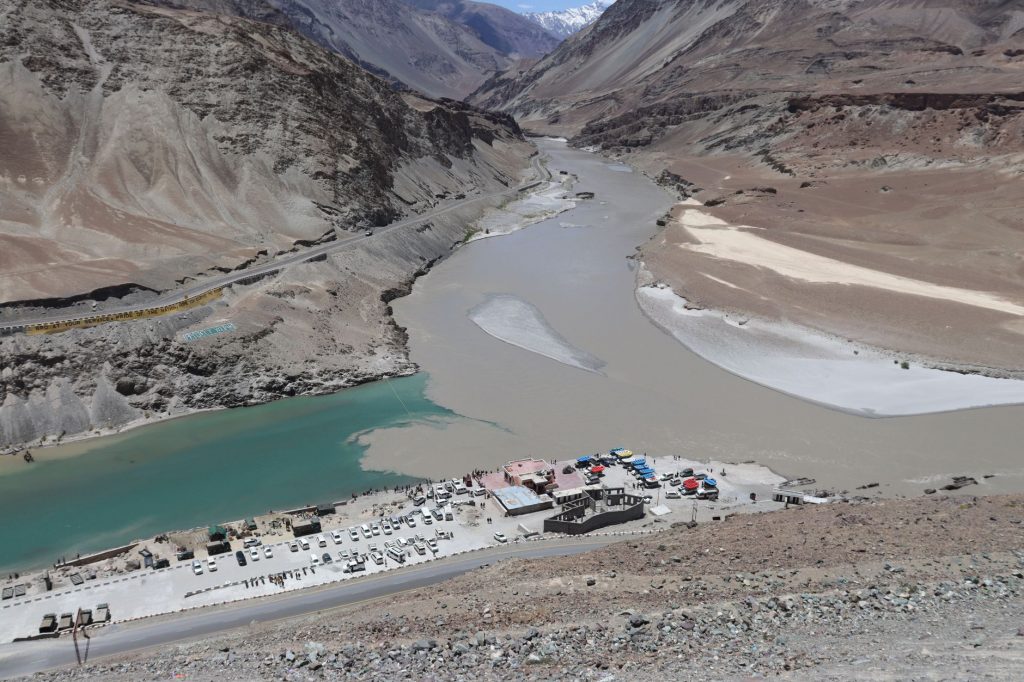
Is the Indus Waters Treaty on the brink of collapse? In a surprising move, the Indian government has called for a complete renegotiation of the 57-year-old pact with Pakistan.
The treaty, signed in 1960, ensures that both countries share the waters of the Indus River and its tributaries. However, tensions have been simmering for years, with India accusing Pakistan of stonewalling talks and refusing to address the concerns of the Indian states of Jammu and Kashmir, Punjab, and Himachal Pradesh.
Why the Need for Renegotiation?
The reasons behind India’s sudden shift in stance are complex and multifaceted. According to sources, the Indian government has been seeking changes to the treaty for several years, but Pakistan has refused to budge. The main bone of contention is the sharing of the waters of the Chenab River, which flows through the disputed region of Jammu and Kashmir.
India’s claims that Pakistan is not adhering to the treaty’s provisions have been repeatedly ignored by the Pakistani authorities. The Indian government believes that the current treaty is no longer tenable and that a new agreement is necessary to address the changing water management needs of both countries.
The Impact on Indian States
The proposed renegotiation of the treaty has significant implications for the Indian states of Jammu and Kashmir, Punjab, and Himachal Pradesh. These states have been at the forefront of the demand for changes to the treaty, citing the need for a more equitable sharing of the river waters.
The Chenab River, which flows through the disputed region of Jammu and Kashmir, is the lifeline of the state’s agriculture sector. The river’s waters are used for irrigation, drinking water, and hydropower generation. However, the Indian government’s claims that Pakistan is not adhering to the treaty’s provisions have resulted in a severe water crisis in the state.
The Indian government’s decision to renegotiate the treaty has been welcomed by the people of Jammu and Kashmir, who see it as a long-overdue step towards resolving the water crisis in the state.
The Way Forward
The road ahead will be challenging, with both countries needing to navigate complex diplomatic and technical issues. India will need to engage with the international community, including the World Bank, which facilitated the original treaty, to ensure a successful renegotiation.
The proposed renegotiation of the treaty also raises questions about the future of the Indus Waters Treaty and its implications for regional water cooperation. Will the new agreement address the concerns of both countries, or will it create new tensions? Only time will tell.
One thing is certain, however, the Indian government’s decision to renegotiate the treaty marks a significant shift in India’s approach to regional water management and sets the stage for a new era of cooperation and competition in the region.
The success of the renegotiation will depend on the willingness of both countries to engage in good faith negotiations and find a mutually acceptable solution. If the talks fail, it could have far-reaching implications for regional water security and global cooperation on water issues.
The proposed renegotiation of the treaty is a clear sign that India is no longer willing to tolerate Pakistan’s intransigence on the issue. It is a bold move that could have significant implications for regional water management and global cooperation on water issues.