
Many Indians are wondering whether the government will increase ethanol blending in petrol beyond the current 20%. So, what’s the latest update on this front?
The government has just clarified that there’s no decision yet on taking ethanol blending beyond 20%. This decision will be taken in due course, but for now, the focus remains on achieving the target of 20% ethanol blending in petrol by 2025. The government has been pushing hard to increase ethanol production and blending in the country, with a target of reducing fossil fuel dependence and promoting sustainable energy.
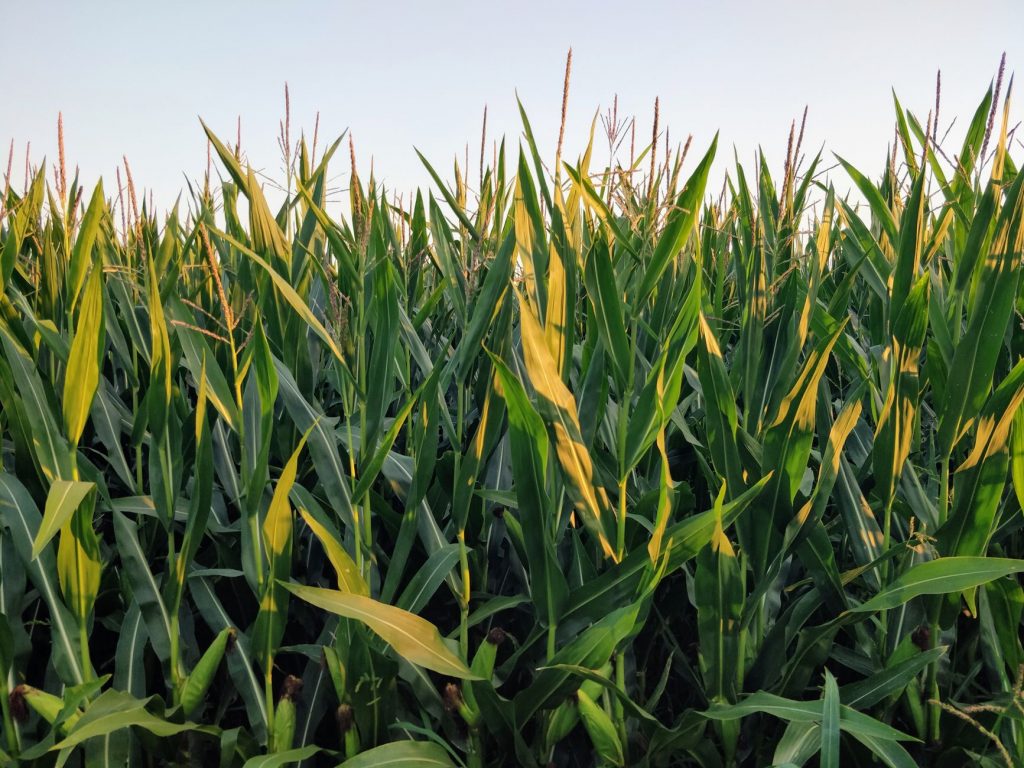
In 2020, the government set a target of 20% ethanol blending in petrol by 2025, which is part of the country’s efforts to reduce greenhouse gas emissions and promote eco-friendly practices. The move is expected to reduce the country’s dependence on fossil fuels and help achieve the goal of reducing carbon emissions by 33-35% by 2030. To achieve this target, the government has been encouraging farmers to grow more sugarcane and other biomass crops, which can be converted into ethanol.
What’s Behind the 20% Target?
The 20% target is based on the country’s current consumption of petrol and diesel. India consumes a massive amount of petrol and diesel, and the government wants to reduce its dependence on imported fossil fuels. By blending ethanol with petrol, the government aims to reduce the amount of fossil fuels used and promote the use of biofuels. This move is expected to not only reduce carbon emissions but also help the country save billions of dollars in foreign exchange that would have been spent on importing fossil fuels.
The government has been working closely with the sugar industry, farmers, and other stakeholders to increase ethanol production and blending in the country. The move has already helped reduce the burden on sugar farmers, who were struggling to sell their produce at low prices. By converting sugarcane into ethanol, farmers can get a better price for their crop, which is expected to boost their income and help them become more financially stable.
However, the government faces several challenges in achieving the 20% target. One of the main challenges is the lack of infrastructure to store and distribute ethanol across the country. The government needs to build more storage facilities and transport ethanol to different parts of the country to ensure that it can be blended with petrol. Additionally, the government needs to ensure that the quality of ethanol is consistent and meets the required standards to avoid any technical issues.
In conclusion, the government’s decision to not increase ethanol blending beyond 20% for now is a significant development in the country’s efforts to promote sustainable energy and reduce fossil fuel dependence. While the 20% target is ambitious, the government’s efforts to increase ethanol production and blending are expected to have a positive impact on the environment and the country’s economy. The government will continue to work closely with stakeholders to achieve the target and explore new opportunities to promote the use of biofuels in the country.
What’s Next for Ethanol Blending?
The government will continue to monitor the progress of ethanol blending and take necessary steps to achieve the 20% target. The government is expected to review the progress of ethanol blending every six months to assess whether the target can be achieved. If the target is not met, the government may consider increasing the blending ratio beyond 20% to achieve the desired results. Additionally, the government may consider exploring new technologies and innovations to improve ethanol production and blending in the country.
For now, the focus remains on achieving the 20% target, and the government is working hard to make it a reality. The move is expected to have a positive impact on the environment, the economy, and the lives of millions of Indians who are dependent on fossil fuels. As the government continues to push for sustainable energy, Indians can expect to see more changes in the way they use energy in the coming years.
So, what’s next for ethanol blending in India? Only time will tell, but one thing is certain – the government is committed to promoting sustainable energy and reducing fossil fuel dependence in the country.
Why Does Ethanol Blending Matter?
Ethanol blending matters because it can help reduce the country’s dependence on fossil fuels and promote sustainable energy. The move is expected to reduce greenhouse gas emissions, improve air quality, and save billions of dollars in foreign exchange that would have been spent on importing fossil fuels. Additionally, ethanol blending can help improve the income of farmers by providing them with a better price for their sugarcane crop. By promoting sustainable energy, the government can create a cleaner, greener, and more prosperous future for Indians.
The impact of ethanol blending on India’s economy and environment cannot be overstated. The move is expected to create new job opportunities, stimulate economic growth, and improve the quality of life for millions of Indians. As the government continues to push for sustainable energy, Indians can expect to see more changes in the way they use energy in the coming years.