
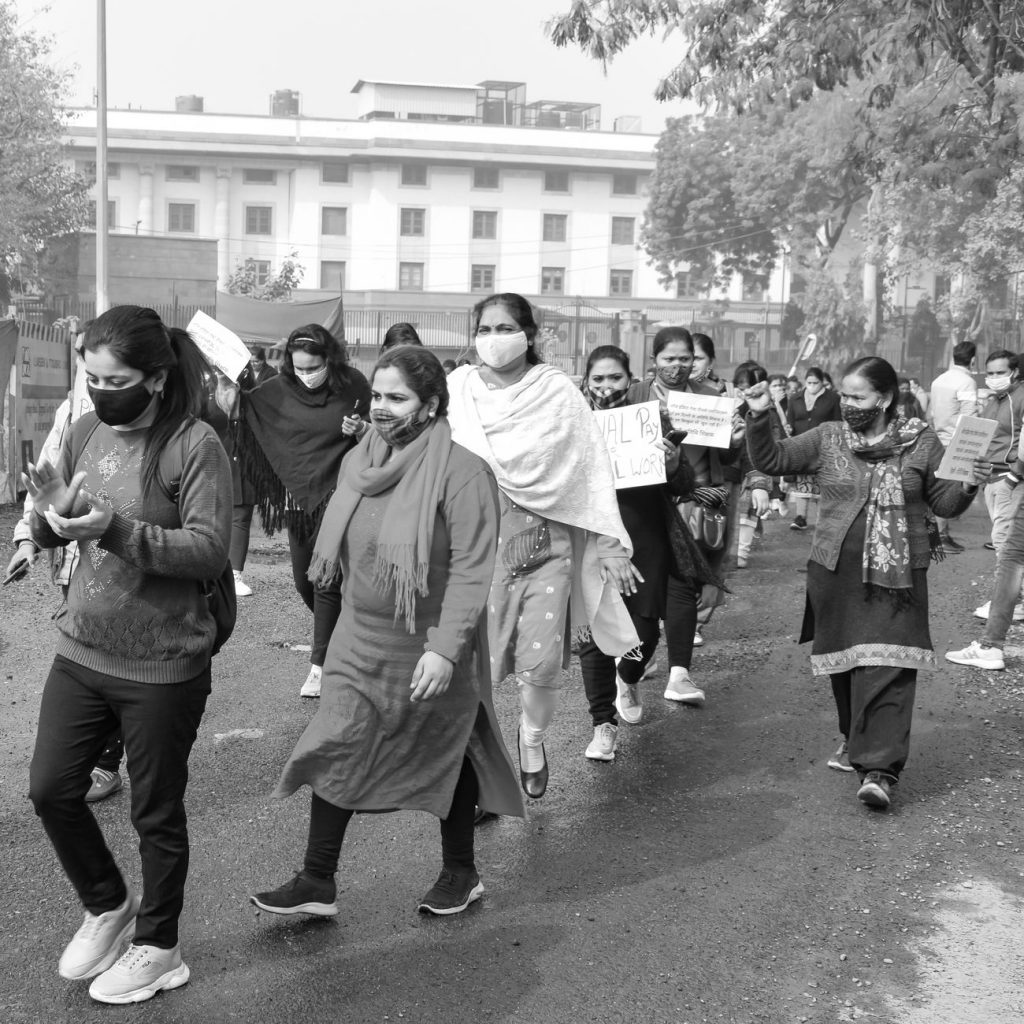
Are the courts turning a blind eye to the plight of protesters in India? This is the question on everyone’s mind after the recent statement by the Chief Justice of India (CJI) regarding a plea against the crackdown on protesters. The CJI has clearly stated that he does not have the time to watch videos related to the plea, sparking a debate about the judiciary’s stance on such matters.
The plea in question pertains to the treatment of protesters who were demonstrating against the Citizenship Amendment Act (CAA) and the National Register of Citizens (NRC). The protesters, who were mostly students and young professionals, were allegedly subjected to police brutality and crackdowns, leading to widespread outrage and condemnation. The plea sought to draw the court’s attention to these incidents and demand action against the responsible authorities.
Understanding the Context
To grasp the significance of the CJI’s statement, it is essential to understand the context in which the plea was filed. The CAA and NRC have been highly controversial issues in India, with many citizens expressing concerns about their potential impact on the country’s secular fabric. The protests against these laws were largely peaceful, but there were instances of violence and vandalism, which were promptly condemned by the authorities and many citizens.
However, the police response to the protests was often heavy-handed, leading to allegations of human rights abuses and excesses. Many protesters were detained, and some were even charged with serious offenses, including sedition. The plea against the crackdown on protesters was an attempt to bring these issues to the court’s notice and seek redressal.
The CJI’s Statement: A Cause for Concern?
The CJI’s statement that he does not have the time to watch videos related to the plea has raised eyebrows and sparked a debate about the judiciary’s commitment to upholding human rights and the rule of law. While it is true that the judiciary is overburdened with cases and has limited time and resources, the CJI’s statement has been perceived as dismissive and insensitive to the concerns of the protesters and the citizens who are affected by such incidents.
Moreover, the CJI’s statement has also raised questions about the judiciary’s willingness to engage with the concerns of citizens and to hold the authorities accountable for their actions. In a democratic society, the judiciary is expected to play a crucial role in protecting the rights of citizens and ensuring that the authorities do not abuse their power. The CJI’s statement has led to concerns that the judiciary may not be taking its responsibilities seriously enough.
What Happens Next?
So, what happens next in this case? The plea against the crackdown on protesters is likely to continue, and the court may eventually hear the matter and pass an order. However, the CJI’s statement has already had an impact on public perception, and it remains to be seen how the judiciary will respond to the concerns that have been raised.
In the meantime, the debate about the judiciary’s role in protecting human rights and upholding the rule of law is likely to continue. Citizens and civil society organizations will need to remain vigilant and ensure that the authorities are held accountable for their actions. The media will also need to play a crucial role in highlighting the concerns of citizens and holding the authorities to account.
Ultimately, the outcome of this case will depend on the judiciary’s willingness to engage with the concerns of citizens and to uphold the principles of justice and equality. If the judiciary fails to do so, it will undermine the trust and confidence that citizens have in the institution, and it will have serious implications for the health of Indian democracy.