
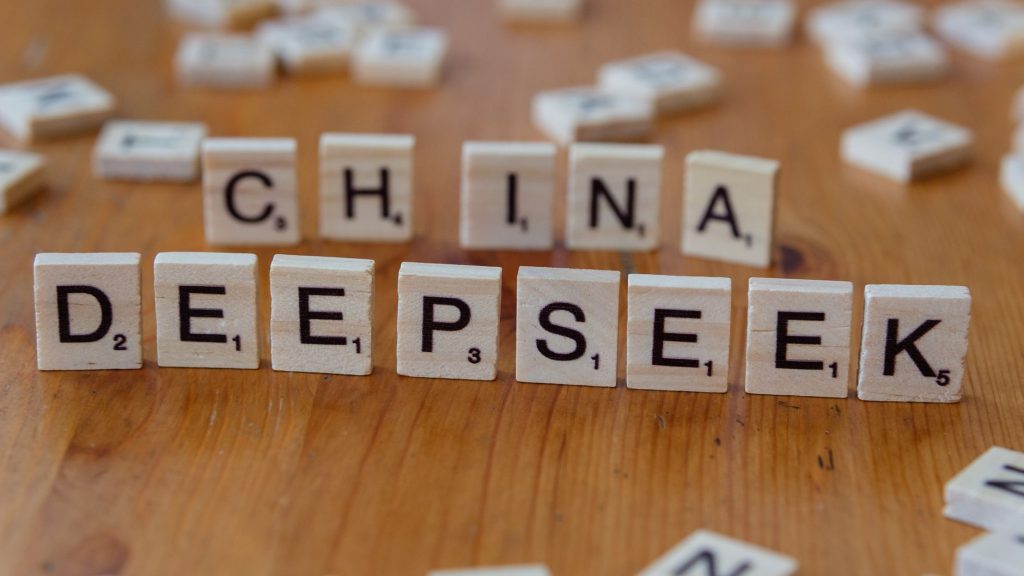
Are Chinese labs poised to challenge Silicon Valley’s dominance in the AI space? The answer is yes, as they are now offering open-source alternatives to restricted models from top players like Anthropic and OpenAI. This shift is significant, and it’s essential to understand the context behind this development.
For years, the United States, particularly Silicon Valley, has been at the forefront of artificial intelligence innovation. Companies like Google, Facebook, and OpenAI have been driving progress in this field, with their models and algorithms becoming the gold standard for the industry. However, as these companies have grown and matured, they have begun to restrict access to their most advanced models, citing concerns over safety, security, and intellectual property.
The Rise of Chinese AI Labs
This is where Chinese labs come into the picture. With the restricted access to top-tier models, Chinese researchers and companies saw an opportunity to fill the gap with their own open-source alternatives. These models, while not as mature as their Silicon Valley counterparts, are increasingly capable and stable. Moreover, they are accessible to anyone, which is a significant advantage for researchers, startups, and companies that cannot afford or access the restricted models.
Chinese labs like Baidu, Tencent, and Alibaba have been investing heavily in AI research and development, and their efforts are now bearing fruit. Their open-source models are gaining traction globally, with many researchers and companies adopting them for various applications. This shift is not only a testament to the growing capabilities of Chinese AI labs but also a reflection of the country’s commitment to becoming a leader in the AI space.
Implications for India and the World
So, what does this mean for India and the rest of the world? The rise of Chinese AI labs and their open-source models has significant implications for the global AI landscape. For Indian researchers and companies, this presents an opportunity to access advanced AI models without the restrictions imposed by Silicon Valley players. This can accelerate innovation and adoption of AI in various sectors, from healthcare and finance to education and transportation.
Moreover, the open-source nature of these models can foster collaboration and community-driven development, which can lead to faster progress and more diverse applications. However, it’s essential to acknowledge the potential risks and challenges associated with open-source AI models, such as security vulnerabilities and biased algorithms. As the use of these models becomes more widespread, it’s crucial to address these concerns and ensure that the benefits of AI are equitably distributed.
What’s Next for AI in India and Beyond
As Chinese AI labs continue to challenge Silicon Valley’s dominance, it’s likely that we will see a more decentralized and diverse AI landscape emerge. This can lead to a proliferation of AI applications and innovations, with various countries and companies contributing to the growth of the field. For India, this presents an opportunity to become a significant player in the global AI space, leveraging its strengths in IT, software development, and research to drive innovation and adoption.
In conclusion, the rise of Chinese AI labs and their open-source models is a significant development that can have far-reaching implications for the global AI landscape. As India and other countries navigate this shifting landscape, it’s essential to prioritize collaboration, community-driven development, and responsible AI practices to ensure that the benefits of AI are equitably distributed and the risks are mitigated.