
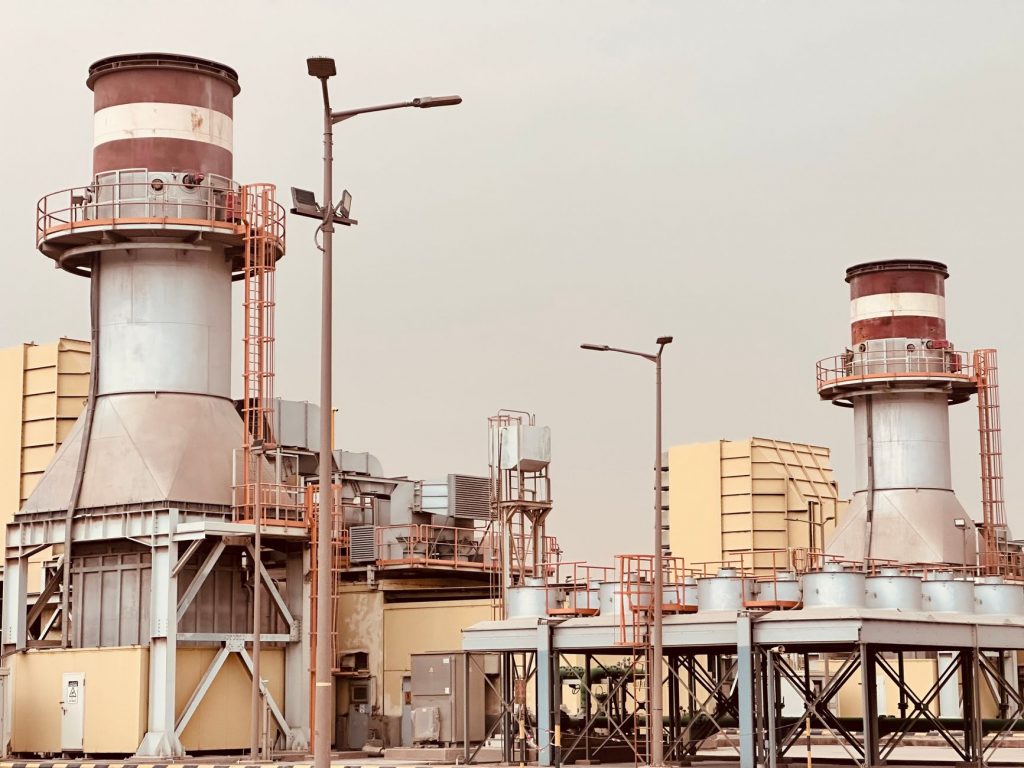
In a move that might surprise many, Saudi Arabia, the undisputed king of crude oil exports, is aggressively venturing into nuclear energy. Yes, you read that right! The nation that powers much of the globe with its black gold is now looking to harness the immense power of the atom.
Why the Nuclear Push?
The logic behind this seemingly contradictory strategy is actually quite clever. By generating electricity from nuclear power, Saudi Arabia can significantly reduce its domestic oil consumption for power generation. This means more of its precious crude can be freed up for export, potentially boosting its global market share and revenue. It’s a smart play to diversify its energy portfolio while simultaneously maximizing its core business.
This isn’t a sudden whim; it’s a meticulously planned part of the Kingdom’s Vision 2030, a sweeping reform plan aimed at reducing its reliance on oil and building a more sustainable future. Nuclear power offers a clean, reliable, and high-capacity energy source that can meet the growing demands of a rapidly developing nation. They’re not just thinking about today, but about powering their future generations cleanly.
Implications for India
For India, a nation with a voracious appetite for energy and a strong focus on renewable and clean energy, Saudi Arabia’s nuclear ambitions carry significant weight. Firstly, it signals a potential shift in long-term energy dynamics. While Saudi Arabia will continue to be a crucial oil supplier, this diversification might eventually lead to more stable oil prices as their domestic demand is met by other sources. Secondly, it opens avenues for collaboration. India has a well-established nuclear energy program and could potentially partner with Saudi Arabia on technology transfer, expertise sharing, and even joint ventures in the nuclear sector. This could be a win-win, strengthening bilateral ties and enhancing energy security for both nations.
Ultimately, Saudi Arabia’s foray into nuclear energy is a bold statement of intent. It highlights a forward-thinking approach to energy security and economic diversification. As India continues its own energy transition, understanding these global shifts is crucial for shaping our own energy policies and forging strategic partnerships that will benefit millions of Indians.