
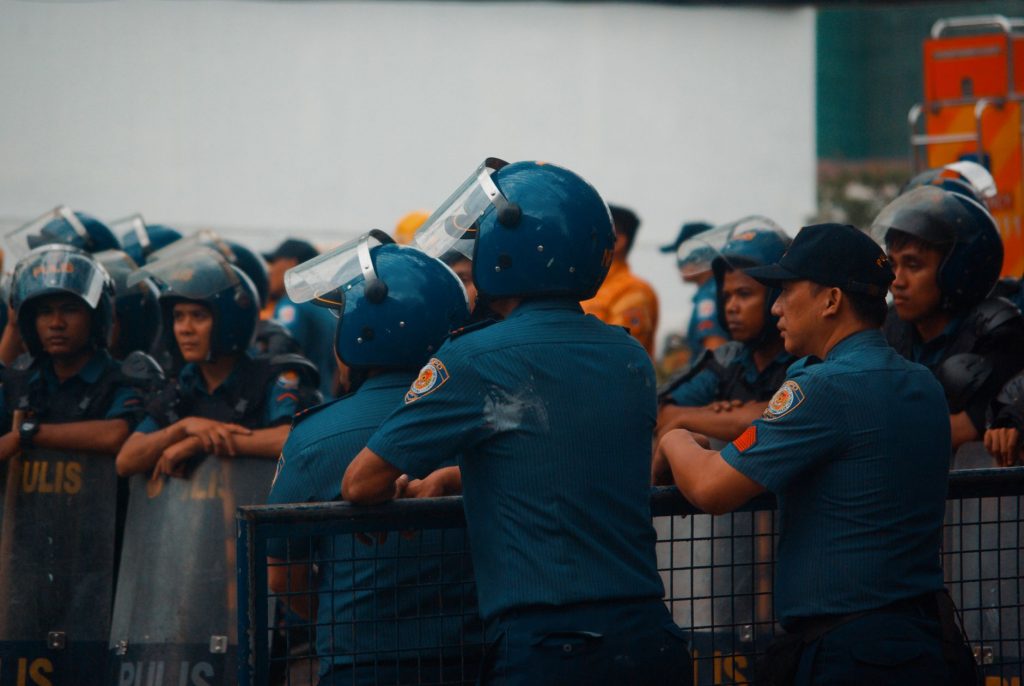
Have you heard about the latest development in the ongoing CJP protests in Delhi? If yes, then you know that the Delhi Police is cracking down on those accused of rioting during the protests. But what does this mean for the accused? Do they stand to lose their passports?
In a bid to prevent the accused from fleeing the country, the Delhi Police has reportedly begun the process of canceling their passports. This move comes after a recent High Court order that directed the police to take necessary steps to prevent the accused from leaving the country.
How Did It All Begin?
The protests by the CJP (Citizens for Justice and Peace) began in response to the Citizenship Amendment Act (CAA) passed by the central government. The protests quickly turned violent, with several instances of rioting reported across the city. The Delhi Police was criticized for its handling of the situation, with many accusing them of being heavy-handed.
As the protests continued, the Delhi Police filed several FIRs against those accused of rioting. The accused were booked under various sections of the Indian Penal Code (IPC), including rioting, arson, and vandalism. The police also seized several properties linked to the accused, including their homes and businesses.
Now, with the High Court order in hand, the Delhi Police is moving to cancel the passports of the accused. The police claim that this is necessary to prevent the accused from fleeing the country and evading justice. However, critics argue that this move is a form of punishment and will only serve to further antagonize the accused.
Why Is This Move Significant?
The move to cancel the passports of the accused is significant because it sets a precedent for the police to take action against those accused of rioting. It also highlights the growing trend of policing in India, where the police are increasingly being seen as a tool of the state rather than a force for justice.
Furthermore, this move raises questions about the due process and the rights of those accused. Critics argue that the police are acting too quickly and without sufficient evidence to support their claims. They also point out that the accused have the right to a fair trial and should not be prejudged before being proven guilty.
In conclusion, the Delhi Police’s move to cancel the passports of the accused is a significant development in the ongoing CJP protests. While the police claim that this is necessary to prevent the accused from fleeing the country, critics argue that it is a form of punishment and will only serve to further antagonize the accused. As the situation unfolds, it remains to be seen how this move will be received by the public and the courts.
What Happens Next?
The next step in this process will be for the accused to file their responses to the police’s notice. They will have to explain why their passports should not be canceled and why they should not be barred from leaving the country. The police will then review these responses and make a decision on whether to proceed with the cancellation of the passports.
Meanwhile, the public is watching with bated breath as the situation unfolds. The CJP protests have already sparked a national debate on issues such as citizenship, nationality, and the rights of minorities. As the police crack down on the accused, it remains to be seen how this will impact the public’s perception of the government and the police.