
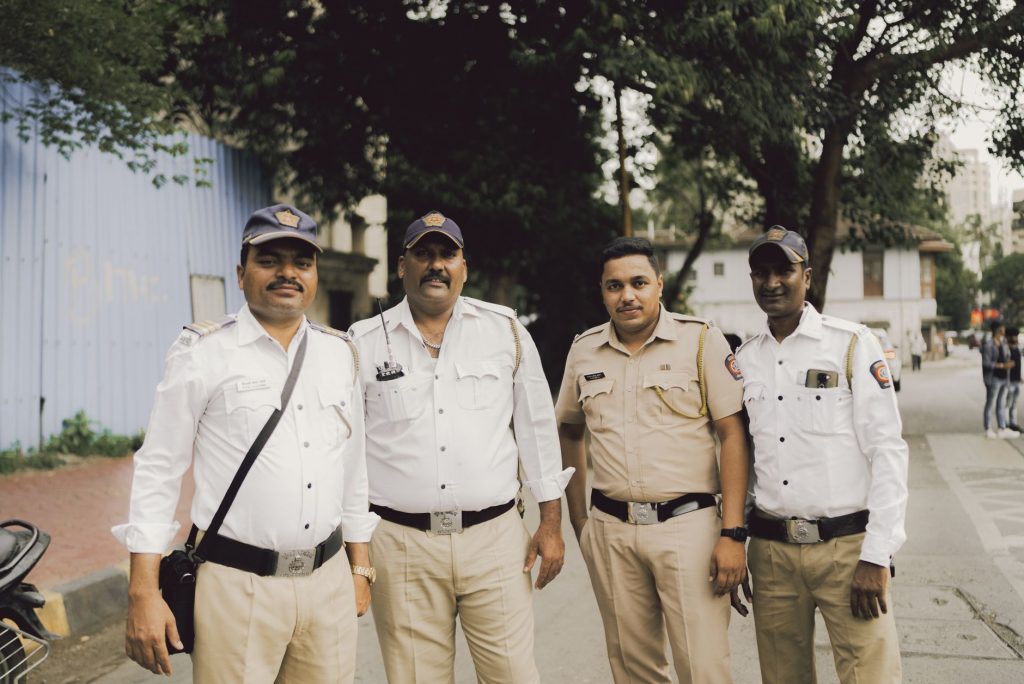
Why is everyone talking about a Mumbai cop’s viral video and what does comedian Varun Grover have to say about it? The internet is buzzing after a video of a Mumbai police constable, interacting with protestors, went viral. Comedian and writer Varun Grover has weighed in on the incident, suggesting it marks a significant shift in how dissent is expressed in India.
The clip, which circulated widely online, reportedly shows the constable engaging in a conversation with individuals protesting. While the exact context of the protest and the full conversation aren’t clear from the viral snippet, Grover’s interpretation has sparked considerable discussion. He believes the constable’s actions, perceived as a moment of empathy or understanding towards the protestors, signify a new chapter in public expression of grievances.
A New Form of Protest?
Varun Grover, known for his sharp observations on Indian society and politics, articulated his thoughts on social media. He suggested that this seemingly small interaction could be a sign of evolving dissent. Instead of outright confrontation or anger, this could represent a more nuanced approach where individuals feel empowered to question authority or express dissatisfaction in ways that invite dialogue, even if brief. He termed it a ‘new era of dissent’.
Beyond Just a Viral Clip
It’s important to understand that Grover isn’t just commenting on a funny or sad video. He’s using this moment to reflect on broader societal trends. In a country where protests and public demonstrations are common, the way people express their discontent is constantly changing. The viral video, in Grover’s view, highlights a potential shift from purely aggressive or confrontational methods to something that might involve more personal connection or a subtle challenge to the status quo. This could be seen as citizens finding new, perhaps less direct, ways to make their voices heard.
This reaction from Varun Grover is significant because he often taps into the pulse of public sentiment. His interpretation of the Mumbai cop video as a marker of a ‘new era of dissent’ invites us to look beyond the immediate viral trend and consider what it might mean for the future of public discourse and activism in India. It raises questions about how citizens and authorities interact, and how dissatisfaction can be communicated in an increasingly connected world.