
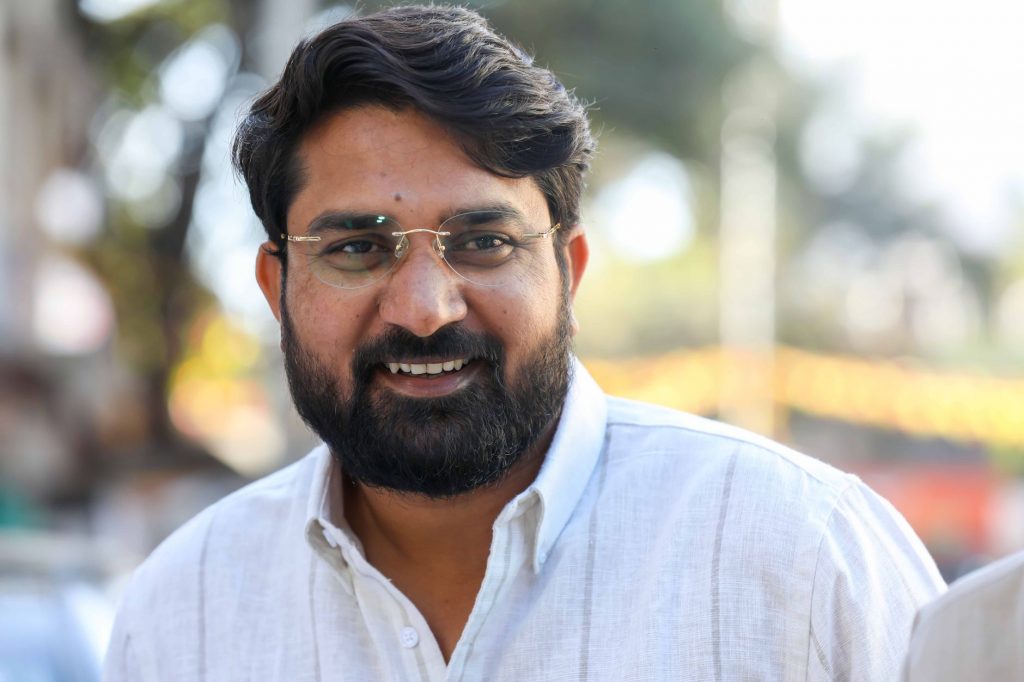
Yesterday, the Centre asked the Supreme Court to give them a day to consider the resignation of Dharmendra Pradhan, the Union Education Minister. However, the Chief Justice of India, Justice DY Chandrachud, firmly rejected this request.
The Centre had sought a one-day time extension citing that the minister’s resignation was a sensitive matter and they needed more time to decide on the next course of action. However, the CJI, in a clear and straightforward manner, rejected this plea and ordered that the resignation be accepted.
What Does This Mean for the Centre?
The Centre’s refusal to accept the resignation has left many in confusion. The decision to seek a one-day extension has raised questions about the Centre’s intentions and whether they are trying to delay the process. The move has also sparked speculations about the reasons behind Pradhan’s resignation and what this might mean for the country’s education sector.
The CJI’s decision to reject the Centre’s request has brought an end to the uncertainty surrounding Pradhan’s resignation. However, this has also raised concerns about the Centre’s ability to take swift and decisive actions in the future. Critics argue that this move reflects a lack of accountability and a tendency to delay decisions even when they are no longer tenable.
The Importance of Accountability in Government
At the heart of this issue is the importance of accountability in government. The Centre’s delay in accepting Pradhan’s resignation highlights the need for transparency and swift decision-making in public office. When government officials are allowed to delay their resignations, it creates a culture of impunity and undermines the trust that citizens have in their elected representatives.
The CJI’s decision to reject the Centre’s request sends a strong message about the need for accountability in government. It highlights the importance of swift and decisive action, even when it is difficult. This decision will have far-reaching implications for the Centre and will set a precedent for future cases.
The Centre’s decision to seek an extension has also raised questions about the role of the judiciary in holding the executive accountable. The CJI’s decision to reject the plea has shown that the judiciary will not hesitate to hold the Centre accountable for their actions. This sends a strong message about the importance of the judiciary in protecting the rights of citizens and ensuring that the government acts in the best interests of the country.
What’s Next for the Centre?
Now that the CJI has rejected the Centre’s request, the next step will be to formally accept Pradhan’s resignation and appoint a new education minister. This process will likely take a few days to complete, but it will bring an end to the uncertainty surrounding Pradhan’s resignation.
The Centre will need to move quickly to appoint a new education minister who can take charge of the education sector. This will be a challenging task, especially given the current state of the sector. The new minister will need to hit the ground running and tackle the many challenges facing the education sector, including the shortage of teachers, the need for modernization of schools, and the ongoing crisis in the NEP.
The Centre’s decision to seek an extension has also raised questions about the future of the education sector. The resignation of Pradhan has created a power vacuum that needs to be filled quickly. The Centre will need to move swiftly to appoint a new education minister who can take charge of the sector and ensure that the country’s education goals are met.