
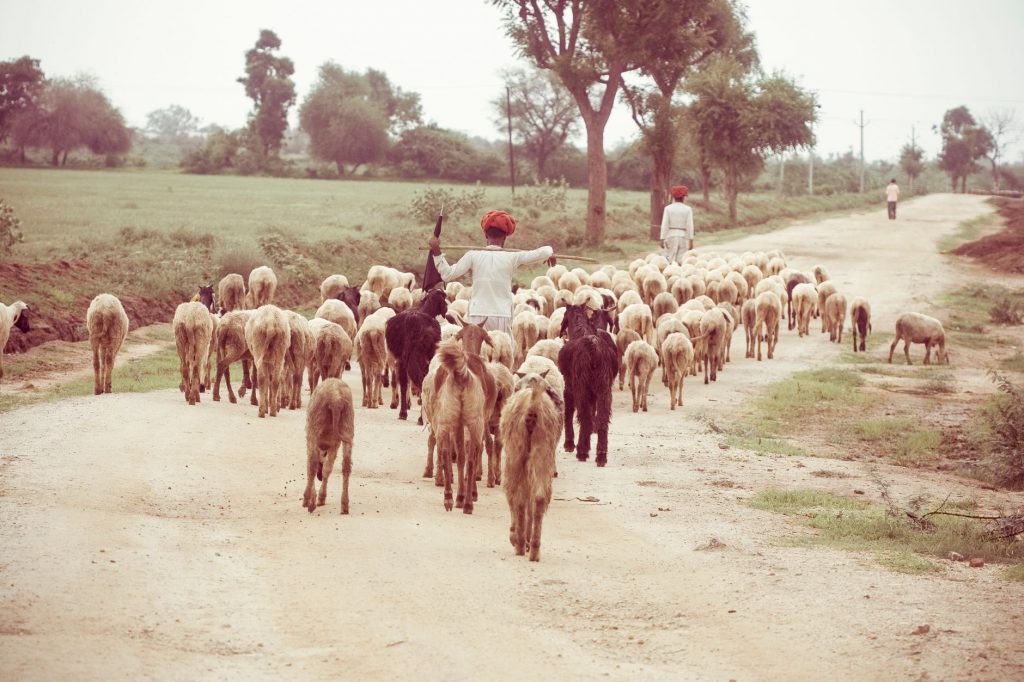
As the sun rises over the arid lands of Rajasthan, farmers in the state are waking up to a new challenge. The Indian government has been making efforts to promote and protect the country’s unique products through Geographical Indications (GI) tags. While this move is intended to boost local economies, it has sparked a heated debate among farmers in Unjha, a small town in Gujarat’s Mehsana district, who are now objecting to the GI tag on their jeera (cumin seeds) and saunf (fennel seeds).
Jeera and saunf have been an integral part of Indian cuisine for centuries, and Unjha is renowned for its high-quality production. The town’s farmers have been growing these crops for generations, and the GI tag was supposed to give them a much-needed boost in the market. However, things have taken a turn for the worse as the farmers now feel that the GI tag is being misused to restrict their freedom to sell their produce to other states.
Farmers’ Concerns
The Unjha farmers are worried that the GI tag will lead to a monopoly in the market, forcing them to sell their produce at a lower price. They claim that the tag is being used to restrict the supply of jeera and saunf to other states, thereby creating a shortage and driving up prices. This, in turn, will benefit a select few who hold the GI tag, leaving the rest of the farmers at a loss.
The farmers are also concerned that the GI tag will make it difficult for them to export their produce to other countries. With the growing demand for Indian spices globally, this could be a significant loss for the Unjha farmers. As one farmer expressed, ‘We don’t want to be restricted by the GI tag. We want to be able to sell our produce to anyone who is willing to buy it.’
The Bigger Picture
While the Unjha farmers’ concerns may seem localized, they are actually part of a larger debate on the impact of GI tags on farmers’ livelihoods. The Indian government has been promoting GI tags as a way to protect and promote the country’s unique products, but the move has been met with resistance from farmers in several states. In Rajasthan, for instance, farmers are objecting to the GI tag on the state’s famous basmati rice, claiming that it will lead to a monopoly and restrict their freedom to sell their produce.
Experts point out that the GI tag is not just about protecting a product’s unique characteristics but also about ensuring that farmers’ livelihoods are not affected. ‘The GI tag is a double-edged sword,’ says Dr. Ramesh Chand, a leading economist. ‘On the one hand, it can promote a product and give farmers a much-needed boost in the market. On the other hand, if it is not implemented properly, it can lead to a monopoly and restrict farmers’ freedom to sell their produce.’
The Unjha farmers’ protest is a wake-up call for the Indian government to re-examine the GI tag policy and ensure that it is implemented in a way that benefits farmers, not just a select few.
As the debate on GI tags continues, one thing is certain – the fate of Unjha’s jeera and saunf hangs in the balance. Will the Indian government listen to the farmers’ concerns and revise the GI tag policy, or will the farmers be left to suffer the consequences? Only time will tell.
What’s Next
The Unjha farmers’ protest is a significant development in the ongoing debate on GI tags in India. The Indian government will have to take a closer look at the policy and ensure that it is implemented in a way that benefits farmers, not just a select few. The farmers’ livelihoods are at stake, and it is up to the government to make the right decision.