
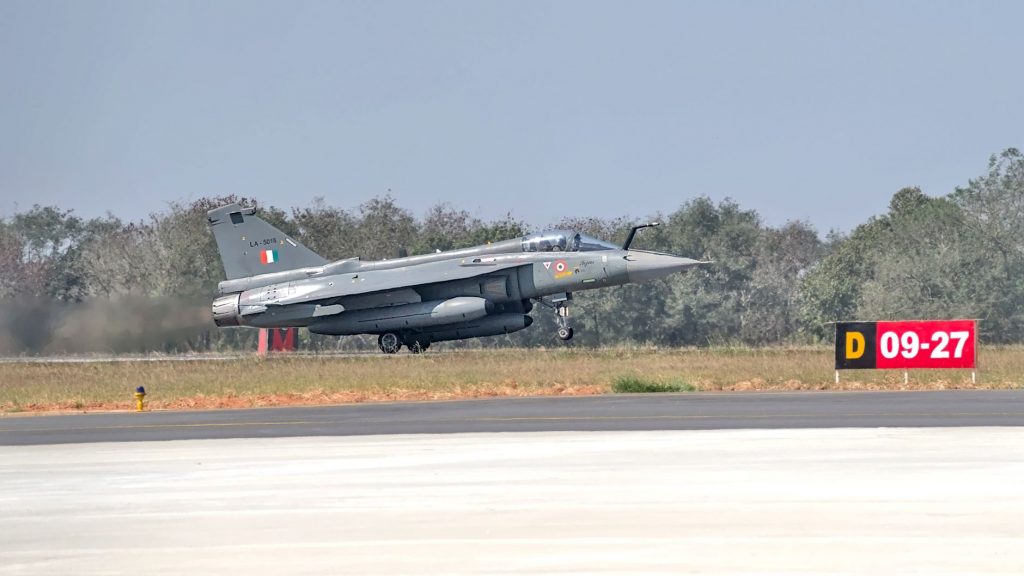
The Indian Ministry of Defence has taken a crucial step towards developing a homegrown, long-range air defence system. The decision marks a significant milestone in the country’s efforts to boost its military capabilities and reduce dependence on foreign technology.
According to sources, the Defence Research and Development Organisation (DRDO) has been working on the project for several years, with the aim of creating a system that can detect and neutralise aerial threats at a range of over 300 km. The project, codenamed ‘Indra’, is expected to play a key role in enhancing the country’s air defence capabilities and protecting its citizens from potential threats.
A Decade-Long Journey to Self-Reliance
The idea of developing a homegrown air defence system dates back to 2013, when the government launched the ‘Make in India’ initiative to promote domestic manufacturing and reduce reliance on foreign imports. Since then, the DRDO has made significant progress in developing advanced technologies, including radar systems, missile defence systems, and electronic warfare capabilities.
However, the development of a long-range air defence system has been a complex and challenging task. The DRDO has had to overcome numerous obstacles, including developing advanced sensors, improving radar capabilities, and testing the system under various weather conditions. Despite these challenges, the organisation has made significant strides in recent years, with several successful trials of the Indra system.
Why This Matters
The development of a homegrown air defence system is crucial for India’s national security. The country’s geography, with its long borders and diverse terrain, makes it vulnerable to aerial threats. A self-reliant air defence system will enable India to protect its citizens and critical infrastructure from potential threats, including enemy aircraft, drones, and ballistic missiles.
Moreover, the development of the Indra system will create new opportunities for the Indian defence industry, including the creation of jobs, stimulating economic growth, and enhancing the country’s technological capabilities. The project will also enable India to export its advanced technology to other countries, further boosting its economic and strategic influence.
The success of the Indra project will also have a significant impact on India’s relations with its neighbours and other major powers. A robust air defence system will enable India to deter potential threats and maintain peace and stability in the region. It will also demonstrate India’s commitment to its military modernisation and self-reliance, sending a strong message to other countries about its capabilities and intentions.
The Road Ahead
While the development of the Indra system is a significant achievement, there are still several challenges ahead. The DRDO will need to continue testing and refining the system to ensure its effectiveness in various scenarios. The government will also need to provide the necessary funding and support to the DRDO to complete the project and deploy the system in various locations across the country.
The success of the Indra project will also depend on the government’s ability to create a conducive environment for the defence industry to thrive. This includes simplifying regulatory procedures, reducing bureaucratic hurdles, and providing necessary incentives to encourage innovation and risk-taking.
With the Indra project, India is one step closer to achieving its goal of becoming a self-reliant military power. The successful development of a homegrown air defence system will have a significant impact on the country’s national security, economic growth, and strategic influence. As India continues to push forward with its military modernisation efforts, the success of the Indra project will serve as a beacon of hope for the country’s defence industry and a testament to its resolve to protect its citizens and interests.