
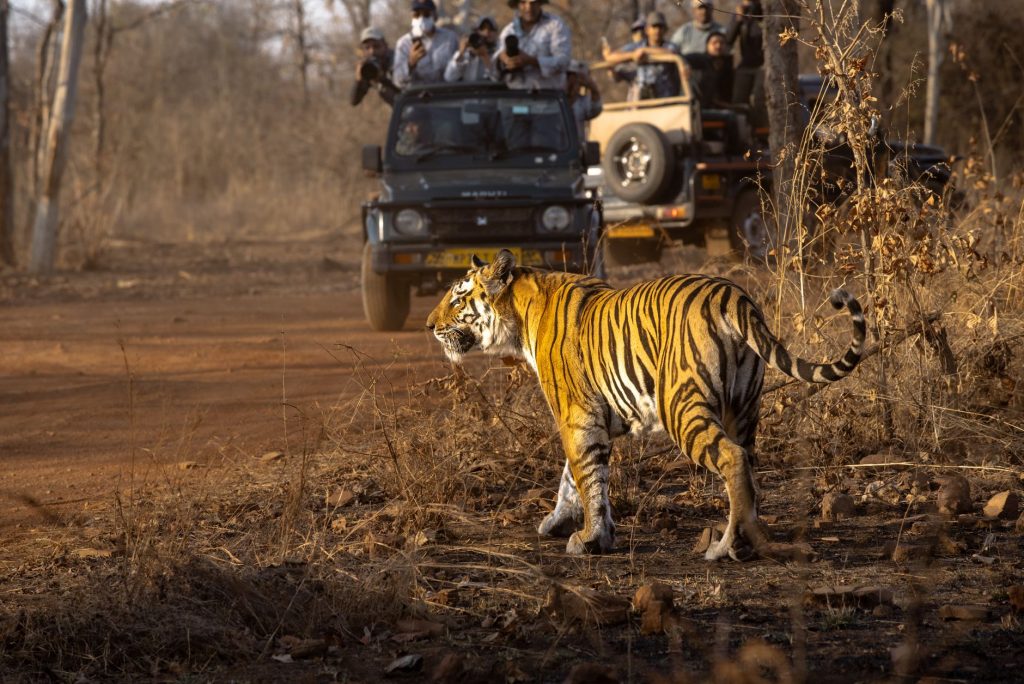
The world today observes International Tiger Day 2026, a celebration that highlights the importance of conservation efforts to protect these majestic creatures. While the international community comes together to mark this occasion, a remarkable fact emerges that puts India at the forefront of global tiger conservation. With nearly 70% of the world’s tiger population found within its borders, India is home to a staggering 3,000 plus tigers.
But how did India manage to achieve such a remarkable feat? The story of India’s tiger conservation success lies in its rich history of protecting its wildlife and natural habitats. Dating back to the times of the British Raj, the Indian subcontinent was one of the first regions to take steps to safeguard its precious wildlife. The establishment of the Indian Board for Wildlife in 1952 marked a significant milestone in this journey, bringing together government agencies, NGOs, and local communities to work towards a common goal.
Tiger Conservation in India: Success Stories and Challenges
India’s tiger conservation efforts have yielded impressive results, with several national parks and wildlife sanctuaries serving as safe havens for these magnificent animals. The Sundarbans in West Bengal, the Kanha National Park in Madhya Pradesh, and the Bandhavgarh National Park in Madhya Pradesh are just a few examples of the many protected areas that have contributed significantly to the country’s tiger population. These protected areas not only provide a secure habitat for tigers but also support a diverse range of flora and fauna, making them crucial for maintaining the delicate balance of nature.
However, despite these successes, India still faces numerous challenges in its tiger conservation efforts. Habitat destruction, poaching, and human-tiger conflict remain major concerns that threaten the very existence of these majestic creatures. The rapidly expanding human population and the resulting demand for natural resources have led to widespread deforestation, leaving tigers with limited space to roam and hunt. Moreover, the increasing number of human-tiger encounters has resulted in the loss of human and animal life, further highlighting the need for effective conservation strategies.
The Way Forward: Community-Led Conservation
So what does the future hold for India’s tigers? The answer lies in community-led conservation, an approach that empowers local communities to take ownership of tiger conservation efforts. By recognizing the intrinsic value of these animals and their habitats, local communities can play a critical role in protecting them. India’s experience with community-led conservation in the Sundarbans, where local fishermen have come together to monitor and protect tiger habitats, serves as a model for other regions to follow.
As the world observes International Tiger Day 2026, India stands out as a shining example of what can be achieved through collective efforts. By building on its past successes and addressing the challenges that lie ahead, India can continue to be a leader in global tiger conservation. The country’s commitment to protecting its wildlife and natural habitats not only benefits the tigers but also provides a valuable lesson for other nations to follow.
As we celebrate International Tiger Day, we are reminded of the importance of preserving these magnificent creatures for future generations. By supporting conservation efforts and making conscious choices in our daily lives, we can contribute to the protection of India’s tigers and the rich biodiversity that they represent.
With its rich history of conservation efforts and its commitment to community-led conservation, India is poised to continue its leadership role in global tiger conservation. As we look to the future, one thing is certain – the fight to protect India’s tigers will require the collective efforts of governments, NGOs, local communities, and individuals. Together, we can ensure that these majestic creatures continue to thrive in their natural habitats.