
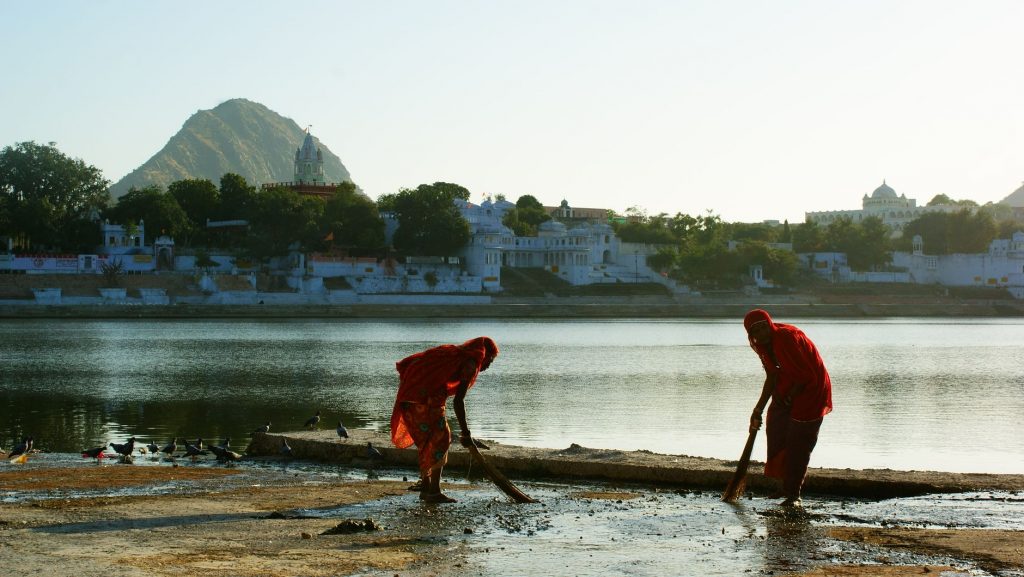
Imagine taking a leisurely drive through Rajasthan’s picturesque landscapes, capturing breathtaking views of the desert’s rust-red hues and majestic forts. For many Indians, these images evoke a sense of national pride and nostalgia. But beneath the surface, a growing concern has emerged regarding the environmental impact of tourism in Rajasthan.
Ecological Concerns in Rajasthan’s Tourism Hotspots
The Indian state of Rajasthan has long been a favourite among tourists, with its rich cultural heritage, vibrant cities, and stunning natural beauty. The region’s popularity has led to a surge in tourism, with millions of visitors flocking to iconic destinations such as Jaisalmer, Jodhpur, and Udaipur each year.
However, the influx of tourists has also raised concerns about the region’s fragile ecosystem. The increased demand for accommodations, food, and other services has put a strain on local resources, leading to issues such as pollution, water scarcity, and soil degradation. The construction of new hotels, resorts, and infrastructure projects has also led to the destruction of natural habitats and the displacement of local communities.
Experts warn that the environmental consequences of unchecked tourism in Rajasthan could be devastating. ‘Rajasthan’s unique ecosystem is under threat due to the growing number of tourists,’ says Dr. Sunita Narain, Director-General of the Centre for Science and Environment. ‘We need to adopt sustainable tourism practices that balance the needs of visitors with the needs of the environment.’
Sustainable Tourism: A Solution for Rajasthan?
Sustainable tourism is being touted as a potential solution to the environmental challenges facing Rajasthan. This approach prioritizes the well-being of local communities and the environment while still catering to the needs of tourists.
Some hotels and resorts in Rajasthan have already begun to adopt sustainable practices, such as using renewable energy sources, reducing waste, and promoting eco-friendly activities. Tour operators are also offering environmentally responsible tour packages that focus on cultural experiences and responsible wildlife viewing.
However, more needs to be done to ensure that sustainable tourism becomes the norm in Rajasthan. The state government, local authorities, and stakeholders must work together to develop and implement policies that promote environmentally responsible tourism.
‘Sustainable tourism is not just about preserving the environment; it’s also about preserving Rajasthan’s unique cultural heritage,’ says Dr. Narain. ‘By adopting sustainable practices, we can ensure that Rajasthan remains a popular destination for tourists while also protecting the region’s natural beauty.’
What’s Next for Rajasthan’s Tourism Industry?
The Rajasthan government has acknowledged the need for sustainable tourism practices and has launched initiatives to promote eco-friendly tourism. The state’s tourism department has also partnered with local stakeholders to develop sustainable tourism guidelines and best practices.
However, the success of these initiatives will depend on the cooperation of local communities, hotels, and tour operators. It’s essential that all stakeholders work together to adopt sustainable practices and promote environmentally responsible tourism in Rajasthan.
The future of Rajasthan’s tourism industry hangs in the balance. Will the state be able to strike a balance between economic growth and environmental protection, or will the pressure of mass tourism prove too great to withstand? Only time will tell.