
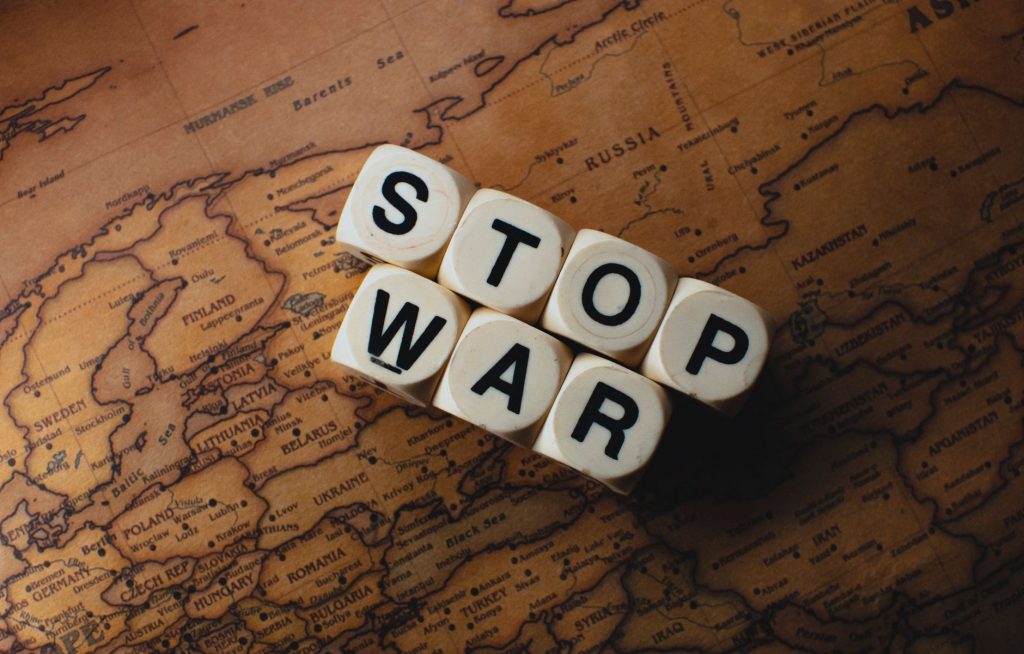
A stark warning has been issued about the escalating global tensions, suggesting that current geopolitical conflicts possess the terrifying potential to engulf the entire world. This isn’t just about regional disputes anymore; the interconnectedness of nations and the proliferation of advanced weaponry mean that localized wars could rapidly spiral into a catastrophic, planet-wide conflagration.
The gravity of this situation cannot be overstated. We are witnessing a dangerous confluence of factors: renewed great power competition, the resurgence of old rivalries, and the increasing willingness of nations to deploy military might. The ripple effects of any large-scale conflict would be devastating, impacting global supply chains, triggering economic collapse, and leading to unimaginable human suffering. For India, a nation deeply integrated into the global economy and with significant strategic interests, such a scenario would be profoundly destabilizing, threatening our hard-won progress and security.
The Domino Effect of War
The core of the concern lies in the inherent unpredictability of modern warfare. Once unleashed, conflicts can quickly transcend their initial boundaries, drawing in allies and adversaries alike. The development of nuclear arsenals adds an existential layer to this threat, where even a limited exchange could have catastrophic global consequences. The current geopolitical landscape, characterized by mistrust and a lack of robust diplomatic channels, makes de-escalation an increasingly challenging prospect. This is precisely why such warnings, though alarming, demand our serious attention.
India’s Stake in Global Peace
The implications for India are multifaceted. Our economic stability is intrinsically linked to global trade and peace. A worldwide conflict would disrupt vital import and export routes, inflate commodity prices, and potentially lead to widespread unrest. Furthermore, India’s own neighborhood is already a complex strategic environment. Any major global upheaval could exacerbate existing tensions and create new security challenges. Therefore, maintaining global peace isn’t just an abstract ideal; it is a direct imperative for India’s continued development and the well-being of its citizens.
The path forward requires a renewed commitment to diplomacy, de-escalation, and international cooperation. While the current outlook is grim, the potential for catastrophe must serve as a powerful catalyst for leaders worldwide to prioritize dialogue over confrontation. For India, this means actively engaging in multilateral forums, advocating for peaceful resolutions, and bolstering our own resilience to navigate any potential global storms.