
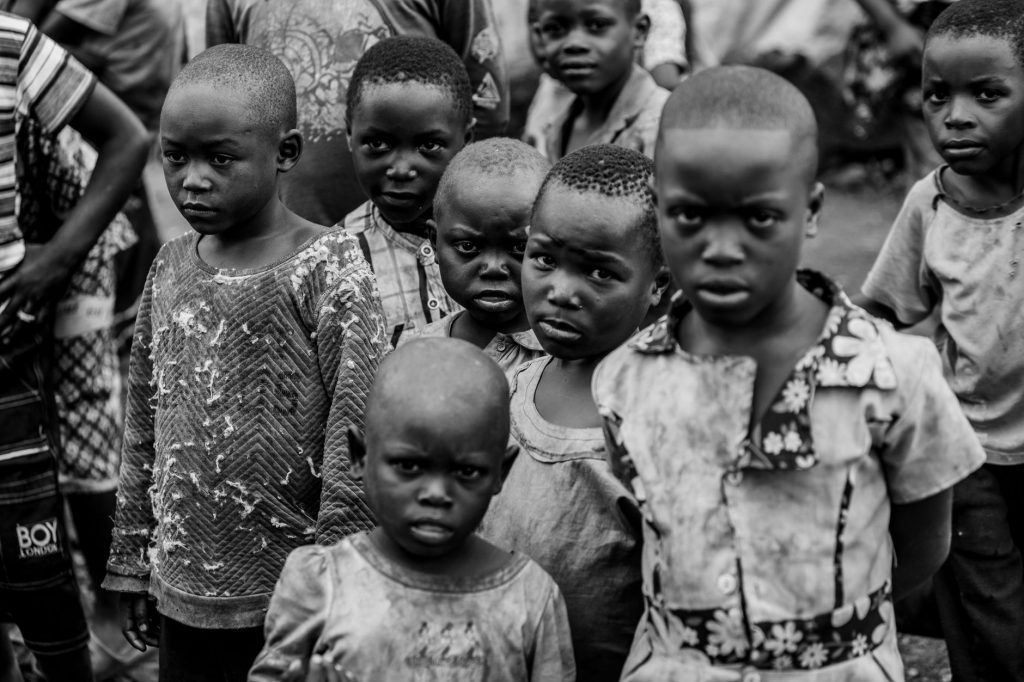
Is the Ebola outbreak in the Democratic Republic of Congo (DRC) now the second worst in history? Yes, tragically, it is. The ongoing epidemic in the DRC has now surpassed the 2014-2016 West Africa outbreak in terms of total cases, marking a grim milestone in global health history.
A Growing Crisis
The latest figures show the DRC’s current Ebola epidemic, which began in August 2018, has now recorded more cases than the devastating West African outbreak. While the West Africa outbreak was more deadly in terms of its fatality rate, the sheer number of infections in the DRC has now made it the second-largest on record. This persistent outbreak continues to challenge containment efforts, with health workers battling not only the virus but also insecurity and mistrust in affected communities.
Challenges on the Ground
The situation in eastern DRC is particularly complex. The region has been plagued by armed groups for years, making it incredibly difficult for medical teams to access remote areas and deliver essential aid. Reaching those infected, tracing their contacts, and administering life-saving treatments are constant struggles. Furthermore, misinformation and fear have sometimes led to resistance from local populations, hindering vaccination campaigns and public health initiatives.
Global Implications and Next Steps
This escalating crisis in the DRC highlights the ongoing threat of Ebola and the need for sustained international support. While significant progress has been made in developing vaccines and treatments, the complex socio-political landscape in the DRC means the fight is far from over. Continued investment in healthcare infrastructure, community engagement, and security is crucial to finally bringing this epidemic under control and preventing future outbreaks from reaching such devastating proportions. For India, it’s a stark reminder of the interconnectedness of global health and the importance of preparedness.