
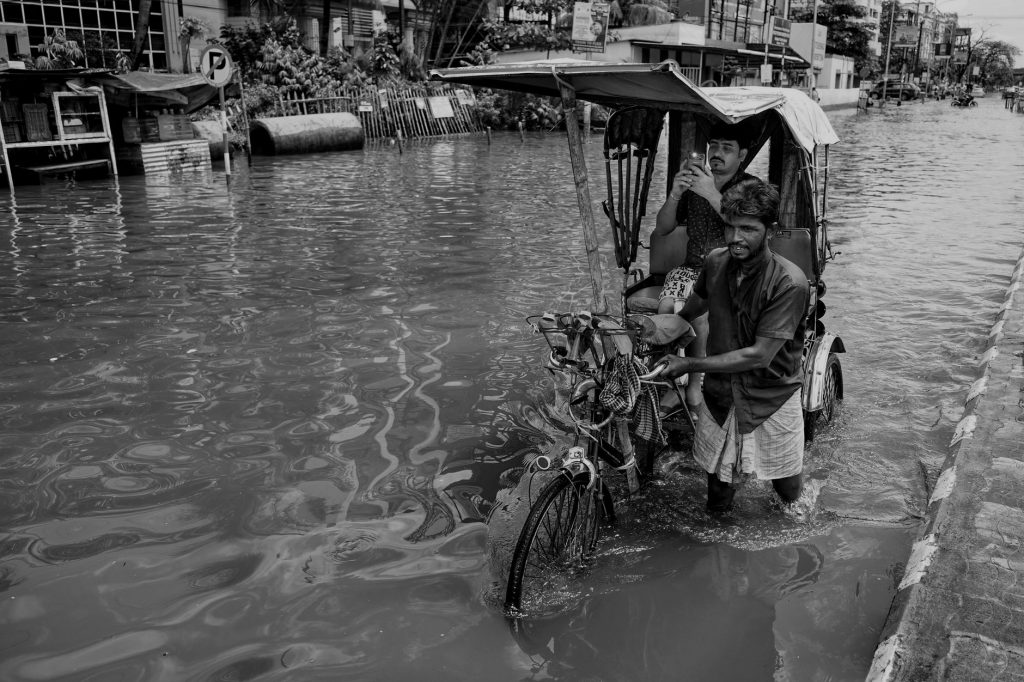
Imagine waking up to the sound of relentless raindrops on your roof, the winds howling outside, and the thought of another day stuck indoors. This is the reality for millions of people in Kerala right now. The state is bracing for the worst as heavy rainfall continues to batter the region, leaving a trail of destruction in its wake.
Kerala Chief Minister Pinarayi Vijayan has called an emergency meeting to discuss the situation and the measures to mitigate the damage. The meeting is likely to be attended by top officials from the state government, defence personnel, and other stakeholders. The CM’s decision to call an emergency meet is a clear indication of the gravity of the situation.
Heavy Rainfall Brings Life to a Standstill
The heavy rainfall has brought life to a standstill in Kerala. The state’s roads, bridges, and buildings are struggling to cope with the deluge. Many areas are waterlogged, and the situation is exacerbated by the fact that the rivers are already swollen due to the monsoon rains. The authorities have been working tirelessly to clear the debris and restore connectivity, but it’s a daunting task.
The Indian Meteorological Department (IMD) has issued a red alert for several districts in Kerala, warning of extremely heavy rainfall and flash floods. The IMD has also forecasted that the rain will continue for the next 24 hours, making it a challenging task for the authorities to contain the situation.
The state government has set up relief camps for those affected by the floods. The camps are equipped with food, water, and medical facilities, and the authorities are working to ensure that everyone’s needs are met. However, the situation is dire, and the government is seeking help from the Centre to cope with the disaster.
Why Kerala is Vulnerable to Floods
Kerala is one of the most flood-prone states in India. The state’s geography, with its vast coastline and numerous rivers, makes it vulnerable to floods. The state’s monsoon rains, which are essential for the agricultural sector, also bring with them heavy rainfall and strong winds.
The state government has been investing heavily in flood-control measures, but the situation remains precarious. The government has built numerous dams and canals to control the flow of water, but the dams are often full to capacity, and the canals are unable to handle the excess water. The situation is further complicated by deforestation, which has led to soil erosion and made the rivers more prone to flooding.
The Kerala government has also been working on a new flood-control policy, which aims to mitigate the impact of floods by building more robust infrastructure and implementing sustainable practices. However, the policy is still in its infancy, and it will take time to see its impact.
What’s Next for Kerala?
The situation in Kerala is dire, and the state government is seeking help from the Centre to cope with the disaster. The Centre has promised to provide all necessary assistance, including military personnel and equipment, to help the state deal with the crisis.
The authorities are working around the clock to contain the situation, but it’s a daunting task. The state government has appealed to the people to stay indoors and avoid travel unless absolutely necessary. The authorities are also working to clear the debris and restore connectivity, but it’s a slow process.
The Kerala government has also announced a relief package for those affected by the floods. The package includes financial assistance, food, and shelter for those who have lost their homes or livelihoods. The government has also set up a helpline for people to report their concerns and seek help.
The situation in Kerala is a grim reminder of the importance of disaster preparedness and climate resilience. The state government’s efforts to mitigate the impact of floods are commendable, but more needs to be done to ensure that the state is better equipped to deal with such disasters in the future.