
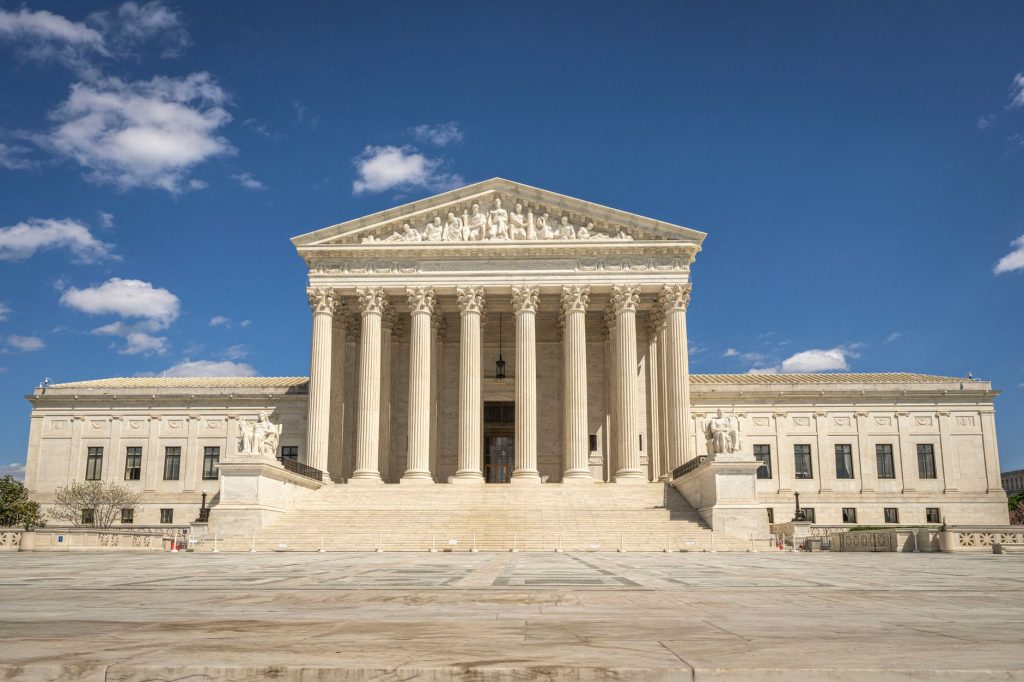
In a landmark decision, the Supreme Court of India has ruled that states must withdraw cases against students who have been accused of minor offenses, allowing them to focus on their education without the constant fear of court proceedings.
The judgment, which has been welcomed by education experts and parents, is a significant step towards ensuring that students are not burdened with the weight of court cases, which can have a negative impact on their mental and emotional well-being.
According to sources, the Supreme Court’s decision is a response to the growing number of cases against students who have been accused of minor offenses such as vandalism, theft, or other petty crimes. The court has directed states to withdraw such cases and allow students to continue their studies without any interruptions.
The court’s decision is likely to have a significant impact on the education sector, particularly in states where students are often subjected to harsh punishments for minor offenses. The ruling is expected to reduce the number of cases against students and promote a more supportive and inclusive environment in schools.
Background: The Problem of Student Cases
The issue of student cases has been a long-standing concern in India, with many students being accused of minor offenses and facing court proceedings. This has led to a situation where students are often forced to drop out of school or take time off from their studies to attend court hearings. The result is that many students are unable to complete their education, which can have a negative impact on their future prospects.
Education experts have long argued that students should not be subjected to harsh punishments for minor offenses, and that they should be given the opportunity to continue their studies without interruption. The Supreme Court’s decision is seen as a major victory for these experts and for the rights of students in India.
The Impact of the Ruling
The Supreme Court’s ruling is expected to have a significant impact on the education sector in India. By withdrawing cases against students, states can create a more supportive and inclusive environment in schools, where students feel free to focus on their studies without fear of court proceedings.
The ruling is also likely to reduce the number of cases against students, which can help to alleviate the burden on the court system. This can also help to reduce the financial costs associated with prosecuting minor cases, which can be a significant burden on public resources.
Moreover, the ruling is expected to promote a more nuanced understanding of student behavior, recognizing that many students who are accused of minor offenses are simply in need of guidance and support rather than harsh punishment. This can help to create a more positive and supportive environment in schools, where students feel valued and respected.
What This Means for Indians
The Supreme Court’s ruling is a significant victory for students and parents in India, who have long argued for a more supportive and inclusive education system. The decision is a recognition of the importance of education in shaping the future of India, and a commitment to creating a more supportive and inclusive environment for all students.
The ruling is also a reminder that education is a fundamental right in India, and that students should be given the opportunity to focus on their studies without fear of court proceedings. By withdrawing cases against students, states can help to promote a more positive and supportive environment in schools, where students feel valued and respected.
As India continues to grow and develop, the education sector will play an increasingly important role in shaping the country’s future. The Supreme Court’s ruling is a significant step towards creating a more supportive and inclusive education system, where students can focus on their studies without interruption or fear.