
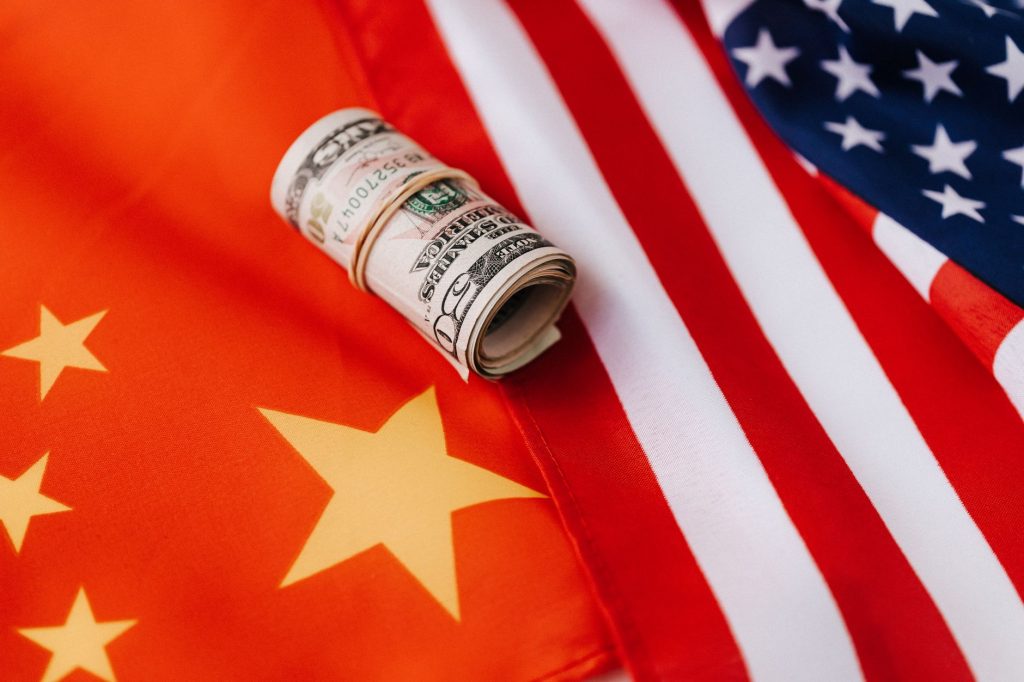
Are US President Donald Trump’s new tariffs on 60 countries, including India, the right move?
A resounding no, according to 25 US states that have come together to sue the Trump administration over the recent tariff hike. The states argue that the tariffs will harm their economies, particularly those that rely heavily on imports from the affected countries.
Tariffs: The Unintended Consequences
The Trump administration has imposed a 10% tariff on imports from 60 countries, including India, as part of its ongoing trade war with various nations. The move is aimed at reducing the US trade deficit, but critics argue that it will ultimately lead to higher prices for American consumers and stifle economic growth.
The 25 states that have joined the lawsuit, led by New York, Washington, and California, claim that the tariffs will have a devastating impact on their economies. They point out that many of the affected countries are major trading partners of the US, and that the tariffs will lead to higher costs for consumers and businesses alike.
For instance, the lawsuit highlights the case of the US auto industry, which relies heavily on imports from countries such as Japan and South Korea. The tariffs will make it more expensive for American car manufacturers to import parts and components, thereby increasing the cost of production and ultimately passed on to consumers.
A Global Trade War Unfolds
The Trump administration has been engaged in a trade war with various countries, including China, the European Union, and India, for several years now. The tariffs on 60 countries are just the latest escalation in this ongoing conflict.
The lawsuit comes at a time when the global economy is already facing significant challenges, including a slowdown in economic growth and rising trade tensions. The Trump administration’s trade policies have been widely criticized by economists and trade experts, who argue that they will ultimately lead to higher prices, job losses, and reduced economic growth.
Meanwhile, the 25 states that have joined the lawsuit are seeking a court order to block the tariffs, arguing that they are unconstitutional and will harm their economies. The lawsuit is likely to be closely watched by policymakers and trade experts, who will be keenly interested in the outcome.
The implications of the lawsuit are far-reaching, with potential consequences for the global economy. If the court rules in favor of the states, it could lead to a significant shift in US trade policy, with the Trump administration being forced to reconsider its tariffs.
However, if the court rules against the states, it could embolden the Trump administration to impose even more tariffs, leading to a further escalation of the global trade war.
What’s at Stake?
The lawsuit highlights the significant stakes involved in the US-China trade war and the impact of US trade policies on the global economy. The outcome of the lawsuit will have far-reaching consequences for American businesses, consumers, and the global economy as a whole.
The Trump administration’s trade policies have been widely criticized by economists and trade experts, who argue that they will ultimately lead to higher prices, job losses, and reduced economic growth. The lawsuit is a rare instance of states pushing back against the Trump administration’s trade policies, and it highlights the deep divisions within the US over trade.
The lawsuit also raises important questions about the role of the judiciary in shaping US trade policy. If the court rules in favor of the states, it could lead to a significant shift in the balance of power between the executive and legislative branches of government.
In conclusion, the lawsuit by 25 US states to block Trump’s new tariffs on 60 countries, including India, is a significant development in the ongoing US-China trade war. The outcome of the lawsuit will have far-reaching consequences for American businesses, consumers, and the global economy as a whole.