
Are Pakistan’s woes in Kashmir finally starting to boil over?
A wave of protests in the disputed region has sparked fears of a fresh crisis on Islamabad’s hands.
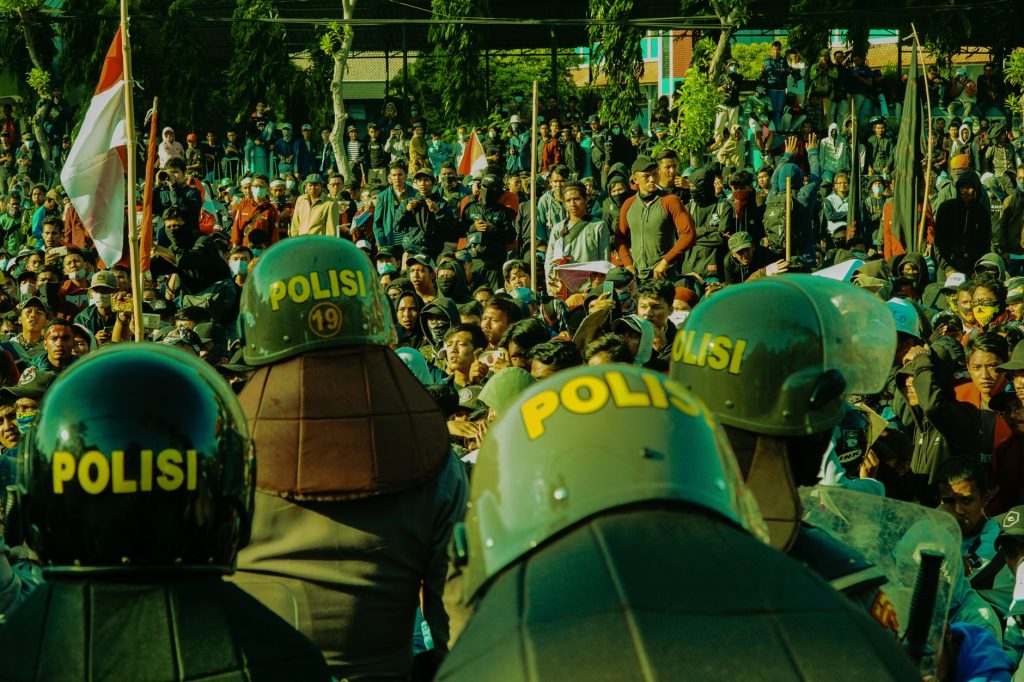
The unrest has been brewing for months, with thousands of protesters taking to the streets in recent weeks, demanding greater autonomy and an end to the country’s military rule in the region.
At the heart of the protests is a deep-seated resentment among the local population, who feel marginalised and disenfranchised by a system that has long been dominated by Pakistan’s central government.
The protests have been sparked by a recent decision to appoint a new governor, who is seen as a representative of the country’s ruling elite, rather than a local leader.
The move has been widely seen as an attempt to undermine the region’s autonomy, and has been met with widespread anger and resentment.
A History of Conflict
The Kashmir dispute has its roots in the partition of India and Pakistan in 1947, when the region was left divided between the two countries.
Since then, there have been numerous outbreaks of violence, including a brutal insurgency in the 1990s that left thousands dead.
In recent years, the situation has remained tense, with periodic outbreaks of violence and protests.
However, the current unrest is seen as the most serious challenge to Islamabad’s authority in the region in years.
The protests have been led by a coalition of local politicians, activists and students, who are demanding greater autonomy and an end to the country’s military rule in the region.
They are also calling for the resignation of the newly appointed governor, who they see as a symbol of the country’s central government.
The situation has been further complicated by the presence of radical Islamist groups, who have been accused of inciting violence and destabilising the region.
The groups, which include the banned Jamaat-ud-Dawa, have been accused of providing financial and military support to the protesters, and have been blamed for a number of violent attacks on security forces.
The Pakistan government has responded to the unrest by deploying troops to the region, and imposing a curfew in several areas.
However, the move has been widely seen as heavy-handed, and has only served to fuel the protests and deepen the sense of resentment among the local population.
As the situation continues to deteriorate, there are fears that the unrest could spread to other parts of the country, and even beyond the region’s borders.
The international community is watching the situation closely, with several countries calling for restraint and a peaceful resolution to the crisis.
The United Nations has also called for an end to the violence, and for the Pakistan government to engage in talks with the protesters.
However, the situation remains fragile, and it is unclear how the crisis will be resolved.
One thing is certain, however: the unrest in Kashmir is a stark reminder of the deep-seated tensions that continue to divide Pakistan and India, and the need for a lasting solution to the long-standing dispute.
What’s at Stake?
The unrest in Kashmir is not just a regional issue, but has broader implications for Pakistan’s stability and security.
If the situation continues to deteriorate, there are fears that it could lead to a wider conflict, and even destabilise the entire region.
The impact on Pakistan’s economy and politics would be significant, and could have far-reaching consequences for the country’s future.
For India, the unrest is a reminder of the ongoing dispute over Kashmir, and the need for a lasting solution to the issue.
The situation is also a setback for Pakistan’s efforts to normalise relations with its neighbour.
The unrest is also a test of Pakistan’s democratic institutions, and its ability to respond to the crisis in a peaceful and constructive manner.
The situation in Kashmir is a complex and sensitive one, and requires a nuanced and multifaceted approach to resolve.
What’s Next?
The Pakistan government has announced plans to hold talks with the protesters, and to address their demands for greater autonomy and an end to the country’s military rule in the region.
However, the success of the talks is far from guaranteed, and there are fears that the crisis could escalate further in the coming days and weeks.
The international community will be watching the situation closely, and will be looking for a peaceful and constructive resolution to the crisis.
The situation in Kashmir is a reminder of the ongoing tensions between Pakistan and India, and the need for a lasting solution to the dispute.
The unrest is a test of Pakistan’s democratic institutions, and its ability to respond to the crisis in a peaceful and constructive manner.
The situation in Kashmir is a complex and sensitive one, and requires a nuanced and multifaceted approach to resolve.
As the situation continues to unfold, one thing is certain: the unrest in Kashmir is a stark reminder of the deep-seated tensions that continue to divide Pakistan and India, and the need for a lasting solution to the long-standing dispute.