
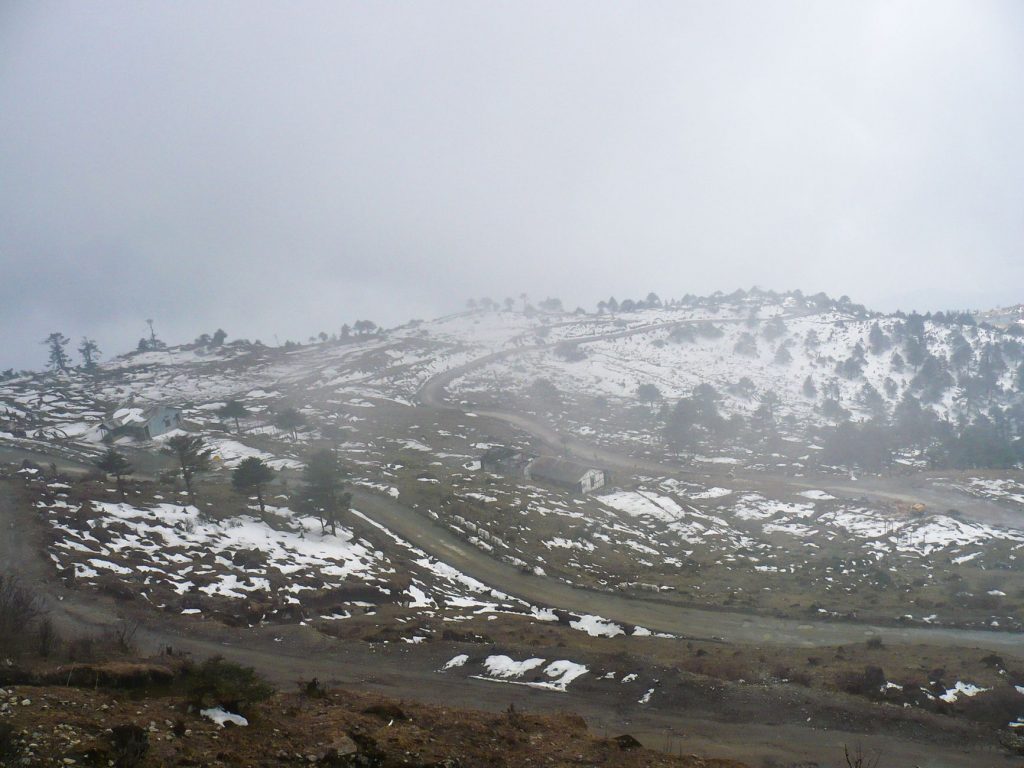
Imagine you’re on a serene mountain trek in the Eastern part of India, surrounded by lush greenery and the soothing sounds of nature. This is exactly what millions of Indians experience every year while exploring the untouched beauty of Arunachal Pradesh. The region is a treasure trove of natural wonders, and its latest addition to the list is Glaw Lake, which has just been designated as India’s 101st Ramsar Site.
Glaw Lake, situated in the West Kameng district of Arunachal Pradesh, is a pristine high-altitude lake that stands at an impressive 3,500 meters above sea level. This stunning lake is nestled amidst the majestic Himalayan mountains and is a haven for nature lovers, wildlife enthusiasts, and adventure seekers alike. The declaration of Glaw Lake as a Ramsar Site is a significant achievement for India, as it acknowledges the country’s commitment to preserving and protecting its rich biodiversity.
Why is Glaw Lake so special?
Glaw Lake is an important wetland that supports a diverse range of flora and fauna. The lake’s unique ecosystem is home to a variety of water birds, including migratory species that travel from distant lands to this tranquil paradise. The lake’s shoreline is also dotted with lush vegetation, which provides a habitat for a variety of wildlife, including the majestic Himalayan tahrs and the elusive snow leopards.
The designation of Glaw Lake as a Ramsar Site is not just a recognition of its natural beauty but also a testament to the efforts of the local community in protecting and preserving this fragile ecosystem. The local people have played a vital role in ensuring the conservation of the lake’s natural resources, and their efforts have been recognized globally. The Ramsar designation will also provide a platform for the local community to engage with international experts and learn from their experiences in wetland conservation.
What does this mean for India?
The inclusion of Glaw Lake in the Ramsar Site list is a significant boost to India’s reputation as a country that prioritizes the conservation of its natural resources. With this achievement, India joins the ranks of other countries that have demonstrated their commitment to preserving their wetlands and promoting sustainable development. The Ramsar designation will also provide a platform for India to showcase its rich biodiversity and unique ecosystems to the world.
The declaration of Glaw Lake as a Ramsar Site is also a reminder of the importance of community-led conservation efforts. The success of this project is a testament to the power of local communities in protecting and preserving their natural resources. This achievement will inspire other communities across India to take up similar initiatives and work towards the conservation of their own natural heritage.
What’s next?
The designation of Glaw Lake as a Ramsar Site is just the beginning of a new chapter in the conservation of this magnificent wetland. The Indian government, in collaboration with local communities and international experts, will work towards ensuring the long-term conservation of the lake’s natural resources. This will involve a range of activities, including habitat restoration, wildlife conservation, and sustainable tourism development.
The success of this project will also depend on the active participation of local communities, who will play a vital role in ensuring the conservation of the lake’s natural resources. The Indian government has committed to providing necessary support and resources to the local community to help them in their conservation efforts. With this commitment and the active participation of local communities, we can ensure that Glaw Lake remains a pristine and untouched haven for generations to come.
As we celebrate this achievement, we must also recognize the importance of preserving our natural heritage for future generations. The conservation of Glaw Lake is not just a local issue but a national priority that requires the active participation of all Indians. We must work together to protect our natural resources and promote sustainable development, so that we can ensure a better future for ourselves and our children.
The declaration of Glaw Lake as a Ramsar Site is a significant milestone in India’s journey towards conservation and sustainable development. It is a reminder of the importance of community-led conservation efforts and the need for active participation from local communities in protecting and preserving our natural resources. As we move forward, we must continue to prioritize the conservation of our natural heritage and promote sustainable development, so that we can ensure a better future for ourselves and our children.
The success of this project will inspire other communities across India to take up similar initiatives and work towards the conservation of their own natural heritage. This achievement will also provide a platform for India to showcase its rich biodiversity and unique ecosystems to the world, and we must continue to build on this momentum to ensure the long-term conservation of our natural resources.
The Ramsar designation of Glaw Lake is a significant achievement that will have far-reaching impacts on the conservation of India’s natural resources. It is a testament to the power of local communities in protecting and preserving their natural resources and a reminder of the importance of community-led conservation efforts. As we celebrate this achievement, we must also recognize the importance of preserving our natural heritage for future generations and work towards promoting sustainable development and the long-term conservation of our natural resources.