
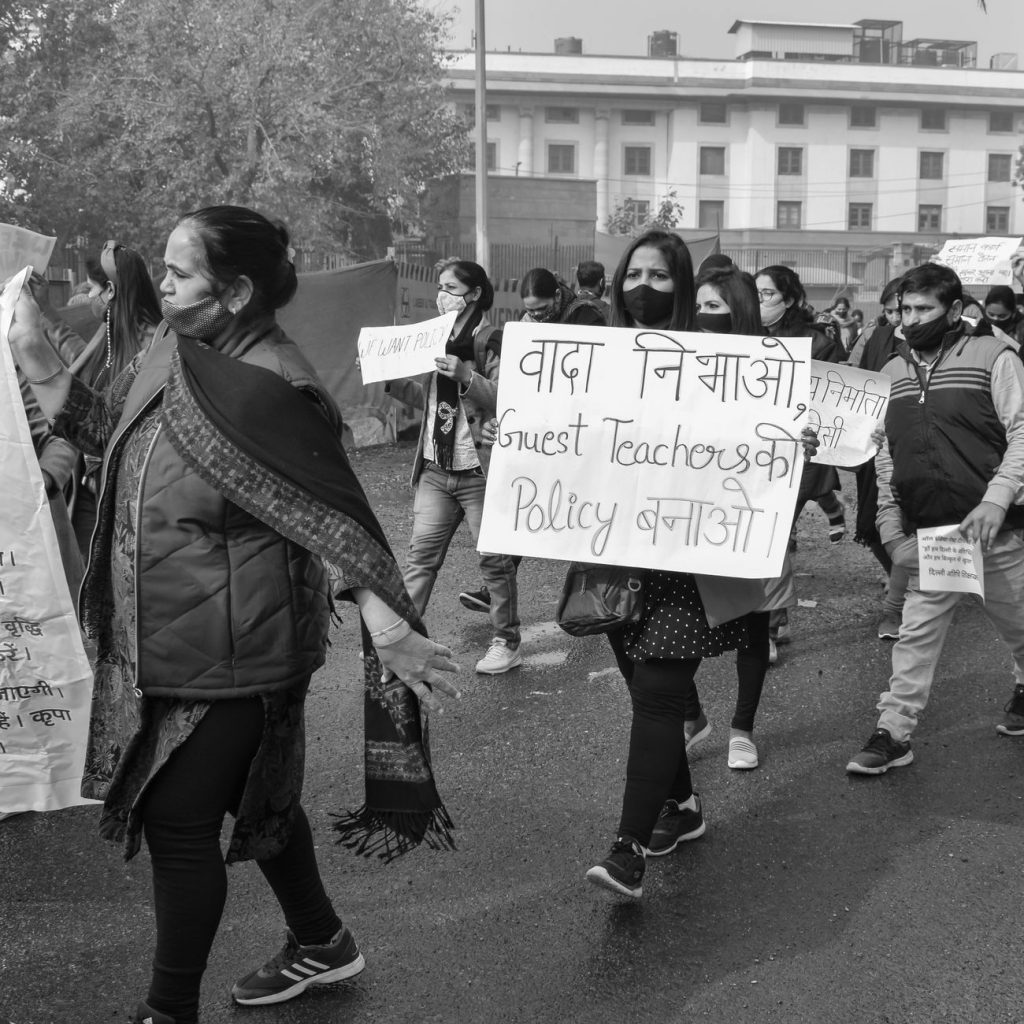
Have Indian women’s rights activists been unfairly targeted for speaking out against government policies?
Protesters Call Out Government for Inaction
In a shocking turn of events, a group of women activists in India have faced a barrage of online abuse and doxing after protesting against the government’s inaction on key issues affecting their lives.
The protesters, who were participating in a peaceful demonstration, were subjected to vile and misogynistic slurs on social media platforms, with some even being doxxed, or having their personal information shared online without consent.
The abuse and doxing were sparked by the protesters’ criticism of the government’s handling of issues such as gender-based violence, reproductive rights, and economic empowerment for women.
One of the activists, who wished to remain anonymous, shared her harrowing experience of being slut-shamed and doxxed on social media. She described how her personal details were shared online, and how she received a flood of abusive messages, including lewd comments and insults.
‘I was shocked and scared when I saw my personal details being shared online,’ she said. ‘I felt like I was being attacked from all sides. The abuse was relentless, and I feared for my safety.’
Government’s Response Sparked Further Anger
The government’s response to the protests was seen as inadequate, with many feeling that it failed to address the key issues raised by the activists.
Instead of engaging with the protesters, the government chose to silence them, with some politicians even using derogatory language to describe the activists.
The government’s stance was seen as a further blow to the women’s rights movement, which has been fighting for equality and justice for decades.
‘The government’s response has been disappointing and disheartening,’ said a leading women’s rights activist. ‘It’s clear that they are not interested in listening to the concerns of women and are instead trying to silence us.’
Why This Matters
The abuse and doxing of women activists in India highlights the country’s deep-seated patriarchal attitudes and the need for greater accountability from the government.
It also raises questions about the role of social media in perpetuating online harassment and the need for greater regulation and accountability from platforms.
The incident serves as a stark reminder of the risks faced by women who dare to speak out against the status quo, and the need for greater support and solidarity from the public.
The fight for women’s rights in India is far from over, and it will take the collective efforts of activists, policymakers, and the public to create a more just and equitable society for all.