
Imagine you’re taking a bus home from work on a busy Mumbai street, surrounded by the sounds of honking cars and chatter of fellow commuters. But what if you’re being judged and shamed for the clothes you wear or the choices you make? Unfortunately, this isn’t just a nightmare scenario for many Indian women.
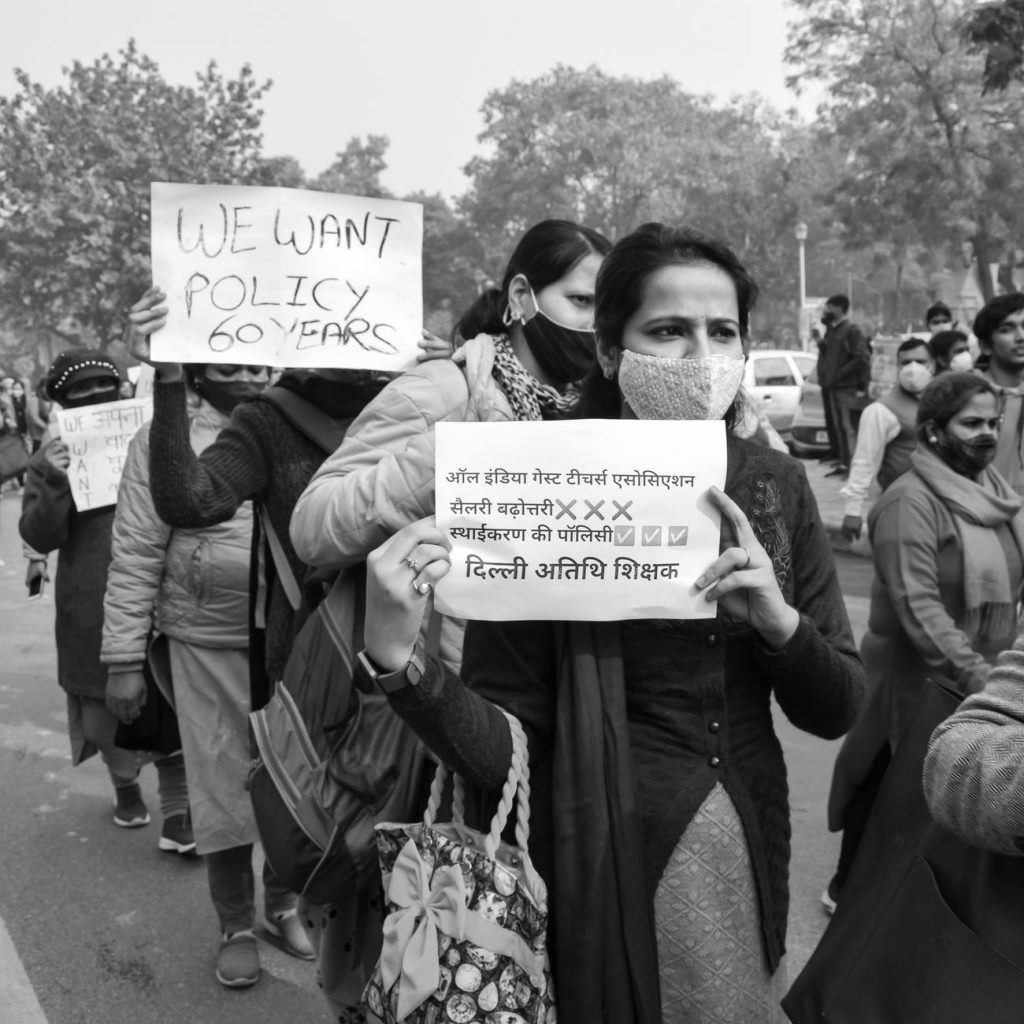
Recently, a disturbing trend has emerged in India where women who participate in peaceful protests are being doxxed, abused, and slut-shamed online. The hashtag #CockroachProtesters, which originated on social media, has sparked outrage and raised concerns about the safety of women in India who dare to speak out against injustice.
What’s Behind the Abuse?
According to experts, the online abuse of women protesters in India is a symptom of a larger societal problem – deep-seated patriarchy and sexism that condones violence against women. ‘This kind of abuse is not just about the protesters, but about the kind of society we live in,’ says Dr. Nandita Shah, a leading women’s rights activist. ‘We need to recognize that this is not just about individual women, but about the systemic oppression of women in India.’
The #CockroachProtesters hashtag trend started when a group of women protested against the Citizenship (Amendment) Act in December 2022. But it soon escalated into a full-blown online abuse campaign, where women were targeted with vile messages, rape threats, and slut-shaming comments. The abuse was so severe that many women were forced to delete their social media accounts or go into hiding.
Doxxing and Abuse in the Digital Age
Doxxing, or the practice of publishing someone’s personal information online without their consent, is a serious concern in India. In the case of the #CockroachProtesters, women were doxxed and their personal details were shared online, putting them at risk of physical harm. ‘This is a classic case of online harassment, where women are being targeted for their activism,’ says Priya Srinivasan, a digital rights activist. ‘We need to recognize that this is not just about the protesters, but about the kind of society we live in.’
The Indian government has been criticized for its lack of action against online abuse. While there are laws in place to protect women from harassment, they are rarely enforced. ‘We need to see concrete action from the government to protect women from online abuse,’ says Dr. Shah. ‘This includes strengthening laws, increasing police accountability, and providing support to victims of online harassment.’
What’s Next?
The #CockroachProtesters hashtag trend may have subsided, but the issue of online abuse remains a pressing concern in India. Women’s rights activists are calling for greater awareness and action to protect women from online harassment. ‘We need to create a culture of respect and empathy online, where women feel safe to express themselves without fear of abuse,’ says Priya Srinivasan. ‘This is not just about women’s rights, but about building a more just and equitable society for all.’
In the meantime, women in India will continue to face online abuse and harassment. But they will not be silenced. As Dr. Shah so eloquently puts it, ‘We will not be cowed down by the patriarchy. We will continue to speak out against injustice, even if it means facing online abuse.’
In the end, this is not just about the #CockroachProtesters. It’s about the kind of society we want to build in India. Do we want a society where women can speak out against injustice without fear of abuse? Or do we want a society where women are silenced and shamed for their choices? The choice is ours.