
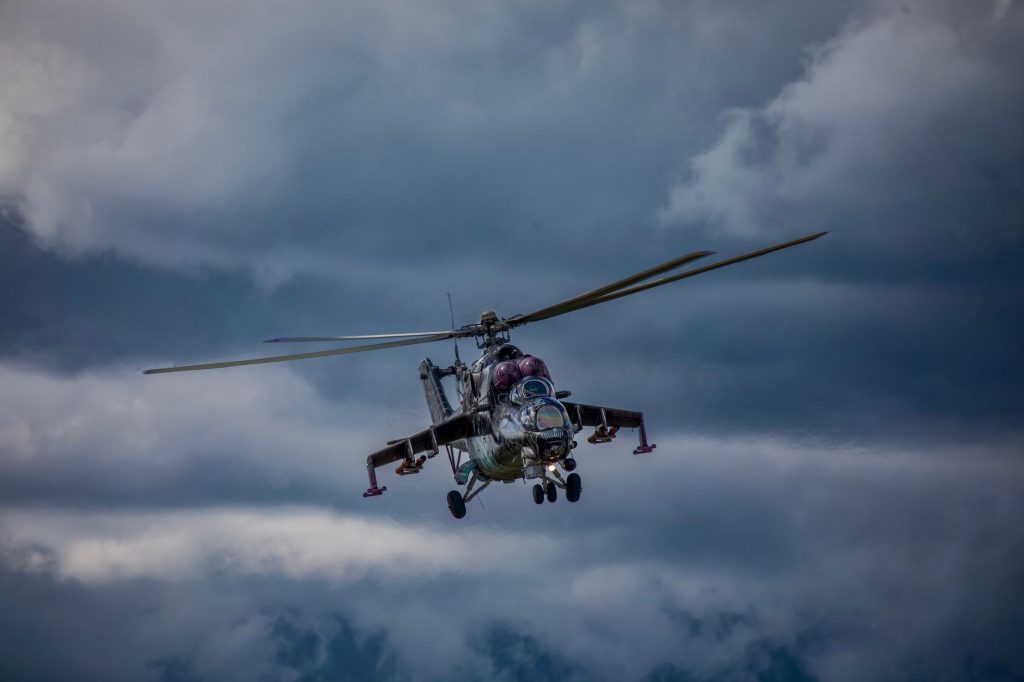
The ongoing conflict between Russia and Ukraine has dramatically shifted into a fierce battle for control of the skies, with both nations pouring resources into developing and deploying an increasing array of advanced aerial weapons. As the ground fighting has largely stalemated, both sides are looking to the air for a decisive advantage, hoping that new and improved drones and missiles will break the deadlock.
The Rise of Aerial Warfare
Forget tanks and trenches for a moment; the real action in Ukraine is increasingly happening high above the battlefield. Russia and Ukraine are not just using existing aerial technologies; they are innovating at a rapid pace. We’re seeing everything from sophisticated, long-range drones capable of stealthy reconnaissance and attack, to smarter, more precise missile systems. This arms race in the air is a direct response to the grinding nature of the ground war, where advances are slow and costly. Both Moscow and Kyiv believe that mastering the skies is the key to outmaneuvering and defeating their opponent.
Why This Air Battle Matters
This focus on aerial warfare is incredibly important for several reasons. Firstly, it highlights the evolving nature of modern conflict, where technology plays an ever-greater role. Drones, in particular, have proven to be game-changers, offering cheaper and more adaptable alternatives to traditional air power. For Ukraine, these aerial tools are crucial for defending its territory and striking at Russian supply lines and military bases. For Russia, they are a means to project power, disrupt Ukrainian defenses, and gain strategic dominance. The success or failure of these aerial strategies could very well determine the outcome of the war.
What’s Next in the Skies?
Looking ahead, we can expect this aerial arms race to intensify. Both countries will likely continue to experiment with new drone designs, jamming technologies, and counter-drone measures. The development of artificial intelligence in targeting and drone swarming tactics could also become more prominent. For the rest of the world, this conflict serves as a stark reminder of how quickly military technology can advance and how critical air superiority remains in modern warfare. The lessons learned from this ‘fight for the skies’ will undoubtedly shape future military strategies globally.