
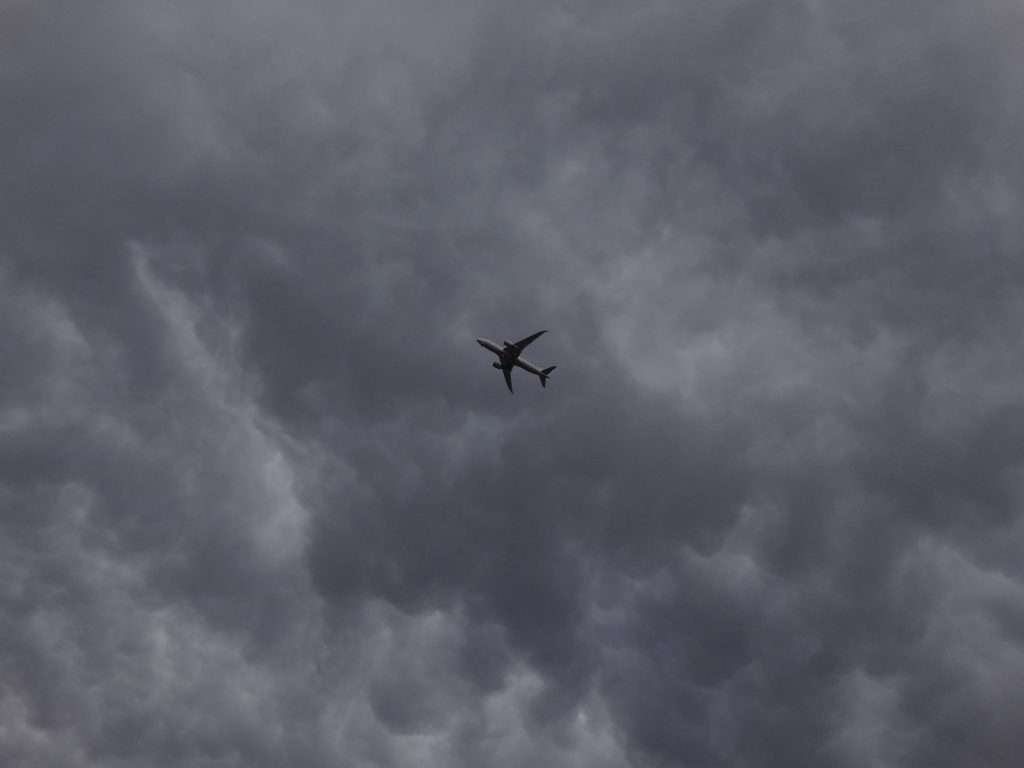
A harrowing incident took place on an Air India flight recently, leaving its crew shaken and injured.
A senior government minister revealed that the turbulence experienced on the flight lasted a full 5 minutes, causing spinal injuries to the crew members on board.
Turbulence Nightmare
The incident highlights the perils faced by aircrew during turbulent flights and raises questions about the safety measures in place to protect them.
Turbulence, by its very nature, is unpredictable and can be extremely violent, making it a constant concern for airlines and aircrew alike.
The 5-minute turbulence was reportedly so intense that it caused spinal injuries to the crew, leaving them in a precarious condition.
Safety Concerns
The incident has sparked safety concerns among air passengers and crew, with many wondering if enough is being done to ensure their safety during turbulent flights.
The airline industry has made significant strides in recent years to improve safety standards, but incidents like these serve as a reminder that there is still much work to be done.
Experts point out that turbulence is a natural phenomenon that cannot be completely eliminated but can be mitigated with proper training and equipment.
However, the question remains as to whether the measures in place are sufficient to protect aircrew and passengers during such events.
Investigation Underway
The government minister revealed that an investigation into the incident is currently underway, with officials working to determine the cause and extent of the turbulence.
The findings of the investigation are expected to shed light on the safety measures in place and whether they were sufficient to prevent the incident.
While the incident has sent shockwaves through the airline industry, it also serves as a wake-up call for passengers to be more aware of the risks associated with turbulence.
By understanding the factors that contribute to turbulence, passengers can take steps to ensure their own safety and the safety of those around them.
The Air India incident is a sobering reminder of the importance of prioritizing safety in the airline industry and the need for ongoing vigilance to prevent such incidents in the future.
As the investigation continues, one thing is clear: the safety of aircrew and passengers must remain the top priority for airlines and regulatory bodies alike.
The incident serves as a stark reminder of the risks involved in air travel and the importance of being prepared for the unexpected.