
Are India’s exports to the US at risk due to the latest Russia sanctions bill?
We answer this question and give you the full context in this article.
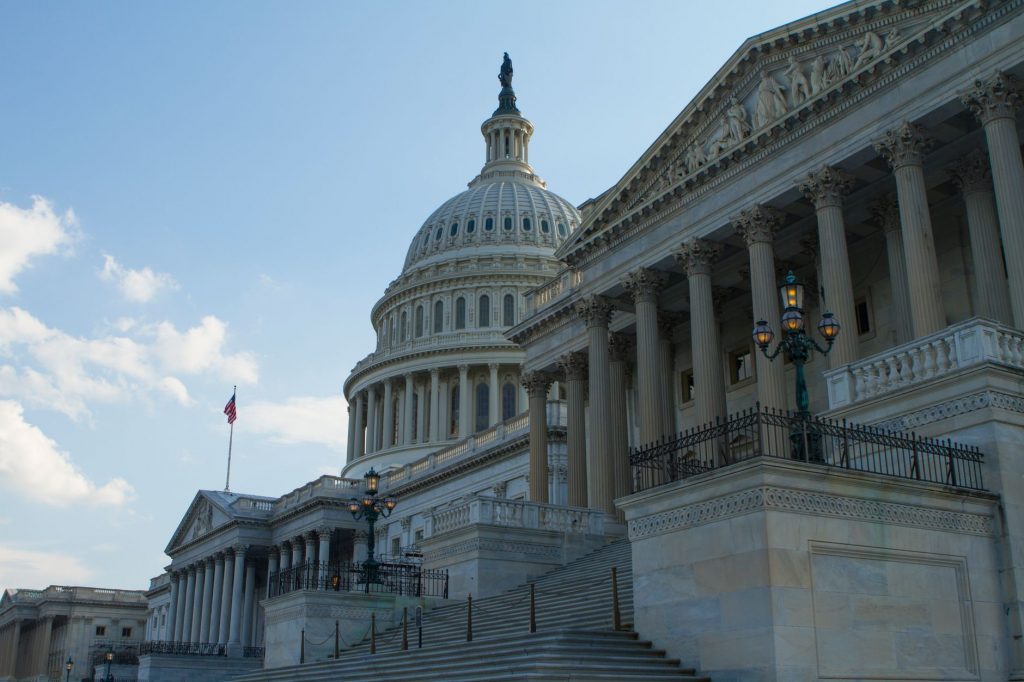
The US Senate has passed a bill that aims to punish Russia for its ongoing conflict with Ukraine. However, the bill also includes provisions that could affect India and four other countries.
What are the US Sanctions on Russia?
The US has been imposing various sanctions on Russia since its invasion of Ukraine in February. The latest bill aims to further restrict Russia’s access to US markets and technologies.
One of the key provisions of the bill is the imposition of 100% tariffs on imports from Russia, including oil and natural gas. This is expected to have a significant impact on Russia’s economy, which relies heavily on energy exports.
The US is also restricting Russia’s access to US technology, including semiconductors and software. This could limit Russia’s ability to develop and manufacture advanced military equipment.
Why are India and Four Other Countries Affected?
The US bill also includes provisions that affect India and four other countries – China, Turkey, Belarus, and the United Arab Emirates.
The bill imposes 100% tariffs on imports from these countries, including certain types of steel and aluminum. This could affect India’s exports of these materials to the US.
India’s trade relations with the US are already strained due to various issues, including trade policies and intellectual property rights. This development could further exacerbate tensions between the two countries.
The US has been pressuring India to reduce its dependence on Russian energy imports, which have been increasing in recent years. The imposition of tariffs could be a way for the US to incentivize India to diversify its energy imports.
What are the Implications for India?
The imposition of 100% tariffs on India could have significant implications for the country’s economy.
India’s exports to the US are already facing challenges due to various trade policies, including the US’s Section 301 tariffs on Indian goods.
The imposition of additional tariffs could further reduce India’s exports to the US, leading to job losses and economic hardship for Indian businesses and workers.
However, India could also benefit from the US’s pressure to reduce its dependence on Russian energy imports. The country has been diversifying its energy imports in recent years, and the US could provide an alternative source of energy.
India’s government has not yet commented on the US bill, but it is likely to respond soon. The country will need to balance its relationships with the US and Russia, while also protecting its economic interests.
The implications of the US bill for India are complex and far-reaching. It is essential for India to engage with the US and other stakeholders to find a mutually beneficial solution.
In conclusion, the US Senate’s passage of the Russia sanctions bill has significant implications for India and four other countries. While the bill aims to punish Russia, it also includes provisions that could affect India’s economy and trade relations with the US.
India must navigate this complex situation carefully, balancing its relationships with the US and Russia while protecting its economic interests.