
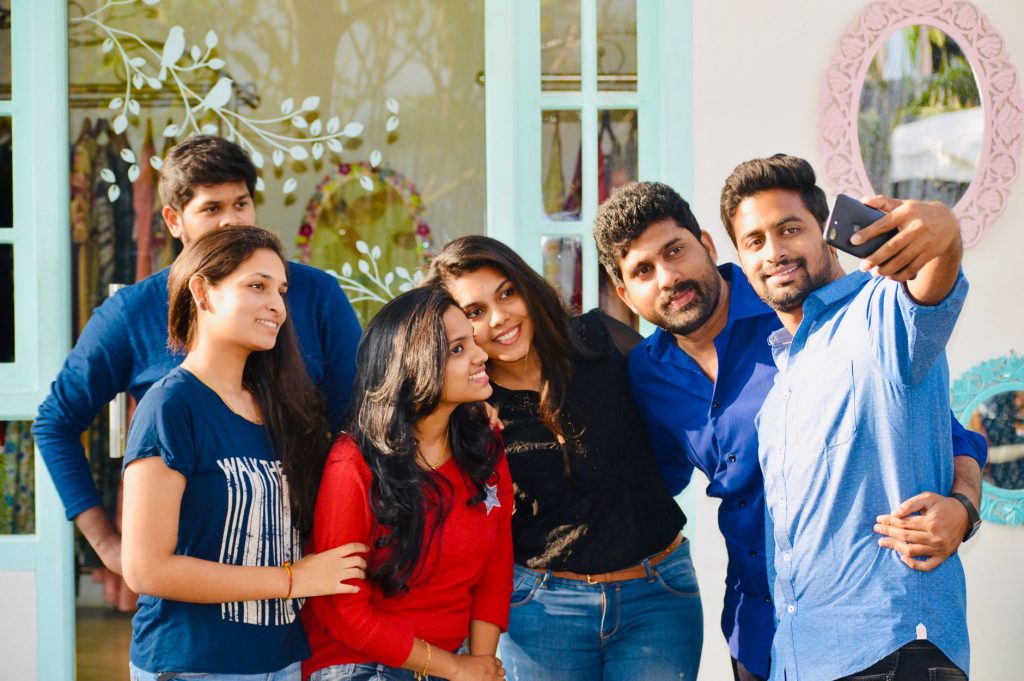
Connecting with the Younger Generation
In a crowded Mumbai market, you’re unlikely to miss the vibrant stalls selling the latest gadgets, trendy clothes, and lip-smacking street food. But what if we told you, amidst the chaos of this bustling hub, the Prime Minister of India is trying to connect with the younger generation? Yes, you read that right! Narendra Modi, the 71-year-old leader, has taken to using social media, colloquial language, and catchy phrases to win over the hearts of Generation Z in India.
From ‘Hi friends’ to ‘Jai Jawan Jai Kisan’, Modi’s social media posts have taken a distinctly youthful tone. His Instagram posts, often accompanied by catchy music and vibrant visuals, have started to gain traction among the younger crowd. But the question remains – can this 71-year-old leader truly connect with the young Indians who are growing increasingly disillusioned with politics?
The Rise of Social Media in Politics
Social media has become an integral part of Indian politics in recent years. With millions of Indians active on platforms like Instagram, Twitter, and Facebook, politicians have started to realize the power of these platforms to reach out to their voters. Modi, known for his tech-savviness, has been at the forefront of this movement. His social media team has been working tirelessly to create content that resonates with the younger generation.
From memes to music videos, Modi’s social media team has tried everything to engage with the young Indians. But critics argue that this is nothing more than a publicity stunt, and that the Prime Minister is merely trying to present a ‘cool’ image. They point out that Modi’s social media presence is still largely controlled by his team, and that he rarely engages with his followers in a genuine way.
However, experts argue that Modi’s attempt to connect with the younger generation is a strategic move to stay relevant in Indian politics. With the Lok Sabha elections just around the corner, Modi’s party, the Bharatiya Janata Party (BJP), is looking to capitalize on the youth vote. By using social media and colloquial language, Modi is trying to create a connection with the young Indians who are increasingly disillusioned with politics.
But what does this mean for Indian politics? Will Modi’s attempt to connect with the younger generation pay off, or will it backfire? Only time will tell. One thing is certain – Indian politics has never been more interesting, and the younger generation is at the forefront of it all.
The Challenges Ahead
Modi’s attempt to connect with the younger generation is not without its challenges. Critics argue that his social media presence is still largely superficial, and that he rarely engages with his followers in a genuine way. Moreover, the younger generation is increasingly disillusioned with politics, and many are skeptical of Modi’s intentions.
Experts point out that Modi’s party, the BJP, has a long history of using divisive rhetoric to win elections. Will this strategy work with the younger generation, who are growing increasingly tolerant and accepting of diversity? Or will Modi’s attempt to connect with them backfire, leading to a backlash from the very people he is trying to woo?
Only time will tell. One thing is certain – Indian politics has never been more interesting, and the younger generation is at the forefront of it all. As the Lok Sabha elections approach, Indians will be watching closely to see if Modi’s attempt to connect with the younger generation pays off. Will he be able to win over the hearts of Gen Z, or will this be a gamble that ultimately backfires?
Whatever the outcome, one thing is certain – Indian politics has never been more exciting, and the younger generation is at the forefront of it all. Stay tuned for the latest updates on Indian politics, and join the conversation on social media using the hashtag #IndianPolitics.