
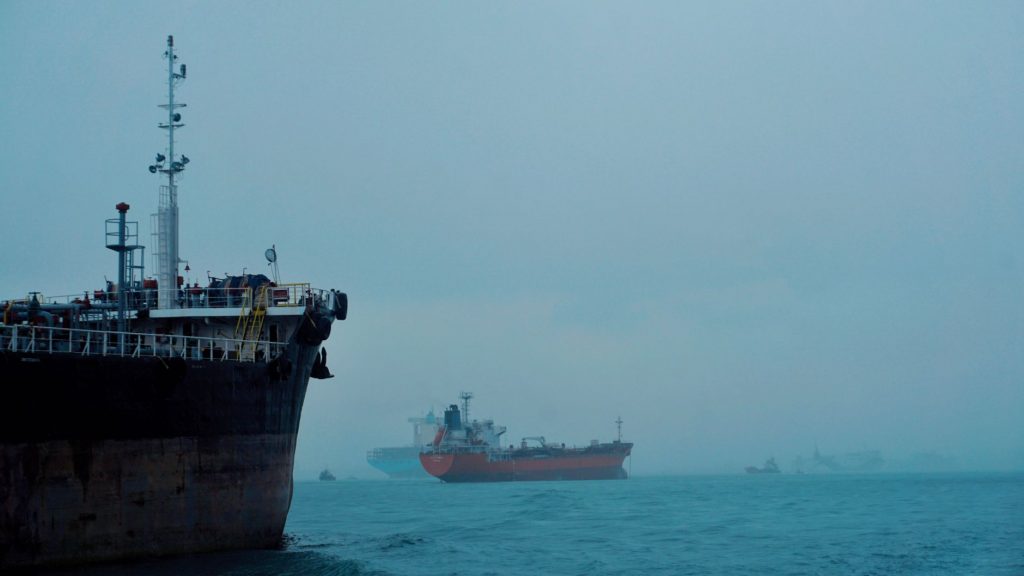
Good news is brewing around the Strait of Hormuz! Oman, the neighbour to both Iran and the UAE, has shared that recent discussions about establishing a new shipping route through this crucial waterway are looking pretty positive. This is a big deal because the Strait of Hormuz is like the main highway for oil tankers and cargo ships in the region, and any disruption there can send shockwaves across the globe, affecting prices and availability of goods we all use.
Why This Strait Matters So Much
Think of the Strait of Hormuz as a narrow bottle neck connecting the Persian Gulf to the open sea. A massive chunk of the world’s oil supply passes through here every single day. For India, which imports a lot of its energy needs, stability in this region is super important for our economy and keeping prices in check at the petrol pump. So, any talks that aim to make shipping safer and more predictable are definitely something we’re keeping an eye on.
A Glimmer of Progress, But Not a Done Deal
While Oman’s Foreign Minister, Sayyid Badr Albusaidi, has expressed optimism, suggesting that the talks have been productive, there’s also a note of caution from Iran. Tehran has reportedly stated that any agreement to open up new shipping routes wouldn’t necessarily mean the strait itself would be completely open or free from potential issues. This suggests that while there’s movement, the complete resolution and a clear path forward are still a bit hazy.
The discussions are aimed at finding ways to ensure smoother, safer passage for vessels, possibly by creating alternative routes or improving existing ones. The goal is to de-escalate tensions and prevent any accidental clashes or blockades that could cripple global trade. Both sides are trying to find common ground, and Oman is playing a key role in mediating these sensitive conversations.
What happens next is crucial. We’ll be watching to see if these positive vibes translate into concrete actions and a formal agreement. If successful, this could mean more stable shipping, less worry about oil supply disruptions, and a more predictable economic future for countries like ours. However, if the differences remain, the uncertainty over this vital waterway will continue to be a concern.