
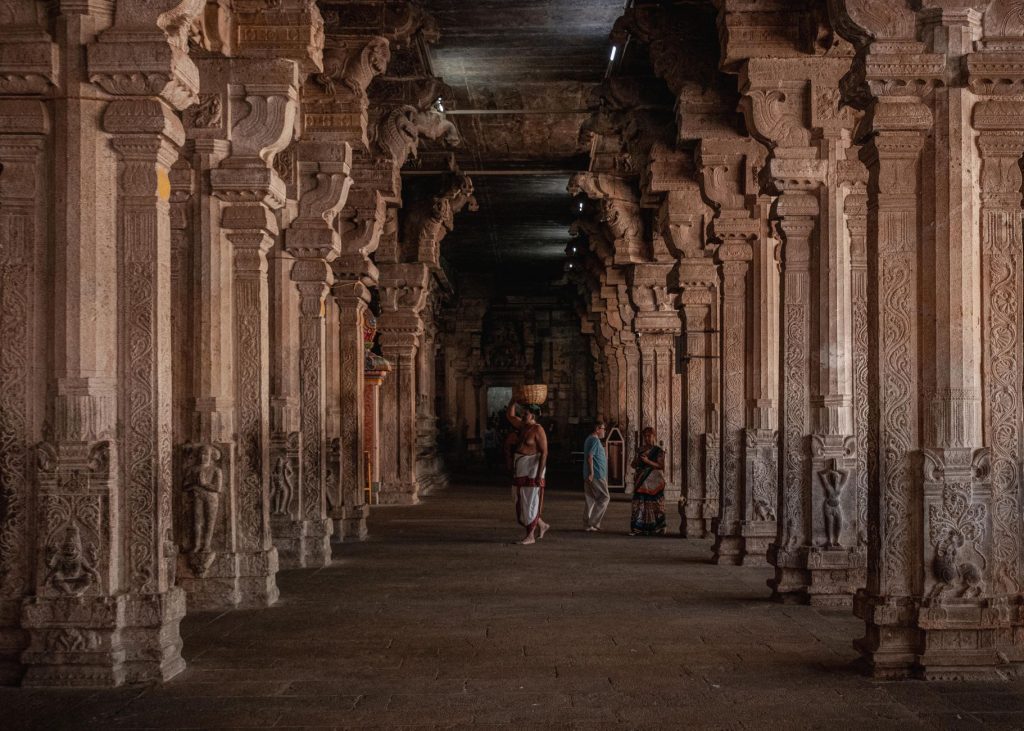
Are Tamil Nadu’s temples becoming less about devotion and more about disruption? That’s the question many worshippers are silently asking, and the state government seems to be listening. In a significant move aimed at restoring the sanctity and peace of religious sites across Tamil Nadu, authorities have announced a series of directives intended to curb disruptions caused by VIP visits and to rein in the ubiquitous mobile phone. The goal is clear: to ensure that the spiritual experience of the common devotee is no longer secondary to the convenience of the influential.
Reclaiming Sacred Spaces
For too long, the sanctity of temples has been compromised by the fanfare surrounding visits from VVIPs and VIPs. Allegations of devotees being shooed away, rituals being altered, and general chaos ensuing have become distressingly common. The Hindu Religious and Charitable Endowments (HR&CE) Department’s new guidelines are a direct response to these grievances. They mandate that temple administrations must ensure VIPs do not impede the normal flow of devotees or disrupt scheduled prayers and ceremonies. This means a more organized and respectful approach to accommodating prominent personalities, prioritizing the spiritual needs of the masses over the privileged few.
The Mobile Menace
Beyond the VIP issue, the pervasive use of mobile phones within temple premises has also been a growing concern. While smartphones can be useful for various purposes, their unchecked use during prayers, pujas, and within sanctified areas often leads to distractions, noise, and a general erosion of the solemn atmosphere. The new regulations aim to address this by imposing stricter controls on mobile phone usage. While complete bans might be difficult to enforce universally, the directive emphasizes curbing their use in areas where they are most likely to cause disturbance, encouraging devotees to focus on their prayers and rituals.
What This Means for Devotees
These changes signal a welcome shift towards a more devotee-centric approach in managing temple affairs. For the millions who visit temples seeking solace, spiritual connection, and a moment of peace, this is a significant development. It promises a more orderly and tranquil environment, allowing them to immerse themselves fully in the devotional experience without the distractions of VIP protocol or the incessant ringing and flashing of mobile phones. The HR&CE Department’s proactive stance aims to uphold the spiritual integrity of these sacred institutions, ensuring they remain places of worship and reflection for all, irrespective of their social standing.
The implementation of these directives will be crucial. It will require diligent oversight by temple authorities and a collective understanding and cooperation from devotees and visitors alike. If successfully enforced, these measures could redefine the temple experience in Tamil Nadu, making it a more serene and spiritually enriching journey for everyone.