
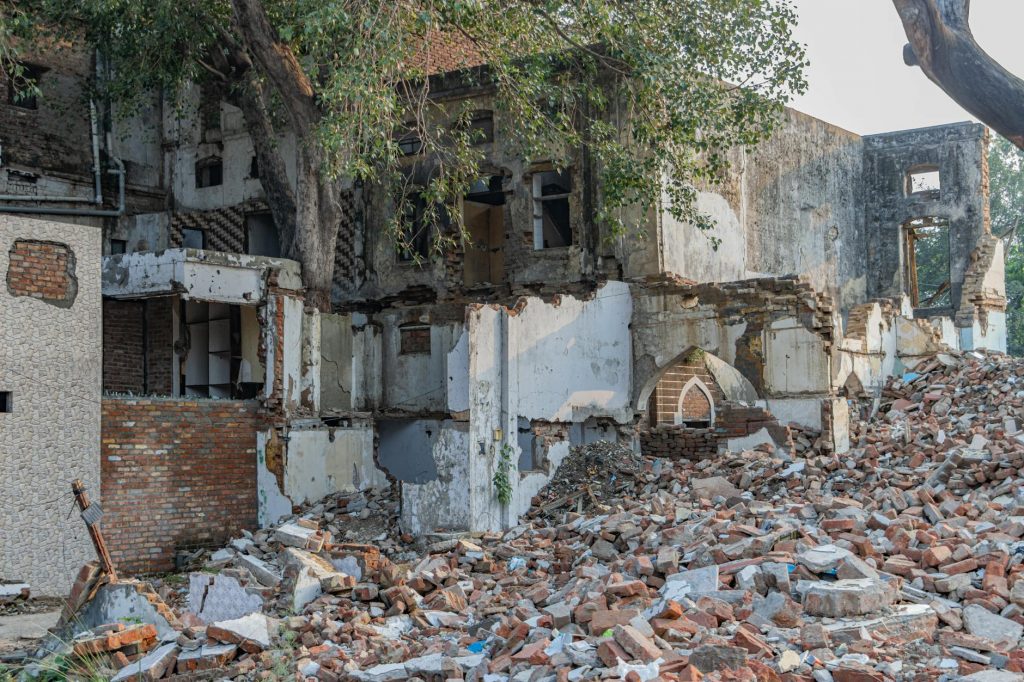
Imagine waking up one morning to find bulldozers outside your neighborhood. That’s exactly what residents in several Ahmedabad localities witnessed recently as the city administration launched a large-scale demolition drive targeting illegal settlements.
The operation has been intensifying over the past few weeks, with authorities systematically identifying and removing unauthorized structures that have reportedly sprung up across the city. Officials say these settlements have largely housed undocumented migrants, raising serious concerns about urban planning and resource management in Gujarat’s largest metropolis.
Why This Matters for the City
Ahmedabad has been grappling with rapid urbanization, and illegal settlements complicate everything — from water supply networks to sanitation systems. When structures come up without proper registration or planning approval, they strain existing civic infrastructure that’s already stretched thin.
The demolition isn’t just about clearing land. It’s part of a broader effort to regulate migration and ensure that new residents follow legal documentation procedures. Border cities like Ahmedabad have seen increasing cases of undocumented immigration, which directly impacts administrative resources and security protocols.
Local shopkeepers and long-time residents have mixed feelings about the drive. Some appreciate the cleanup effort, while others worry about displaced families and where they’ll go next. The administration has been coordinating with social welfare departments, though details about rehabilitation remain sketchy.
What Happens Next?
The drive is ongoing, and city officials have made it clear this isn’t a one-time operation. They’re planning to strengthen surveillance and implement stricter verification systems for new residents. Property owners in affected areas are being asked to verify their documentation and legal status.
Urban development experts point out that while demolition addresses the symptom, the real challenge lies in creating sustainable solutions. Cities need better coordination between immigration authorities, municipal corporations, and welfare departments to handle this issue long-term.
For now, the message from Ahmedabad’s administration is straightforward: all settlements must comply with city regulations, and unauthorized structures will face action. Whether this translates into actual solutions for migrants or just pushes the problem elsewhere remains to be seen.
The situation reflects a larger tension playing out across Indian metros — balancing urban growth with administrative control, and managing migration flows while respecting humanitarian concerns. As Ahmedabad continues its demolition drive, other cities are watching closely to see if this approach actually works.