
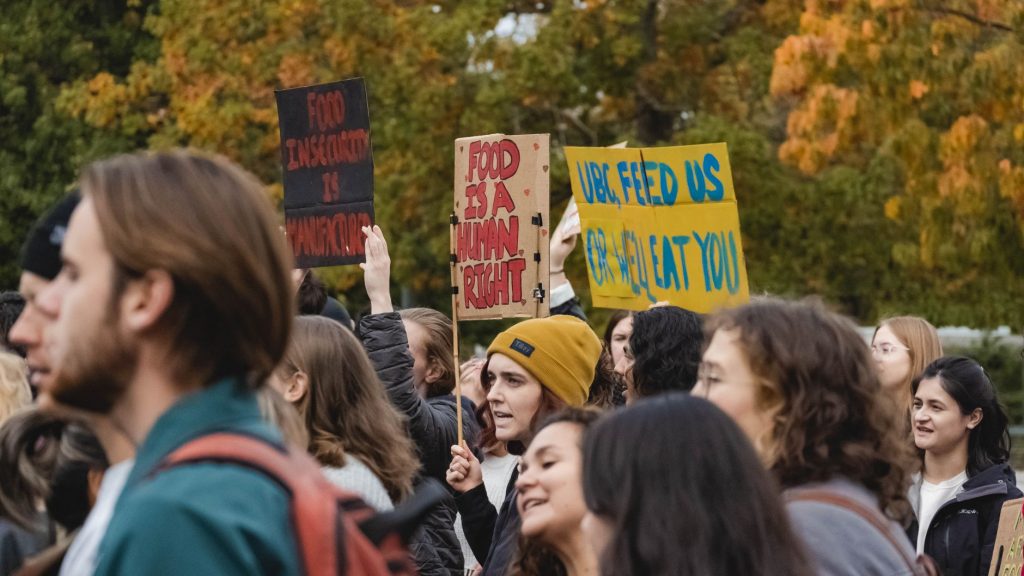
Are the ongoing student protests in Jharkhand going to be resolved anytime soon? The answer remains uncertain as the agitation continues, leaving students, parents, and the government in a state of high tension. In a recent development, Chief Minister Hemant Soren met a delegation of protesting students, but the outcome of the meeting remains unclear.
The protests, which began over a month ago, have gained momentum in recent days, with students from various colleges and universities joining the agitation. The students are demanding better facilities, improved infrastructure, and more opportunities for higher education. Despite the government’s assurances of addressing their concerns, the students remain unconvinced, citing a lack of tangible progress.
What Led to the Protests?
The student protests in Jharkhand are not a new phenomenon, but the current agitation has taken a more intense turn due to a combination of factors. The students feel that the government has failed to address their concerns, and the lack of representation in the state’s education policy has left them feeling marginalized. The recent hike in tuition fees has also added to their woes, making higher education unaffordable for many students.
The Chief Minister’s decision to meet the students was seen as a positive move, but the outcome of the meeting has left many questions unanswered. While the CM assured the students that their demands would be addressed, the students remain skeptical, citing a lack of concrete action. The meeting was attended by senior officials from the education department, who promised to look into the students’ demands, but the students are not convinced that anything will change.
The protests have taken a toll on the students, with many missing classes and exams due to the agitation. The parents are also worried about the impact of the protests on their children’s future, with some even threatening to withdraw their children from the colleges if the situation does not improve. The government, on the other hand, is under pressure to resolve the issue, with many opposition parties criticizing the CM’s handling of the situation.
What’s Next for the Students?
The students are planning to continue their agitation, with a series of protests and rallies scheduled in the coming days. The protests are expected to intensify, with more students joining the agitation and demanding better facilities and opportunities for higher education. The government, on the other hand, is expected to come up with a concrete plan to address the students’ demands, but the outcome remains uncertain.
The situation in Jharkhand is a classic example of the state’s education system failing to meet the needs of its students. The protests are not just about better facilities or infrastructure; they are about giving students a chance to succeed in life. The government needs to take concrete steps to address the students’ concerns and provide them with the opportunities they deserve. Only then can the protests be brought to an end, and the students can focus on their studies without worrying about their future.
In the end, it’s not just about the students or the government; it’s about the future of Jharkhand and its people. The protests may seem like a small issue, but they have far-reaching implications for the state’s education system and its future. The government needs to take a long-term view and address the students’ concerns in a meaningful way. Only then can the state’s education system be transformed, and the students can achieve their dreams.