
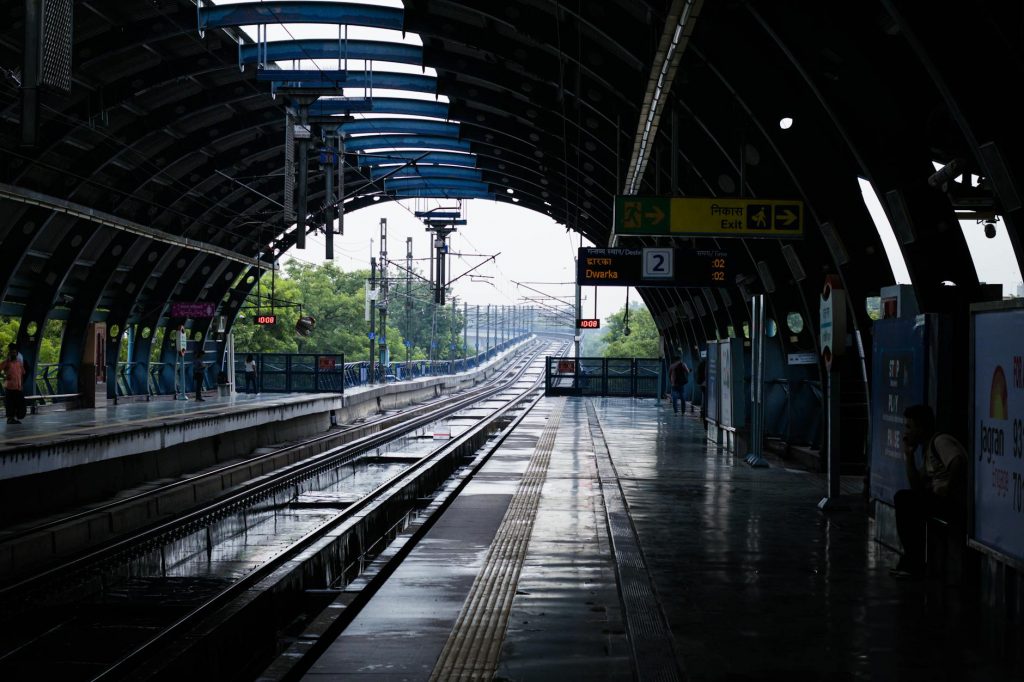
Are you wondering what this new Magenta Line stretch means for your daily commute in Delhi? The Prime Minister just inaugurated a crucial section of India’s first-ever ring metro, which promises to connect multiple parts of the city without forcing you to go through the central business districts every single time.
This isn’t just another metro line addition. A ring metro is fundamentally different—it loops around the city in a circular pattern, letting passengers travel between outer areas directly. Think of it as a bypass route for commuters. If you’re heading from one suburb to another on the outer edge, you no longer need to journey inward to the city center and back out again.
Why This Matters for Delhi’s Traffic Problem
Delhi’s existing metro network radiates outward like spokes on a wheel, all meeting at the center. This creates bottlenecks during rush hours and forces unnecessary travel on commuters. The ring metro changes this equation completely, offering lateral connectivity that the city desperately needed.
The newly inaugurated stretch of the Magenta Line represents a major milestone in this vision. It connects important residential and commercial hubs on Delhi’s periphery, reducing travel times significantly for thousands of commuters. Peak hour congestion on parallel road networks should ease as more people shift to metro travel.
What Happens Next for Delhi’s Metro Network
The complete ring metro project spans multiple phases and several lines working in coordination. This inaugural section is just the beginning—more stretches will open in the coming months and years as construction continues on other segments. The project represents India’s commitment to modern public transit infrastructure that matches global standards.
For regular commuters, this means better options for reaching workplaces, educational institutions, and residential areas without relying on cars and autos. Real estate in areas connected by the new line is likely to see increased interest from homebuyers and renters seeking better metro accessibility.
The environmental impact deserves mention too. Every commuter who switches from personal vehicles to metro reduces pollution and eases pressure on Delhi’s already strained air quality. With climate concerns mounting, infrastructure like this ring metro plays a crucial role in sustainable urban development.
Local authorities are simultaneously upgrading bus services and last-mile connectivity at metro stations to ensure the ring metro integrates smoothly with the broader transport ecosystem. This integrated approach is what separates good infrastructure from great infrastructure.
As Delhi continues grappling with urban congestion, this ring metro represents the kind of forward-thinking solution the city needs—smart, connected, and genuinely useful for everyday people navigating the capital’s chaotic streets.