
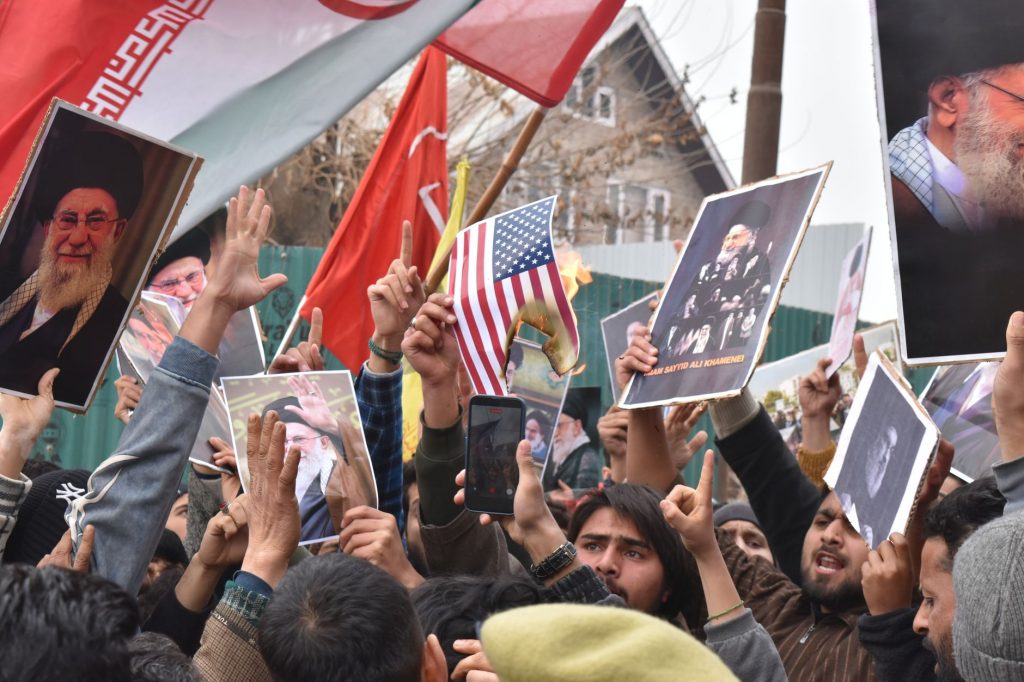
Are Iran and the US on the brink of war? This is the question on everyone’s mind as tensions between the two nations escalate. The answer, for now, is no. Despite the heightened rhetoric and military posturing, Iran has indicated that it is seeking to create grounds for talks with the US. But what does this mean, and how did we get here?
To understand the current situation, let’s take a step back and look at the recent history between Iran and the US. The relationship between the two countries has been strained for decades, but things took a turn for the worse in 2018 when the US withdrew from the Joint Comprehensive Plan of Action (JCPOA), commonly known as the Iran nuclear deal. The deal, which was signed in 2015, imposed strict limits on Iran’s nuclear program in exchange for relief from economic sanctions.
What Led to the Current Crisis?
The US withdrawal from the JCPOA was followed by the reimposition of sanctions on Iran, which had a devastating impact on the country’s economy. Iran, feeling betrayed and isolated, began to take steps to resume its nuclear program. The US, in turn, responded with more sanctions and a significant increase in military presence in the region. The situation continued to deteriorate, with both sides engaging in a war of words and provocative actions.
The current crisis, however, was sparked by the US drone strike that killed top Iranian military commander Qasem Soleimani in January 2020. The strike, which was carried out without the approval of Congress, was seen as a major escalation by Iran and its allies. Iran responded with a missile attack on US military bases in Iraq, which, although it did not result in any casualties, marked a significant escalation of the conflict.
Iran’s Motivations and Goals
So, why is Iran seeking to create grounds for talks with the US? The answer lies in the country’s economic situation. The sanctions imposed by the US have had a crippling impact on Iran’s economy, with the country’s currency, the rial, losing significant value against the US dollar. The sanctions have also made it difficult for Iran to sell its oil, which is the country’s main source of revenue. As a result, Iran is facing significant economic challenges, including high inflation and unemployment.
Iran’s motivations for seeking talks with the US are, therefore, largely driven by its economic needs. The country is hoping to negotiate a deal that would lead to the lifting of sanctions and allow it to resume its oil exports. Iran is also seeking to reduce its isolation and improve its relations with other countries, including those in Europe and Asia.
What Happens Next?
So, what happens next? The situation remains highly uncertain, and it is difficult to predict whether Iran and the US will be able to negotiate a deal. The US has imposed significant demands on Iran, including the dismantling of its nuclear program and the withdrawal of its military forces from the region. Iran, on the other hand, is seeking significant concessions, including the lifting of sanctions and recognition of its right to develop its nuclear program for peaceful purposes.
Despite the challenges, there are some reasons to be optimistic. Iran’s decision to seek talks with the US is a positive development, and it suggests that the country is willing to engage in diplomacy to resolve the crisis. The US, too, has indicated that it is open to talks, although it has imposed significant preconditions.
In conclusion, the situation between Iran and the US remains highly uncertain, but there are some reasons to be hopeful. Iran’s decision to seek talks with the US is a positive development, and it suggests that the country is willing to engage in diplomacy to resolve the crisis. The US, too, has indicated that it is open to talks, although it has imposed significant preconditions. As the situation continues to evolve, one thing is clear: the outcome of the talks will have significant implications for the region and the world.