
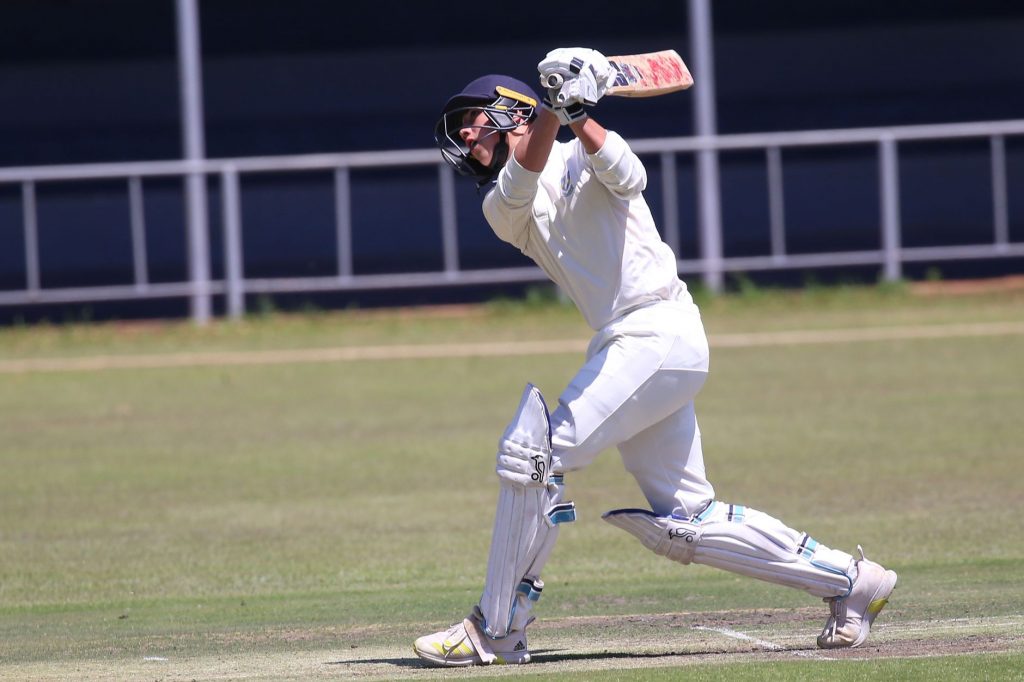
Are Indian Premier League (IPL) players taking unnecessary risks by playing through injuries due to financial pressure? It’s a question that has been on everyone’s mind, especially with the current state of the league.
The IPL has become a multi-crore industry in India, attracting top talent from around the world. However, the pressure to perform and earn big bucks has led to some players pushing their bodies to the limit, even when injured.
According to sources, many IPL players have been forced to play through injuries due to the financial constraints they face. With their contracts and salaries hanging in the balance, they feel compelled to take the field, even if it means risking further damage to their bodies.
Financial Pressures Mount
The financial rewards in the IPL are undoubtedly huge, but it’s also a cutthroat market where players are often left to fend for themselves. With their salaries and endorsements dependent on their performance, the pressure to play is immense. This has led to a situation where some players are willing to risk their health for the sake of earning a living.
The IPL’s franchise-based model has also contributed to the financial pressures faced by players. With franchise owners looking to cut costs and maximize profits, players are often left with little bargaining power. This has led to a situation where some players are forced to play through injuries, even if it means compromising their health.
Former cricketers and medical experts have expressed concern over the issue, warning that it could have long-term consequences for the players’ health. They point out that the IPL’s grueling schedule and pressure to perform can take a toll on the players’ bodies, leading to chronic injuries and health problems.
One former cricketer, who wished to remain anonymous, revealed that he had played through injuries during his IPL stint. He said, ‘The pressure to perform is immense, and players are often forced to play through injuries. It’s a catch-22 situation where you don’t want to risk your health, but you also don’t want to lose your contract and livelihood.’
The Human Cost of Financial Pressure
The human cost of financial pressure in the IPL is a worrying trend that needs to be addressed. Players are not just risking their health, but also their long-term career prospects. Injuries can have a lasting impact on a player’s career, leading to a decline in their performance and ultimately, their earning potential.
The IPL’s governing body, the Board of Control for Cricket in India (BCCI), needs to take a more proactive approach to addressing this issue. They need to work with the franchises to ensure that players are given adequate time to recover from injuries and are not forced to play through pain.
The BCCI also needs to consider implementing measures to reduce the financial pressures faced by players. This could include increasing the minimum salary threshold for players, introducing a more equitable distribution of revenue, or even providing financial assistance to players who are struggling to make ends meet.
In the end, the IPL needs to prioritize the health and well-being of its players. The financial rewards are undoubtedly huge, but they should not come at the cost of players’ health and career prospects. It’s time for the BCCI and the franchises to take a closer look at the situation and make some much-needed changes.
What’s Next for the IPL?
The IPL’s financial pressures are a complex issue that requires a multifaceted solution. The BCCI and the franchises need to work together to address the issue, ensuring that players are given adequate time to recover from injuries and are not forced to play through pain.
Players, too, need to take responsibility for their health and well-being. They need to prioritize their recovery and not compromise their health for financial gain. It’s a tough decision, but it’s one that could have long-term consequences for their careers and their health.
In the end, the IPL needs to strike a balance between financial rewards and player welfare. It’s a delicate balance, but one that is essential for the league’s long-term success and the well-being of its players.