
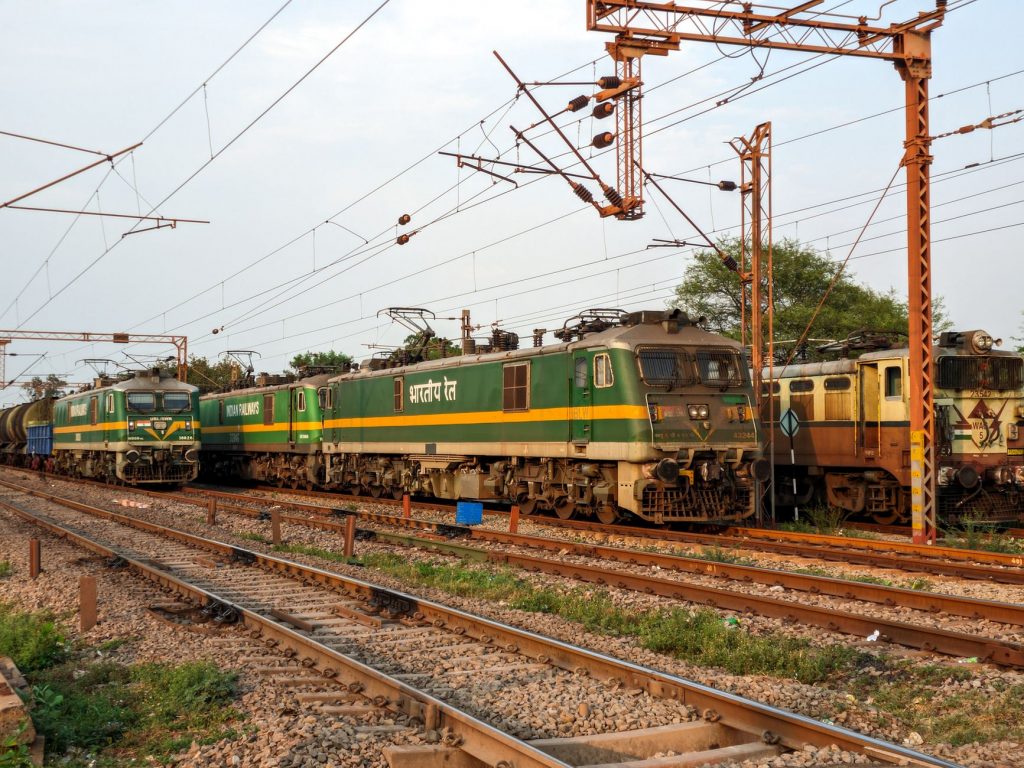
Are you wondering what’s behind the recent buzz in the transportation sector? The Indian government has made a significant announcement that’s set to give a boost to the rail freight industry. So, what’s the big news?
The government has decided to open rail container licences to all routes across the country. This means that private players will now be able to operate on any route, giving them greater flexibility and opportunities to grow their business.
What Does This Mean for Rail Freight?
The decision to open up rail container licences is a major game-changer for the rail freight industry. With this move, private players will be able to compete with public sector units (PSUs) on a level playing field. This will lead to increased competition, which in turn will drive innovation and efficiency in the sector.
According to industry experts, the opening up of rail container licences will also lead to a significant increase in the use of rail as a mode of transportation. With more players entering the market, the demand for rail services is expected to rise, leading to increased freight volumes and higher revenue for the industry.
But what about the concerns of existing players? Will they be left behind in the wake of increased competition? Not necessarily. The government has announced that existing players will also be allowed to operate on new routes, giving them the opportunity to adapt and evolve in response to changing market conditions.
Why is This Decision Important?
The decision to open up rail container licences is part of the government’s broader efforts to promote the use of rail as a mode of transportation. By increasing competition and driving innovation in the sector, the government aims to reduce the country’s dependence on roads and improve the overall efficiency of the transportation system.
The impact of this decision will be felt across various sectors, including manufacturing, agriculture, and e-commerce. With faster and more reliable transportation options, businesses will be able to reduce their logistics costs and increase their competitiveness in the market.
So, what’s next? The government has announced that it will be working closely with industry stakeholders to implement the new rules and regulations. This will involve creating a level playing field for all players, including PSUs and private players. The government will also be working to improve the infrastructure and facilities at rail terminals, making it easier for businesses to use rail as a mode of transportation.
In conclusion, the decision to open up rail container licences is a significant development for the rail freight industry. With increased competition and innovation, the industry is set to grow and evolve in response to changing market conditions. As the government continues to work towards its goals, one thing is clear: the future of rail freight in India is looking bright.