
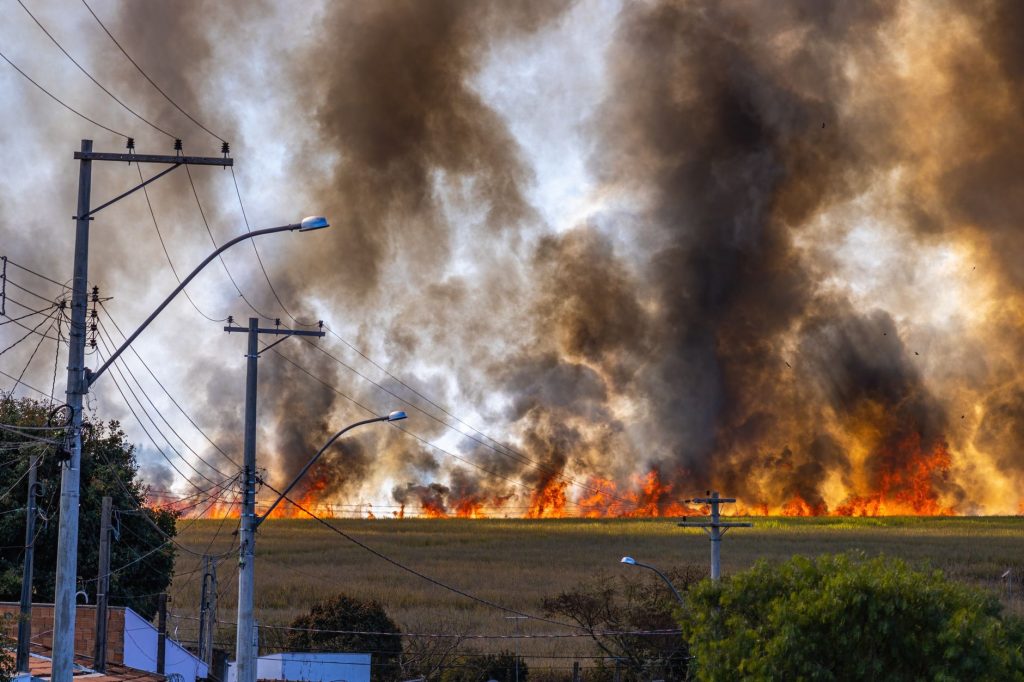
Thousands of Canadians are fleeing their homes as massive wildfires sweep across the country, forcing the government to step in and provide emergency aid. The situation is grim, with over 100,000 people evacuated in the province of Alberta alone.
Wildfires Rage Out of Control
A severe heatwave and drought have created a perfect storm for wildfires, which have been spreading rapidly in recent days. The fires have destroyed homes, businesses, and entire communities, leaving many without access to basic necessities like food, water, and shelter.
Emergency services are working around the clock to evacuate people from affected areas, but the sheer scale of the disaster is overwhelming. Many are being forced to flee with little more than the clothes on their backs, leaving behind everything they own.
The Canadian government has declared a state of emergency in several provinces, deploying military personnel and resources to help with the relief efforts. Prime Minister Justin Trudeau has promised to do everything in his power to support those affected by the wildfires.
As the situation continues to unfold, many are asking how this could have happened. Experts point to climate change as a major contributor to the severity of the wildfires, with rising temperatures and changing weather patterns creating a perfect storm for disaster.
A Global Problem Requires a Global Response
The Canadian wildfires are a stark reminder of the devastating impact of climate change on communities around the world. As the effects of global warming become more pronounced, it’s clear that no country is immune to its consequences.
India, in particular, is vulnerable to the impacts of climate change, with rising temperatures and changing weather patterns already causing widespread damage. The country needs to take a proactive approach to addressing climate change, investing in renewable energy and sustainable infrastructure to reduce its carbon footprint.
The Canadian government’s response to the wildfires is a model for how countries can work together to address the global challenge of climate change. By providing emergency aid and support to those affected, Canada is showing that even in the darkest of times, there is hope for a better future.
As the world watches the situation in Canada unfold, it’s clear that the time for action is now. We must work together to reduce our carbon footprint, invest in sustainable infrastructure, and support those affected by climate-related disasters like the Canadian wildfires.
What This Means for India
The Canadian wildfires are a wake-up call for India, highlighting the need for urgent action to address climate change. With the country’s growing economy and increasing energy demands, it’s more important than ever to invest in renewable energy and sustainable infrastructure.
India has made significant strides in recent years to reduce its carbon footprint, but more needs to be done. The government needs to work with states and local communities to develop and implement effective climate change mitigation strategies.
The Canadian wildfires are a stark reminder of the devastating impact of climate change on communities around the world. By working together and taking a proactive approach to addressing climate change, we can create a better future for ourselves and for generations to come.