
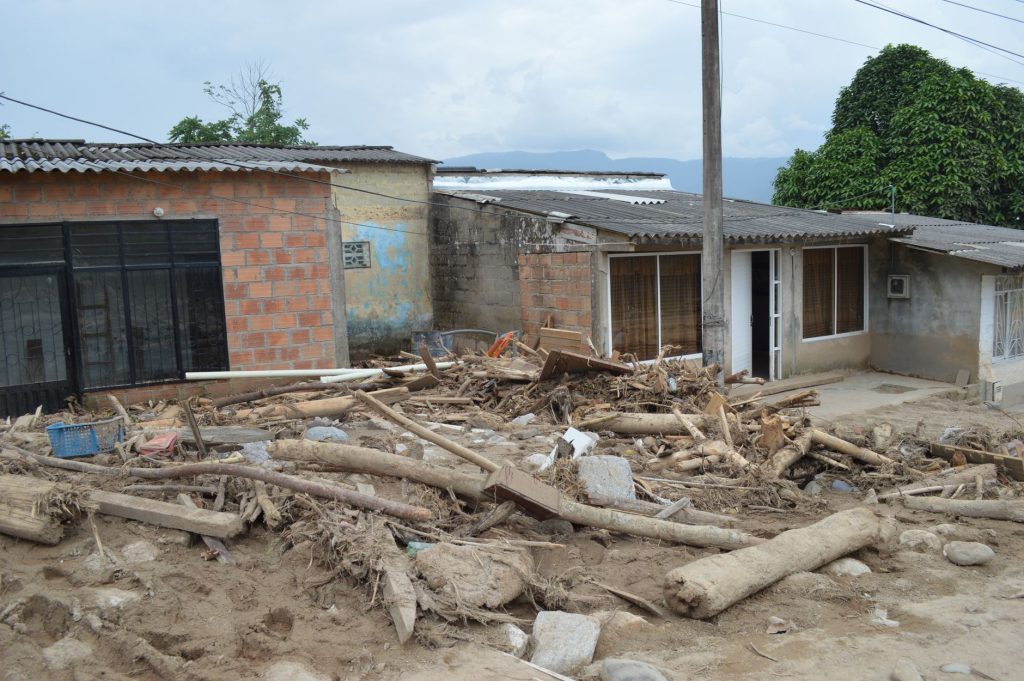
Imagine you are in the midst of a busy day, perhaps sipping a cup of chai at a street stall or rushing to catch a train, when suddenly the ground beneath you begins to shake violently. This is the terrifying reality that many people in Colombia faced recently, as a devastating earthquake struck the country, leaving a trail of destruction and chaos in its wake.
The quake, which measured a significant magnitude, resulted in the loss of at least 69 lives, with many more injured and displaced. The disaster has sent shockwaves around the world, with many countries offering their condolences and support to the people of Colombia. As the news of the earthquake spread, it brought back memories of similar disasters that have affected India in the past, such as the Gujarat earthquake of 2001, which claimed thousands of lives.
Understanding the Earthquake
To understand the impact of the earthquake, it’s essential to look at the geography of Colombia. The country is located in a seismically active region, prone to earthquakes due to its position near the boundary between the Nazca and South American tectonic plates. This unique geography makes Colombia vulnerable to earthquakes, which can occur without warning, catching people off guard. The recent earthquake is a stark reminder of the importance of disaster preparedness and the need for countries to have robust emergency response systems in place.
The earthquake has also highlighted the importance of building codes and construction standards in earthquake-prone areas. Many of the buildings that collapsed in Colombia were found to be non-compliant with existing building codes, which exacerbated the damage. This is a critical lesson for India, where building codes are often flouted, and construction standards can be lax. The Indian government has been working to strengthen building codes and enforcement, but more needs to be done to ensure that buildings can withstand earthquakes and other natural disasters.
Humanitarian Response
The international community has come together to support Colombia in the aftermath of the earthquake. Countries such as the United States, Spain, and Brazil have offered humanitarian aid, including search and rescue teams, medical supplies, and food. The Colombian government has also launched a relief effort, with the military and emergency services working to reach affected areas and provide assistance to those in need. The response has been hampered by the remote location of some of the affected areas, which has made it difficult for rescue teams to reach them.
The Indian government has also offered its support to Colombia, with the Prime Minister expressing condolences to the people of Colombia and offering assistance. This is a welcome gesture, given the strong ties between India and Colombia. India has a significant diaspora community in Colombia, and many Indian companies have business interests in the country. The earthquake has also raised concerns about the safety of Indian nationals living in Colombia, and the Indian government has advised citizens to exercise caution and follow local instructions.
Looking Ahead
As the people of Colombia begin the long process of recovery and rebuilding, it’s essential to look at the broader implications of the earthquake. The disaster has highlighted the importance of disaster preparedness and the need for countries to have robust emergency response systems in place. It has also underscored the importance of international cooperation and solidarity in the face of natural disasters. India, with its own experience of dealing with earthquakes and other natural disasters, can play a significant role in supporting Colombia’s relief efforts and sharing its expertise in disaster management.
The earthquake has also raised questions about the role of climate change in exacerbating natural disasters. While the link between climate change and earthquakes is still a topic of debate, it’s clear that climate change is increasing the frequency and severity of natural disasters. This makes it essential for countries to take proactive steps to mitigate the impact of climate change and reduce their vulnerability to natural disasters. India, with its vulnerability to climate change, needs to take a leadership role in this effort, both domestically and internationally.
In conclusion, the earthquake in Colombia is a sobering reminder of the power of nature and the importance of disaster preparedness. As India looks to support Colombia’s relief efforts, it’s essential to remember that the threat of earthquakes and other natural disasters is ever-present. By learning from the experiences of other countries and taking proactive steps to mitigate the impact of natural disasters, India can reduce its vulnerability and build a safer, more resilient future for its citizens.