
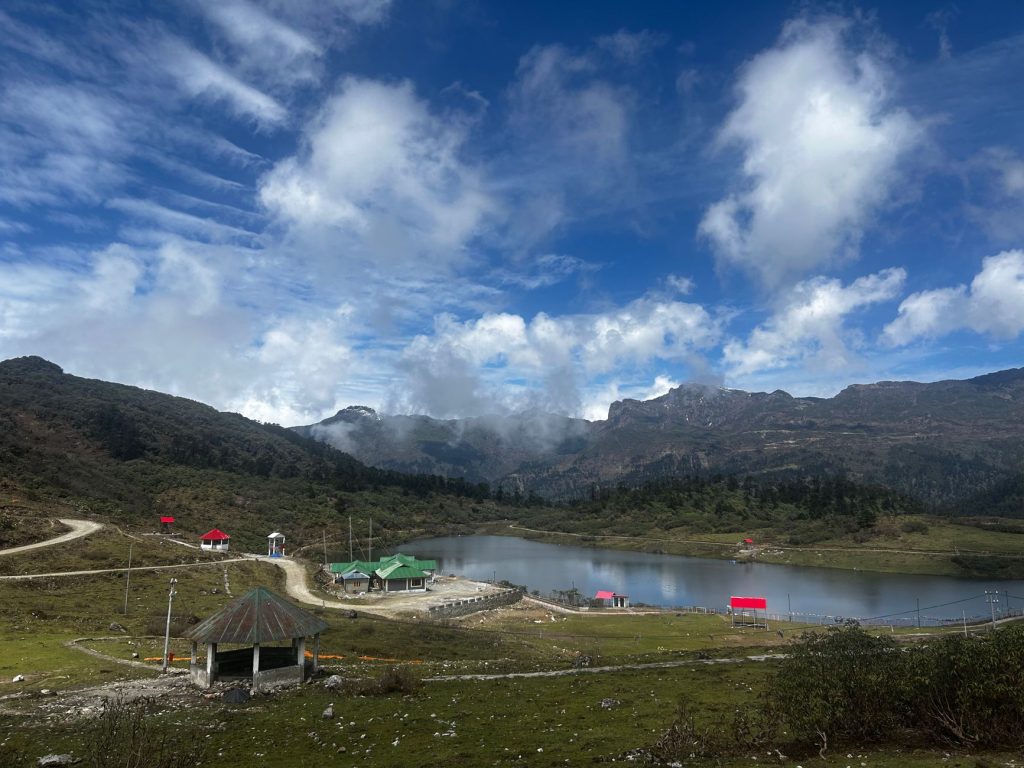
Are China’s claims on Arunachal Pradesh getting more aggressive by the day? The answer is a resounding yes. In recent times, Beijing has been making headlines for its bold statements on the sensitive border dispute. The latest salvo came in the form of a statement from the Chinese Foreign Ministry, where it claimed that the naming of places in Arunachal Pradesh is a sensitive issue for China.
The statement was seen as a direct challenge to India’s sovereignty over the region, which has been a long-standing point of contention between the two nations. But India has hit back at China’s claims, calling them an ‘alienable part’ of its territory. The Ministry of External Affairs (MEA) issued a statement that made it clear India will not compromise on its territorial integrity.
What’s the History Behind the Naming Dispute?
The naming dispute between India and China dates back to the 1960s, when the Chinese government started objecting to the Indian government’s naming of places in the region. The Chinese claimed that the names were a reference to their own historical and cultural heritage, but India maintained that the names were a part of its own history and culture.
Over the years, the dispute has escalated, with both countries accusing each other of encroaching on their territory. The Chinese have been particularly aggressive in their claims, with Beijing even going so far as to announce that it considers Arunachal Pradesh to be part of its own territory.
What’s Behind China’s Aggressive Stance?
So, what’s driving China’s aggressive stance on the naming dispute? One reason could be Beijing’s increasing assertiveness on the international stage. China has been making waves in the region, with its Belt and Road Initiative (BRI) and its claims on the South China Sea.
But another reason could be the growing concern about China’s influence in India’s northeastern states. The Indian government has been keen to strengthen ties with its northeastern states, which have historically been vulnerable to Chinese aggression. By making bold statements on the naming dispute, China may be trying to send a message to India that it will not back down on its claims.
What’s Next in the Naming Dispute?
So, what’s next in the naming dispute? The Indian government has made it clear that it will not compromise on its territorial integrity, but China’s aggressive stance suggests that the dispute is far from over. The Indian government may have to take a tougher stance on the issue, with possible diplomatic or economic measures being considered.
One thing is certain, however – the naming dispute has the potential to escalate into a full-blown crisis between India and China. And that’s a scenario that neither country wants to see.
So, what’s the way forward? Only time will tell, but one thing is certain – the naming dispute will continue to be a major point of contention between India and China for years to come.
India’s sovereignty over Arunachal Pradesh is a non-negotiable issue, and the government will not compromise on it. But China’s aggressive stance on the issue suggests that the dispute is far from over. The Indian government may have to take a tougher stance on the issue, with possible diplomatic or economic measures being considered.
Only time will tell how the dispute will play out, but one thing is certain – the stakes are high, and the consequences of failure will be severe.
So, the naming dispute between India and China is a complex issue with deep historical and cultural roots. It’s an issue that requires a nuanced approach, with both countries needing to work together to find a mutually acceptable solution.
But for now, it’s clear that the dispute is far from over. The Indian government has made it clear that it will not compromise on its territorial integrity, but China’s aggressive stance suggests that the dispute will continue to be a major point of contention between the two nations.
The naming dispute has the potential to escalate into a full-blown crisis between India and China, and that’s a scenario that neither country wants to see.