
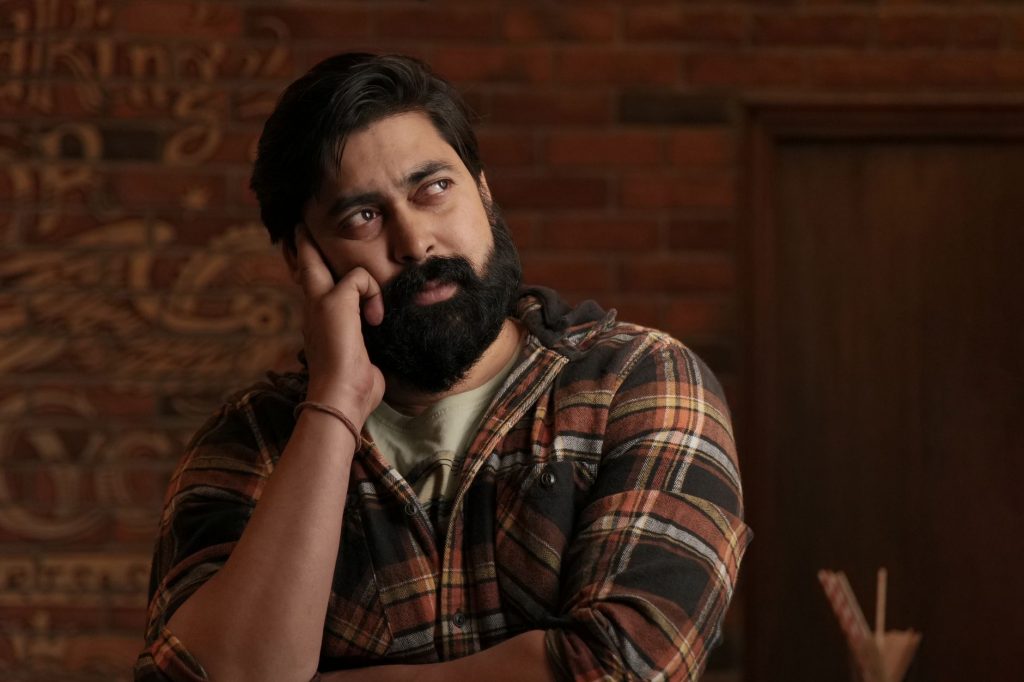
Renowned Telugu film star Chiranjeevi has expressed his optimism about the future of the film industry, stating that audiences will flock to theaters for quality content. This statement comes at a time when the film industry is facing a slump, with many blaming the rise of streaming platforms for the decline in theater attendance.
Chiranjeevi’s comments are significant because they highlight the importance of content in driving viewership. He believes that if the content is good, people will come to theaters to watch it, regardless of the alternatives available. This is a vote of confidence for the film industry, which has been struggling to adapt to the changing viewing habits of audiences.
The State of the Film Industry
The Telugu film industry, also known as Tollywood, has been facing a tough time lately. With the rise of streaming platforms, many viewers have opted to stay home and watch movies on their devices rather than going to theaters. This has resulted in a decline in theater attendance, which has had a ripple effect on the entire industry. Many films have failed to perform well at the box office, leading to financial losses for producers and investors.
However, Chiranjeevi’s comments suggest that the problem is not with the audience, but with the content being produced. He believes that if the films are engaging and of high quality, people will come to theaters to watch them. This is a challenge to the film industry to up its game and produce content that resonates with audiences.
The Importance of Quality Content
Chiranjeevi’s emphasis on quality content is not just a vague statement. It is a call to action for the film industry to focus on producing movies that are meaningful, engaging, and entertaining. This means investing in good scripts, talented actors, and skilled directors. It also means taking risks and experimenting with new ideas and genres, rather than relying on tried and tested formulas.
The success of recent Telugu films such as Pushpa: The Rise and RRR is a testament to the power of quality content. These films have not only performed well at the box office but have also received critical acclaim and won numerous awards. They have shown that with the right combination of storytelling, acting, and direction, it is possible to produce films that resonate with audiences and leave a lasting impact.
What Happens Next
So, what happens next? Will the film industry take Chiranjeevi’s comments to heart and focus on producing quality content? Only time will tell. However, one thing is certain – the audience is waiting for good films, and if the industry can deliver, they will come to theaters to watch them. The onus is now on the filmmakers to rise to the challenge and produce movies that are worthy of the audience’s attention.
In the meantime, Chiranjeevi’s comments have sparked a debate about the state of the film industry and the importance of quality content. It has also highlighted the need for the industry to adapt to changing viewing habits and to find new ways to engage with audiences. As the industry navigates these challenges, one thing is clear – the future of Tollywood depends on its ability to produce films that resonate with audiences and leave a lasting impact.
The film industry is not just about entertainment; it is also a significant contributor to the economy. The success of the industry has a ripple effect on the entire economy, creating jobs and generating revenue. Therefore, it is essential for the industry to thrive, and Chiranjeevi’s comments are a timely reminder of the importance of quality content in driving this success.
In conclusion, Chiranjeevi’s comments are a wake-up call for the film industry to focus on producing quality content. The audience is waiting, and it is up to the industry to deliver. With the right combination of storytelling, acting, and direction, it is possible to produce films that resonate with audiences and leave a lasting impact. The future of Tollywood depends on it, and the industry must rise to the challenge to produce films that are worthy of the audience’s attention.