
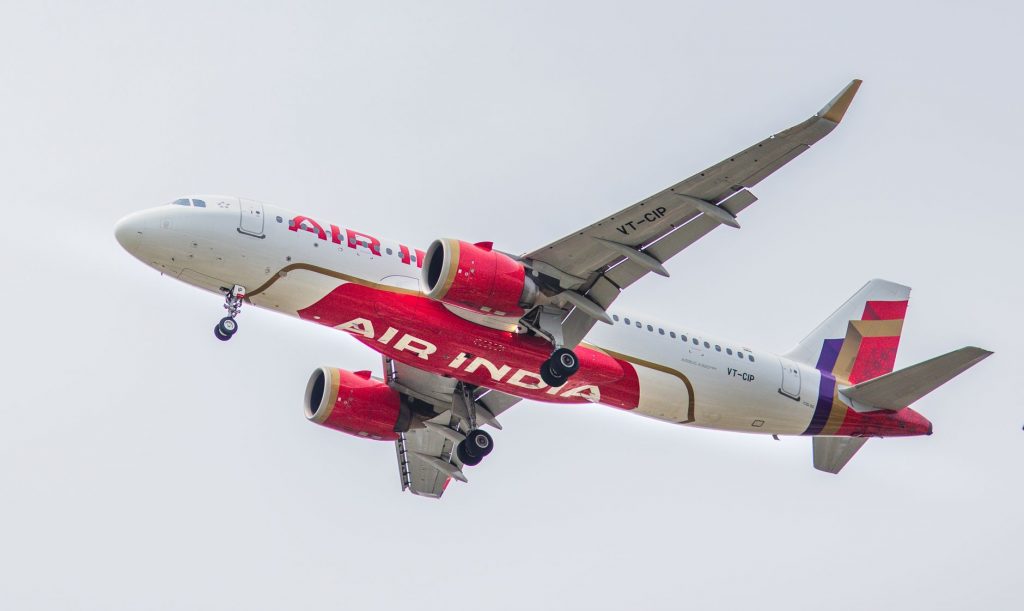
You’re probably wondering what really happened when an Air India plane made an emergency landing in Phuket, Thailand. The official story was that the plane hit ‘turbulence’, but is that the whole truth? A closer look at the documents reveals a different side to the story.
Air India has always been one of India’s most iconic airlines, but recent incidents have raised concerns about the safety of the planes it operates. The Phuket incident, which occurred in 2018, was just one of several mishaps that have been attributed to ‘turbulence’. But are we being told the whole truth?
What Exactly Happened in Phuket?
According to reports, the Air India plane, which was carrying over 180 passengers, experienced a sudden loss of altitude while flying over the Thai island. The pilots then declared a Mayday call, indicating a life-threatening emergency, and made an emergency landing at Phuket International Airport. But what caused the plane to lose altitude in the first place?
The documents, which were accessed by news agencies, suggest that the plane’s altitude loss was not due to turbulence, but rather a series of technical failures. It appears that the plane’s engines were malfunctioning, leading to a loss of power and a subsequent loss of altitude.
The documents also reveal that Air India officials knew about the engine problems, but chose not to reveal them to the passengers or the media. This raises serious questions about the airline’s commitment to safety and transparency.
Engine Failures: A Pattern of Behavior?
But the Phuket incident is not an isolated case. Several other Air India planes have experienced engine failures in recent years, leading to emergency landings and even accidents. The common thread in these incidents is the airline’s failure to disclose the true nature of the problems.
It’s clear that Air India has a pattern of behavior when it comes to engine failures. The airline seems to be downplaying the severity of the problems, attributing them to ‘turbulence’ or other external factors. But the documents reveal a different story – one of technical failures and a lack of transparency.
This is not just a matter of Air India’s reputation; it’s also a matter of safety. When passengers are not informed about the true nature of the problems, they are not able to take necessary precautions to protect themselves. This can lead to serious consequences, including injury or even death.
What’s Next for Air India?
The revelations in the documents are a serious blow to Air India’s reputation. The airline has a long way to go to regain the trust of its passengers and the public at large. To start with, Air India needs to be more transparent about the problems it faces, including engine failures.
The airline should also take concrete steps to address the technical issues, including regular maintenance and inspections. This will not only ensure the safety of passengers but also restore confidence in the airline’s ability to operate safely.
Ultimately, the Phuket incident and the revelations in the documents are a wake-up call for Air India. It’s time for the airline to take responsibility for its actions and commit to transparency and safety. The safety of passengers depends on it.