
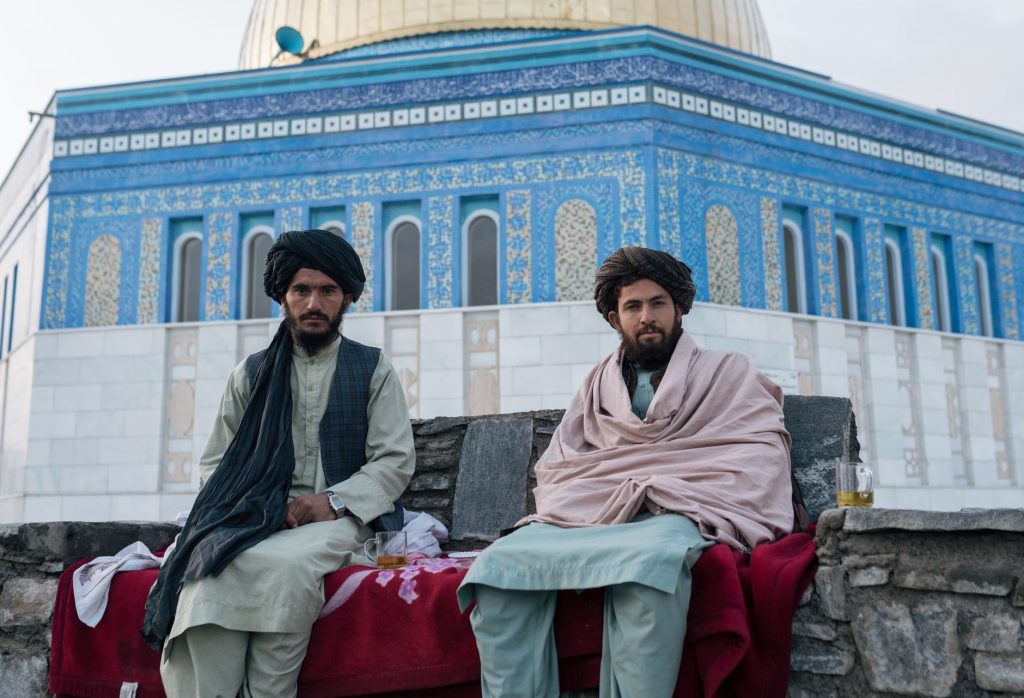
A Familiar Story of Struggle and Survival
As we go about our daily lives in India, there are many who face struggles and hardships. But for the people of Afghanistan, life has been a never-ending battle for survival. Five years ago, the Taliban took control of the country, promising a return to the old ways. But as we mark the anniversary of their hard-line rule, it’s clear that their journey has been far from smooth.
For many Afghans, life under the Taliban means living in fear. Women are denied basic rights, and those who dare to speak out against the regime risk imprisonment or even death. The economy is in shambles, and the country is plagued by poverty and hunger. It’s a bleak picture, and one that has left many wondering if the Taliban’s rule will ever bring stability and prosperity to Afghanistan.
Taliban’s Crisis at Home and Abroad
The Taliban’s troubles are not limited to their own country. Internationally, they face growing opposition and criticism. The United States, in particular, has been vocal in its condemnation of the Taliban’s human rights abuses and their refusal to allow foreign aid to reach the Afghan people. Even their erstwhile ally, Pakistan, has begun to distance itself from the Taliban, citing concerns over their increasing radicalism.
The Taliban’s struggles are also reflected in their own ranks. Infighting and power struggles have become increasingly common, with different factions vying for control. This has led to a decline in morale and a loss of confidence among the Taliban’s fighters. It’s a far cry from the days when they were a unified force, determined to bring order and stability to Afghanistan.
Despite these challenges, the Taliban remains in power, albeit precariously. But their grip on Afghanistan is weakening, and it’s only a matter of time before they are forced to confront the reality of their situation. The question on everyone’s mind is: what happens next?
Expert Analysis: Understanding the Taliban’s Crisis
Dr. Amjed Jaan, a leading expert on South Asian politics, offers some insight into the Taliban’s troubles. ‘The Taliban’s biggest mistake was underestimating the resilience of the Afghan people,’ he says. ‘They thought they could impose their will on the country and that people would accept it. But the truth is, the Afghan people have always been resistant to foreign influence, and the Taliban’s hard-line rule has only served to fuel their resentment.’
Dr. Jaan also points out that the Taliban’s isolationism has made them increasingly irrelevant on the global stage. ‘The world is changing fast, and the Taliban’s refusal to adapt has put them at a disadvantage. They need to learn to engage with the international community and find ways to address the concerns of the Afghan people if they want to stay in power.’
As we mark the anniversary of the Taliban’s hard-line rule, it’s clear that their journey has been far from smooth. They face crisis at home and abroad, and their grip on Afghanistan is weakening. But what happens next is anyone’s guess. Will they be able to turn things around, or will their troubles ultimately lead to their downfall? Only time will tell.