
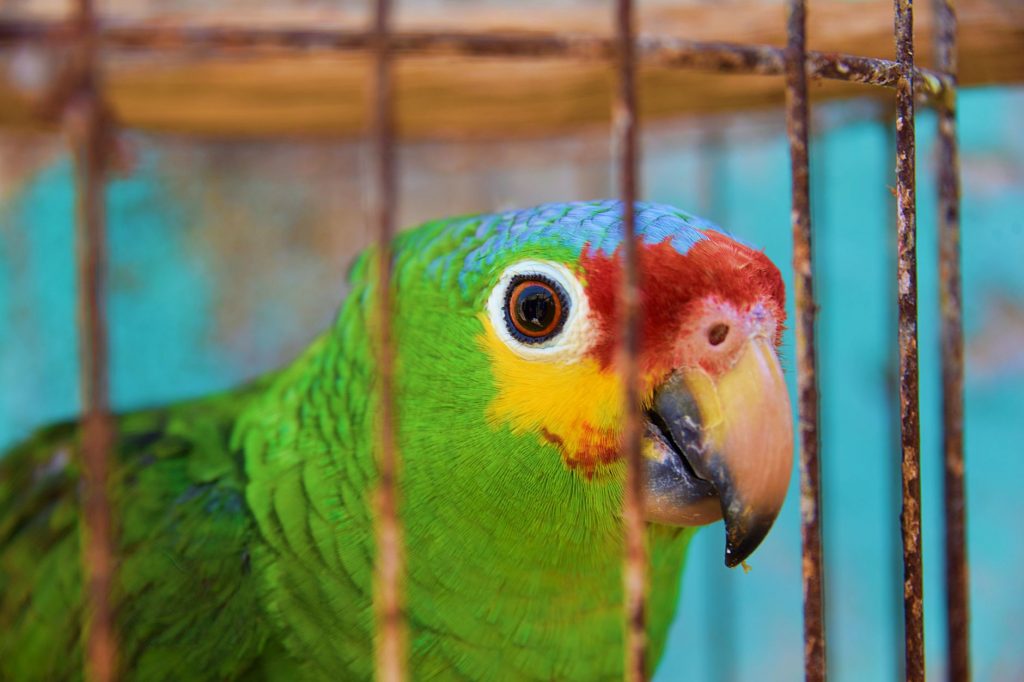
A recent video featuring Tamil actor Vikram with a gibbon has thrown a harsh spotlight on India’s booming, and largely unchecked, exotic pet trade. What might seem like a celebrity owning a rare animal is actually a symptom of a much larger, illegal industry that is rapidly outgrowing the government’s ability to regulate it.
The Hidden Dangers of the Illegal Trade
The trade in exotic animals, from colourful parrots and venomous snakes to primates like gibbons, is a multi-crore illegal business operating under the radar. These animals are often smuggled into the country, facing horrific conditions during transit, with many dying before they even reach their buyers. The demand for these unusual pets is fueled by a desire for status and a misguided fascination with the wild, leading to the exploitation of countless creatures. This practice not only endangers the animals themselves but also poses significant risks to public health through potential zoonotic diseases and can disrupt local ecosystems if these non-native species escape or are released.
Why Our Laws Are Falling Short
Despite existing laws like the Wildlife Protection Act, 1972, which prohibits the trade of most native and many exotic wild animals, enforcement remains a major challenge. The sheer volume of the trade, coupled with the difficulty in tracking online sales and international smuggling routes, means that many offenders go unpunished. Authorities often struggle with limited resources and expertise to identify and intercept these exotic animals, making the current legal framework appear weak against the sophisticated network of smugglers and traders.
The incident involving actor Vikram, while bringing attention, also highlights the need for greater public awareness and stricter penalties. Owning or trading in such animals, even if unknowingly acquired, can have severe legal consequences. Experts emphasize that the focus must shift from merely identifying celebrity involvement to dismantling the entire illegal supply chain and educating the public about the ethical and ecological implications of keeping exotic pets.
Moving forward, the government needs to strengthen its enforcement mechanisms, potentially by increasing surveillance on online platforms and at borders. International cooperation will also be crucial in curbing the cross-border smuggling of these animals. Ultimately, a sustained public awareness campaign is essential to curb the demand that fuels this dangerous and unethical trade. Until then, the law will continue to play catch-up with the ever-expanding world of exotic pets in India.