
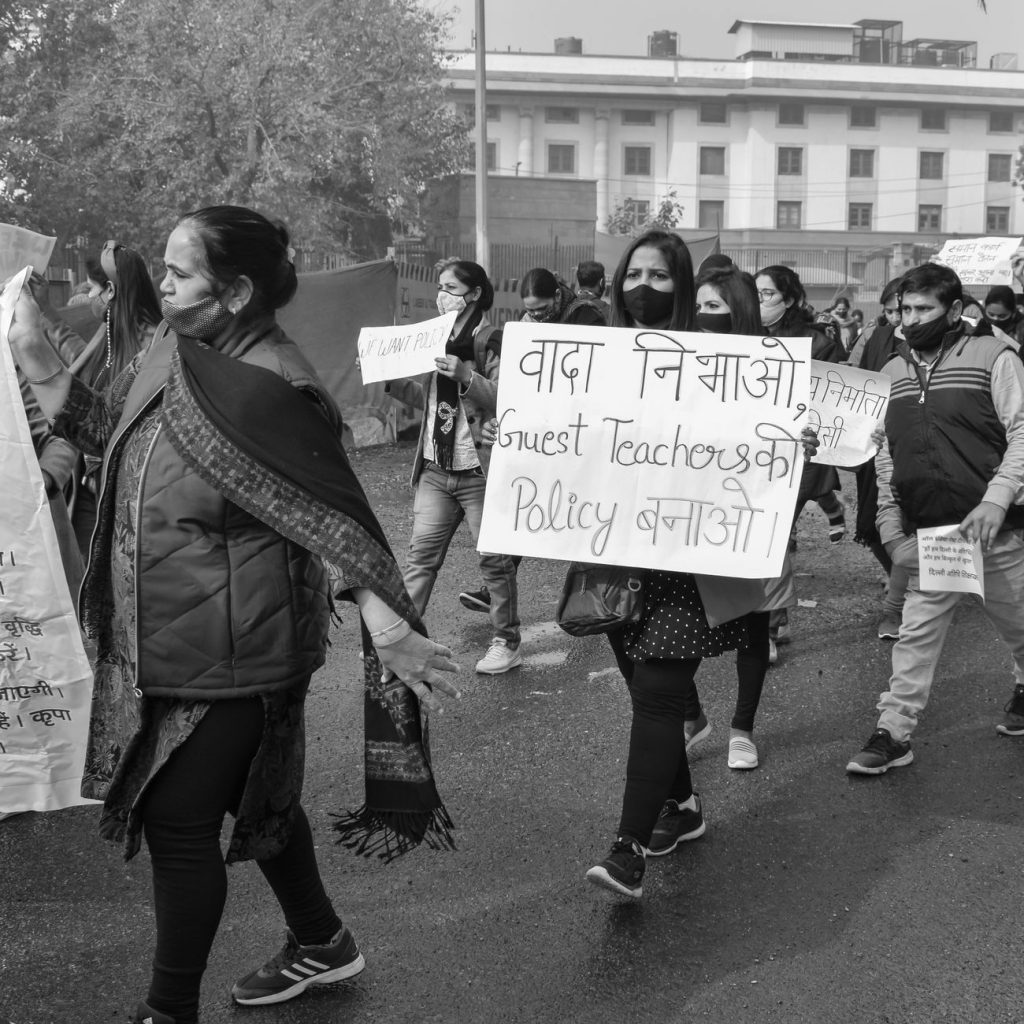
A heated controversy has erupted at the National Law School of India University (NLSIU) in Bengaluru, where students are protesting against the presence of the Chief Justice of India, Justice Surya Kant, and the Bar Council of India Chairman, MR Shamshad Beg, at the university’s convocation ceremony.
The students are objecting to the two dignitaries attending the event, citing the recent controversy surrounding the National Academy of Legal Studies and Research (NALSAR) Hyderabad, which had sparked a nationwide debate about the appointment of its Vice-Chancellor.
Why the Protest Matters
The NALSAR controversy, which saw the Vice-Chancellor’s appointment being questioned, has highlighted the need for transparency and accountability in the appointment of key officials in India’s premier law schools. The protest by NLSIU students is a reflection of this growing concern, and it has sparked a wider debate about the role of the judiciary and the bar in ensuring that these institutions operate with integrity and transparency.
The students argue that the presence of Justice Surya Kant and MR Shamshad Beg at the convocation ceremony is an attempt to whitewash the controversy and silence dissenting voices. They claim that the two dignitaries are being used to intimidate and muzzle students who are fighting for accountability and transparency in the legal education system.
NALSAR Row and the BCI
The NALSAR row has also raised questions about the role of the Bar Council of India (BCI), which is responsible for regulating the legal profession in India. The BCI has come under criticism for its handling of the NALSAR controversy, with many accusing it of protecting its own interests and those of the legal establishment.
The protest by NLSIU students is a blow to the BCI’s reputation, and it has highlighted the need for greater accountability and transparency in the way it regulates the legal profession. The students are demanding that the BCI take action against those responsible for the NALSAR controversy and ensure that no similar incident occurs in the future.
The convocation ceremony was scheduled to take place on a certain date, but the students’ protest has put a spanner in the works. The university authorities have not yet confirmed whether the ceremony will go ahead as planned, but it is likely that the event will be postponed or cancelled in light of the controversy.
The NLSIU students’ protest is a significant development in the ongoing debate about the need for greater accountability and transparency in India’s premier law schools. It highlights the growing concern among students and faculty about the role of the judiciary and the bar in ensuring that these institutions operate with integrity and transparency.
What’s Next?
The future course of action is uncertain, but one thing is clear: the NLSIU students’ protest has sparked a wider debate about the need for greater accountability and transparency in India’s legal education system. The controversy is likely to continue, and it will be interesting to see how the university authorities, the judiciary, and the BCI respond to the students’ demands.