
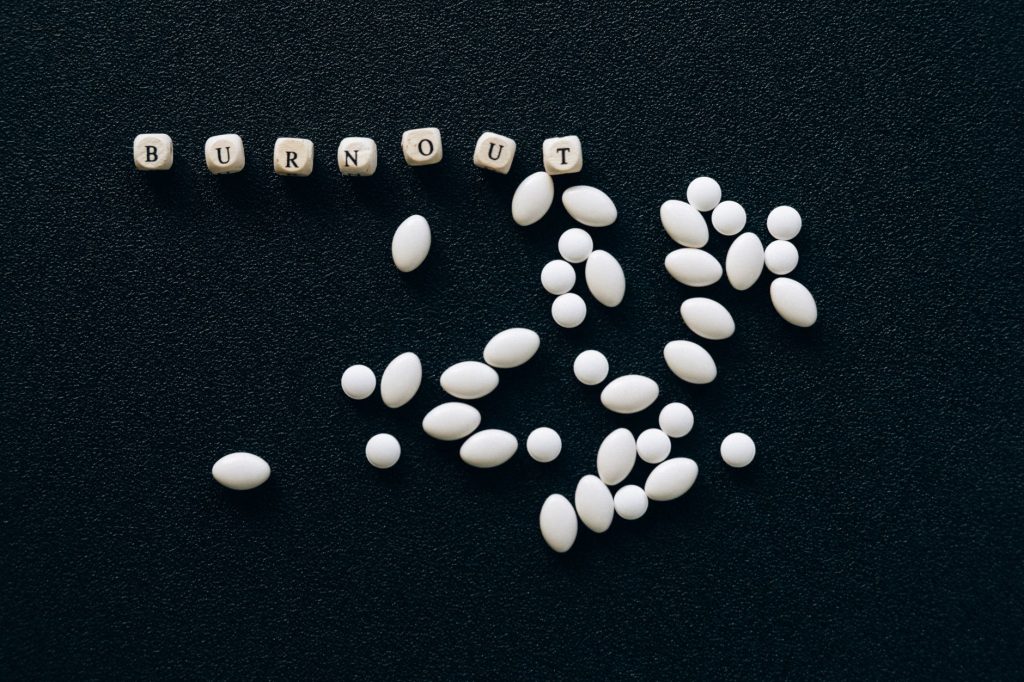
Imagine walking down a street in India and seeing someone who appears to be in a trance-like state, unresponsive to their surroundings. This is a scenario that has become all too familiar in recent times, with the rise of a mysterious ‘zombie drug’ that has been making headlines. The drug in question is pregabalin, a medication that is typically used to treat epilepsy, anxiety, and nerve pain. However, its misuse has led to a growing concern among Indians, with many taking to social media to share their own experiences and warnings about the drug’s dangers.
What is Pregabalin?
Pregabalin is a prescription medication that belongs to a class of drugs known as anticonvulsants. It works by reducing the abnormal electrical activity in the brain that can cause seizures and other conditions. While it can be an effective treatment for certain medical conditions, its misuse can have serious consequences. In recent times, there have been reports of people using pregabalin as a recreational drug, often in combination with other substances. This has led to a growing number of cases of people experiencing adverse reactions, including drowsiness, confusion, and even coma.
In India, the misuse of pregabalin has become a major concern, with many states reporting cases of people addicted to the drug. The problem is particularly acute in rural areas, where access to healthcare and rehabilitation services may be limited. In these areas, the drug is often readily available, and its misuse can have devastating consequences for individuals and communities. The Indian government has taken steps to address the issue, including tightening regulations on the sale and distribution of pregabalin. However, more needs to be done to raise awareness about the dangers of the drug and to provide support to those who are struggling with addiction.
The Rajasthan Connection
Recently, a viral video emerged that appeared to show people in Punjab under the influence of pregabalin. However, it has since been revealed that the video was actually shot in Rajasthan, not Punjab. The video sparked widespread concern and outrage, with many calling for greater action to be taken to address the issue of pregabalin misuse. While the video may have been misattributed to the wrong state, it highlights the growing problem of pregabalin addiction in India. In Rajasthan, the problem is particularly acute, with many cases of people experiencing adverse reactions to the drug.
Experts say that the misuse of pregabalin is often linked to a lack of awareness about the drug’s dangers. Many people may not realize that pregabalin can be addictive, or that it can have serious side effects when used in combination with other substances. To address this issue, there needs to be a greater emphasis on education and awareness-raising. This can involve working with healthcare professionals, community leaders, and social media influencers to spread the word about the dangers of pregabalin misuse. Additionally, there needs to be greater support for those who are struggling with addiction, including access to rehabilitation services and counseling.
What Happens Next?
As the problem of pregabalin misuse continues to grow in India, it is clear that more needs to be done to address the issue. This includes increasing awareness about the dangers of the drug, as well as providing support to those who are struggling with addiction. The Indian government has a critical role to play in this effort, including tightening regulations on the sale and distribution of pregabalin and providing greater funding for rehabilitation services. Additionally, there needs to be a greater emphasis on community-based initiatives, including education and awareness-raising programs. By working together, we can reduce the misuse of pregabalin and help to create a safer, healthier India.
In conclusion, the issue of pregabalin misuse is a complex and multifaceted one that requires a comprehensive response. It is not just a matter of addressing the symptoms of addiction, but also of addressing the underlying causes, including poverty, lack of education, and limited access to healthcare. By working together, we can create a brighter future for India, one that is free from the dangers of pregabalin misuse. The time to act is now, and we must all play our part in raising awareness about this critical issue and supporting those who are struggling with addiction.