
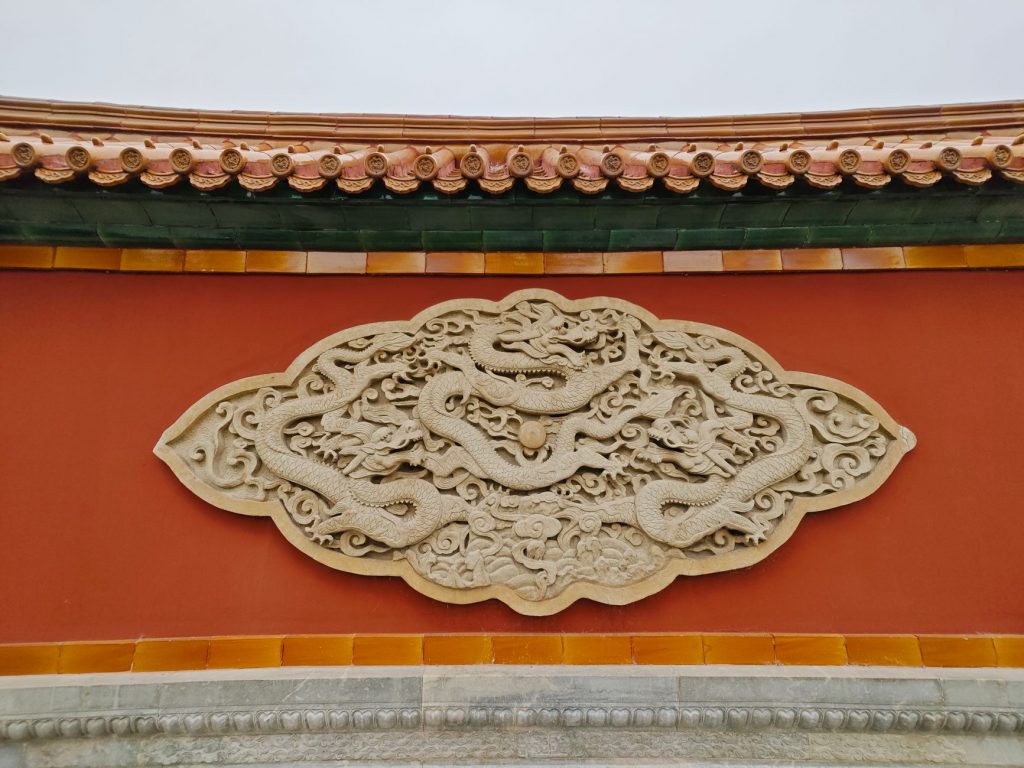
Did you know that the fancy food we sometimes see from China, the kind with elaborate presentations and special ingredients, has roots going back centuries to the Emperor’s own dining halls? It’s true! China’s imperial cuisine, which was once a symbol of power and luxury reserved for royalty and their guests, is still enjoyed today, blending ancient traditions with modern tastes.
A Taste of History
For thousands of years, China was ruled by emperors, and their kitchens were places of incredible skill and innovation. These were not ordinary cooks; they were masters who prepared dishes using the finest ingredients sourced from all over the empire. The preparation and serving of these meals were also highly ritualistic, with specific rules about which dishes were served, how they were arranged, and even the order in which they were eaten. This wasn’t just about filling stomachs; it was a performance, a display of the Emperor’s wealth and status. Think of it like a grand feast, but with strict rules and incredibly rare ingredients.
Imperial Flavours Today
While we don’t have emperors ruling China anymore, the legacy of their cuisine lives on. Many of the techniques and recipes developed in those imperial kitchens have been passed down through generations. Restaurants and chefs, both in China and around the world, now recreate these historical dishes. They often adapt them slightly to suit modern palates, but they aim to capture the essence of that royal dining experience. You might find dishes that use ingredients like bird’s nest soup or specific types of mushrooms, all part of that rich imperial heritage. It’s a way for people to connect with China’s past through its food.
This evolution means that what was once exclusive to the Emperor is now accessible to many. It’s a fascinating journey from the closed-off world of the imperial palace to the bustling restaurants and home kitchens of today. Chefs are also experimenting, trying to find new ways to present these historical flavours, sometimes blending them with other culinary styles. This ensures that imperial cuisine doesn’t just remain a museum piece but continues to be a vibrant and evolving part of Chinese food culture.