
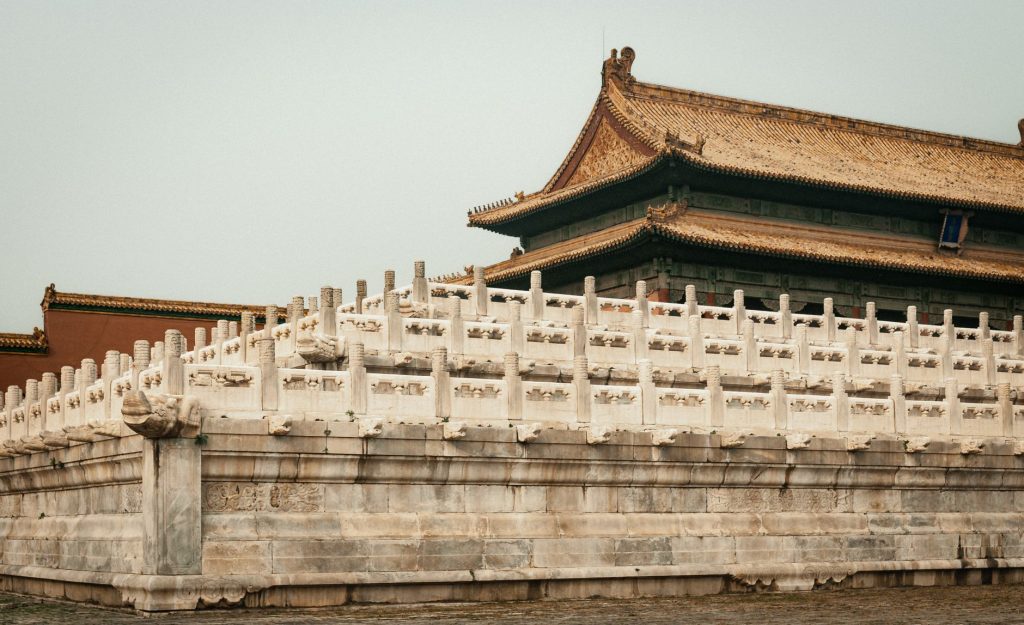
Imagine food so elaborate it was fit for emperors, a culinary art steeped in centuries of courtly tradition. This isn’t just history; China’s imperial cuisine, once reserved for the highest echelons of power, is experiencing a vibrant revival, offering a taste of a bygone era to diners worldwide.
From Palace Kitchens to Modern Tables
For dynasties, food was more than sustenance; it was a symbol of status, power, and intricate ritual. The imperial kitchens were a world unto themselves, employing legions of chefs dedicated to crafting dishes that were visually stunning and gastronomically complex. Ingredients were sourced from across the vast empire, and preparation methods were meticulously documented, often reflecting philosophical beliefs and seasonal changes. Think delicate dumplings shaped like phoenix feathers, or elaborate multi-course banquets designed to impress visiting dignitaries. These weren’t just meals; they were performances.
A Taste of Legacy
Today, dedicated chefs and culinary historians are working to preserve and reinterpret these ancient recipes. They are delving into old texts, experimenting with traditional techniques, and sourcing authentic ingredients to bring the flavours of the imperial past back to life. This revival isn’t about rigid adherence to the past; it’s about understanding the philosophy and artistry behind these dishes and adapting them for contemporary palates. You might find a modern twist on a classic imperial dish, or a restaurant dedicated to recreating the full imperial dining experience.
What’s in it for India?
For us in India, this trend offers a fascinating parallel. Our own rich culinary heritage, from royal kitchens of the Mughals to regional delicacies, also holds immense stories and flavours waiting to be rediscovered. The Chinese imperial cuisine revival serves as an inspiration, reminding us of the importance of preserving our own food traditions and perhaps even exploring them with renewed vigour. It’s an opportunity to appreciate the deep cultural significance of food and the artistry that can be achieved, influencing how we might view and celebrate our own gastronomic legacy.