
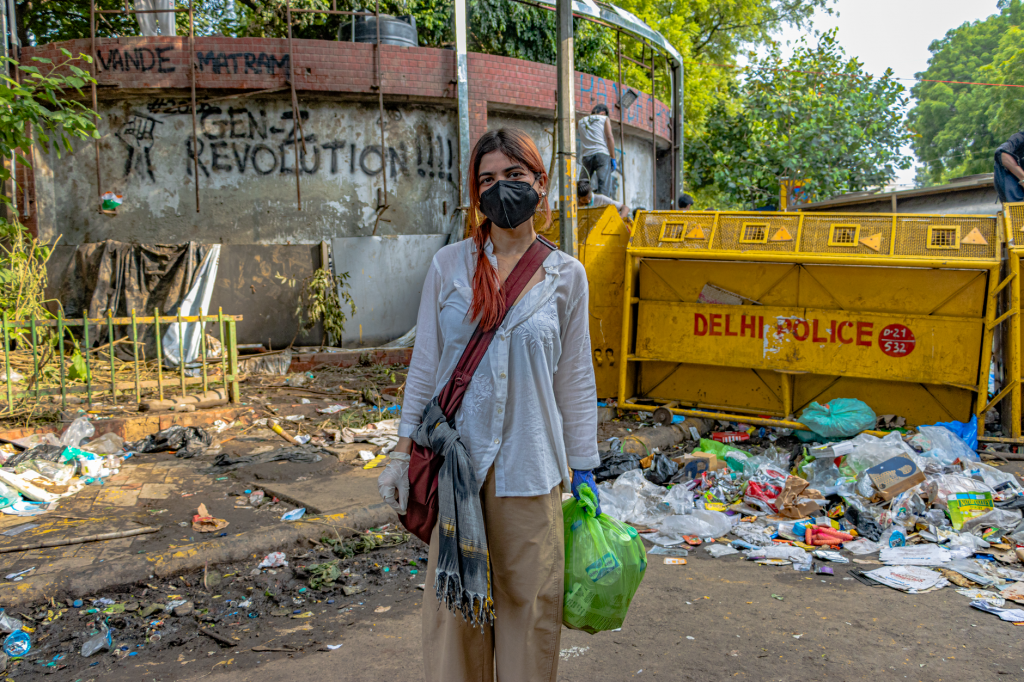
Is the new generation’s defiant ‘We are Gen Z’ a modern-day equivalent of the old-school ‘Jaantey nahi mera baap kaun hai?’ That’s the viral question sparking debate, and none other than former Jammu and Kashmir Chief Minister Omar Abdullah has weighed in, finding a striking parallel.
The Viral Spark
A video has taken the internet by storm, showcasing young individuals asserting their identity with a bold ‘We are Gen Z.’ This phrase, delivered with a certain swagger, has resonated with many, while others have drawn a direct comparison to the classic, often arrogant, boast of familial connections used to intimidate or gain favour: ‘Do you know who my father is?’ The juxtaposition highlights a perceived shift in how power and influence are asserted across generations.
Abdullah’s Take: A Generational Shift?
Omar Abdullah, a seasoned politician who has witnessed India’s evolving social and political landscape, offered his perspective on this viral phenomenon. He suggested that the Gen Z’s declaration is, in essence, a contemporary version of the older generation’s reliance on inherited status or influence. While the former relies on collective identity and a sense of belonging to a demographic cohort, the latter leverages individual connections and perceived clout. Abdullah’s observation points to a fundamental difference in how young people today define themselves and their place in the world, moving away from traditional hierarchies.
Beyond the Boast: What Does it Mean?
This viral moment isn’t just about catchy phrases; it’s a snapshot of changing societal dynamics. The ‘We are Gen Z’ sentiment suggests a generation that is more self-assured, digitally connected, and perhaps less inclined to rely on established power structures. They are defining their own narratives, emphasizing their shared experiences and aspirations. Conversely, the ‘Jaantey nahi mera baap kaun hai’ attitude represents a bygone era of nepotism and favouritism, where lineage and connections often trumped merit. The contrast is stark and speaks volumes about the generational divide.
The Future is Now
The debate sparked by this viral video and Abdullah’s commentary underscores a broader conversation about generational values, aspirations, and the assertion of identity in India. As Gen Z increasingly enters the workforce and public sphere, their unique approach to self-definition and influence will undoubtedly shape the future. Whether this new assertion of identity leads to genuine change or simply a new form of ‘boasting’ remains to be seen, but it’s clear that the generational baton is being passed, and with it, new ways of making one’s voice heard.