
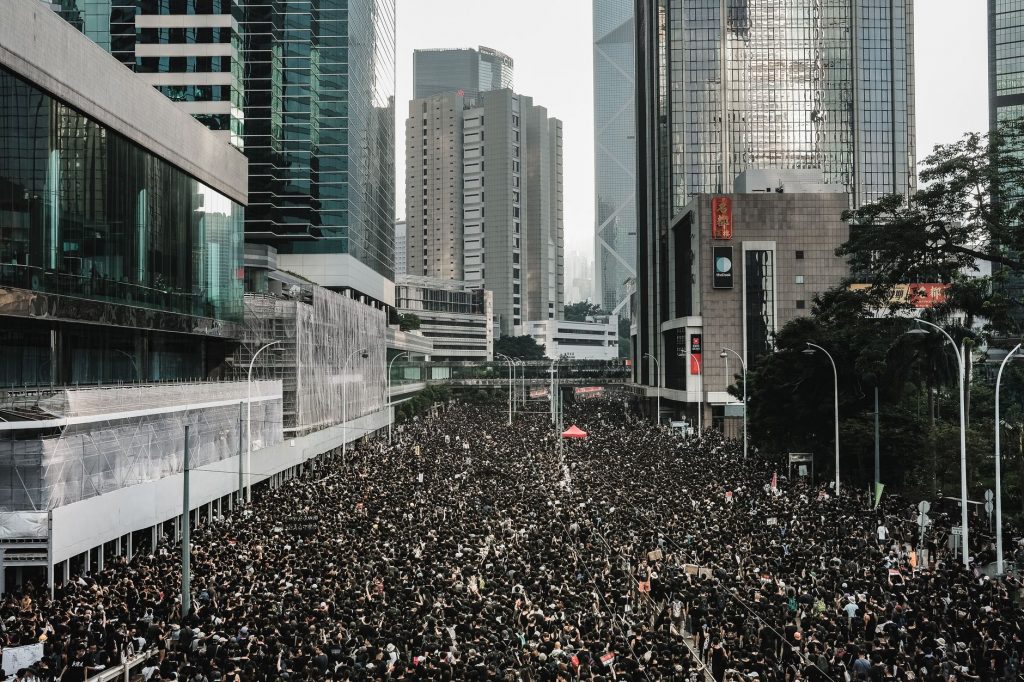
In a landmark ruling that sends shockwaves across Asia, three prominent Hong Kong activists have been convicted under the stringent national security law, marking a significant blow to dissent in the city. The trio were found guilty of inciting subversion of state power, a charge directly linked to their alleged roles in commemorating the 1989 Tiananmen Square crackdown.
A Crackdown on Remembrance
The verdict against Chow Hang-tung, Gwyneth Ho, and Albert Ho highlights the far-reaching impact of Beijing’s national security legislation, imposed on Hong Kong in 2020. Prosecutors argued that their actions, particularly organizing public gatherings and sharing information related to the Tiananmen massacre, aimed to undermine the authority of the Chinese Communist Party. The trial focused on their alleged incitement to subvert state power, effectively criminalizing acts that were once considered routine expressions of remembrance and political opinion in Hong Kong.
The Tiananmen Shadow Looms Large
For decades, Hong Kong was a unique bastion where public commemorations of the Tiananmen Square protests, including vigils and rallies, were openly held. This tradition was brutally curtailed following the imposition of the national security law, which Beijing claims is necessary to restore stability. Critics, however, argue it’s a tool to silence opposition and erase historical narratives deemed inconvenient by the mainland government. The conviction of these activists signals a new era where even symbolic acts of defiance carry severe legal consequences.
Implications for India and Beyond
This development holds significant implications for India and its neighbors. The tightening grip on freedoms in Hong Kong serves as a stark reminder of the challenges faced by democracies when confronting authoritarian expansion. For Indians, it underscores the importance of safeguarding democratic values and freedom of expression. The case also raises questions about the future of international activism and the potential for similar national security laws to be used to suppress dissent in other regions. The global community is watching closely to see how this will shape future geopolitical dynamics and human rights advocacy.