
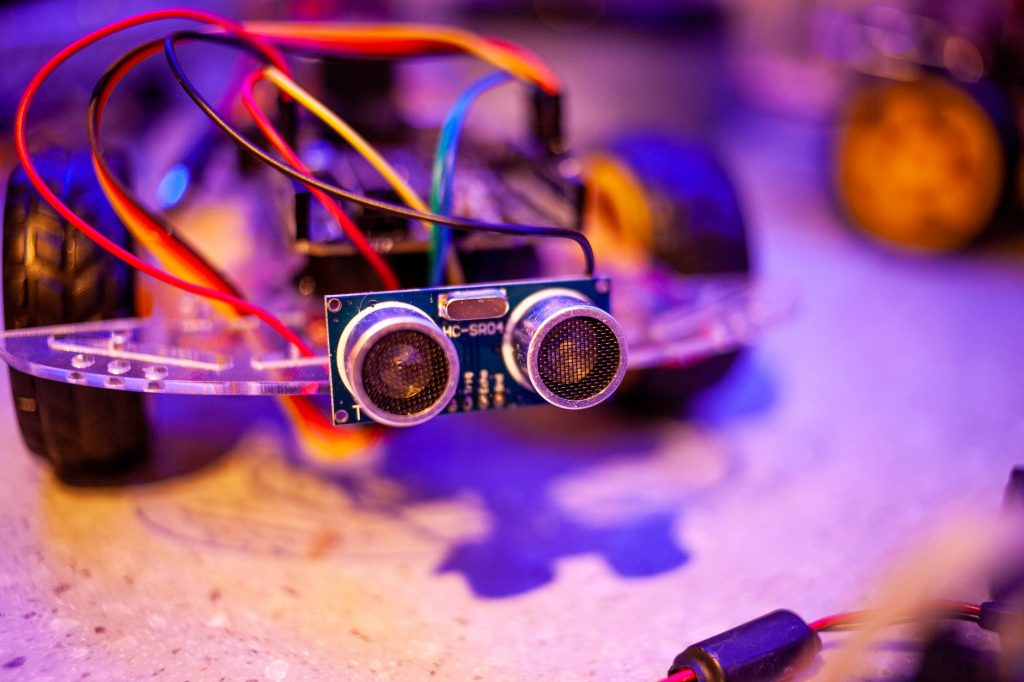
So, here’s the latest buzz from the tech world, and it’s not exactly good news for our homegrown AI dreams. Turns out, getting visas to China has become a major headache for folks at Indian startups focused on building physical AI products. We’re talking about the companies that actually make the robots, the smart devices, the hardware – the tangible stuff that brings AI to life. Getting components and expertise from China, which is a global hub for manufacturing, is now a serious challenge.
Why This is a Big Deal for India
Now, you might be thinking, ‘What’s the big fuss?’ Well, here’s the lowdown. India has been making some serious strides in the AI space, and a lot of that innovation happens at the hardware level. These startups are crucial for building the next generation of smart manufacturing, advanced robotics, and even cutting-edge medical devices. But here’s the catch: a lot of the specialized components, manufacturing know-how, and even skilled technicians they might need are readily available or easier to access in China. When getting a visa turns into a marathon, it directly impacts their ability to get these essential pieces of the puzzle. This isn’t just about a few delayed shipments; it’s about potentially slowing down innovation and production right here in India.
Supply Chain Snags and Future Worries
The ripple effect is already being felt. Startups are facing longer lead times for crucial parts, which means their product development timelines are getting pushed back. Some might even be forced to look for alternative, potentially more expensive or less efficient, suppliers outside of China. This also puts a damper on their ability to scale up production quickly. Imagine a brilliant new AI-powered robot ready to roll out, but it’s stuck in limbo because the necessary chips or specialised machinery can’t be sourced in time. It’s a frustrating situation for entrepreneurs who are already navigating a complex and competitive landscape.
This whole visa situation is a stark reminder of how interconnected the global supply chain is, especially for high-tech industries. While India is pushing for ‘Make in India’ and self-reliance, the reality is that global collaboration and access to international expertise and components are still vital. For our physical AI startups, this isn’t just about a bureaucratic hurdle; it’s a potential roadblock to their growth and a challenge to India’s ambitions in the global AI hardware race. The hope is that diplomatic channels can smooth things out soon, so these innovative Indian companies can get back to building the future without unnecessary delays.