
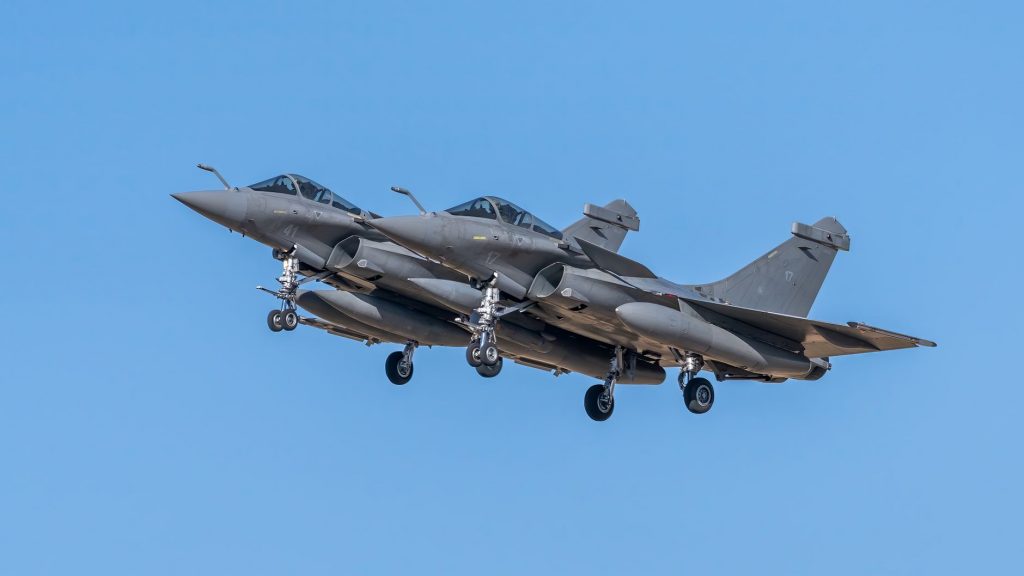
Imagine a future where our fighter jets are not just fast and powerful, but also smarter, capable of talking to each other, and even controlling drone swarms. This isn’t science fiction anymore; it’s the direction the world’s air forces are heading with ‘sixth-generation’ fighter jets. Now, think about India being right at the heart of developing this cutting-edge technology, working alongside a major global player like France.
India’s Ambitious Leap in Aerospace
Our country is making serious moves to become a key partner in France’s ambitious project to create its next-generation fighter aircraft. This isn’t just about buying advanced planes; it’s about India getting a seat at the design and development table. Officials have been in talks, signalling a strong desire from India to collaborate on what’s being called the ‘Future Combat Air System’ (FCAS) – a program led by France’s Dassault Aviation, the makers of our current Rafale jets.
More Than Just Buying: A Partnership for the Future
Why is this so important? For years, India has been a buyer of advanced defence equipment. But this move signals a shift towards becoming a creator and collaborator. By joining the FCAS program, India aims to gain access to the latest aerospace technologies, learn from one of the world’s leading defence manufacturers, and potentially co-develop systems that can be adapted for our specific needs. This partnership could mean Indian engineers and scientists working alongside their French counterparts on everything from advanced avionics and AI integration to next-gen weaponry.
What This Means for India’s Defence Prowess
Experts believe that such a collaboration would significantly boost India’s indigenous defence manufacturing capabilities and its overall strategic autonomy. It’s a stepping stone towards India designing and building its own advanced fighter jets in the future, reducing reliance on foreign suppliers. This also aligns with Prime Minister Narendra Modi’s ‘Make in India’ and ‘Atmanirbhar Bharat’ (self-reliant India) initiatives, pushing for greater self-sufficiency in critical sectors like defence. The potential for joint production and technology transfer could also create high-skilled jobs and foster innovation within India’s aerospace industry.