
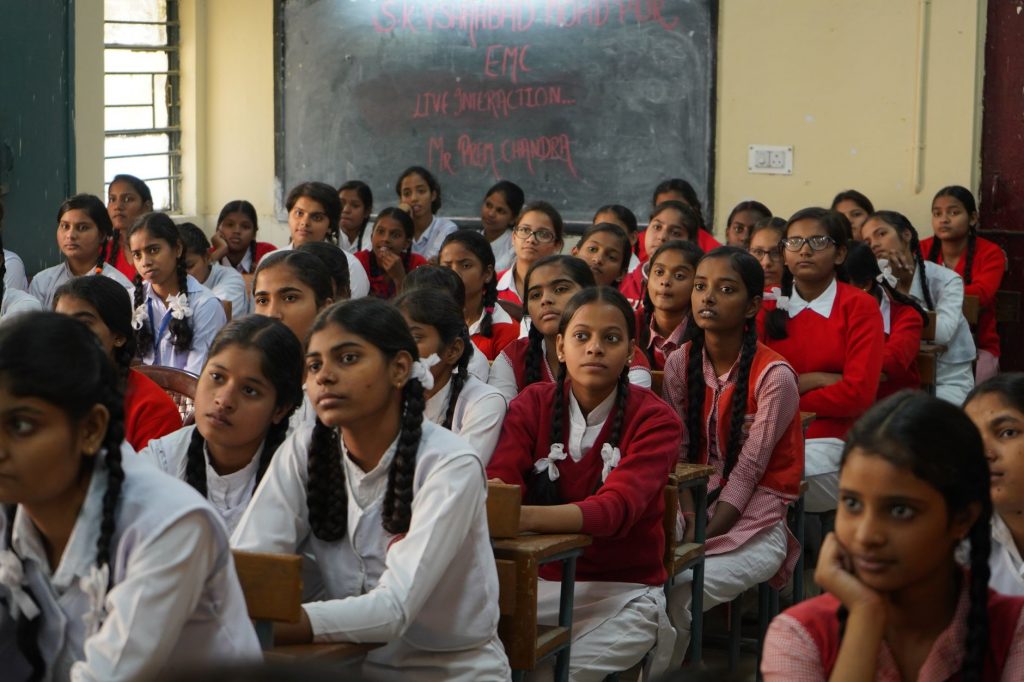
Across India, a new generation is voicing its discontent with the state of school education, and their protests are strikingly in sync with a recent government report highlighting significant lacunae in the system. From classrooms struggling with outdated infrastructure to a curriculum that often fails to ignite curiosity, the concerns of these young students are becoming impossible to ignore. This isn’t just about a few unhappy children; it’s a widespread reflection of systemic challenges that have long been on the radar but have seen slow progress.
The Echo of Discontent
The nationwide stir among Generation Alpha, the cohort born roughly between 2010 and 2024, is a powerful testament to the growing awareness of educational disparities. Their grievances, articulated through social media campaigns, school walkouts, and even parental advocacy, point towards issues like overcrowded classrooms, a lack of adequate learning resources, and teaching methods that often prioritize rote memorization over critical thinking. These aren’t abstract complaints; they are the lived experiences of students navigating a system that, according to a recent government assessment, is falling short in crucial areas, particularly in foundational literacy and numeracy.
Bridging the Gap: What the Report Reveals
The government’s own findings, released not long ago, paint a sobering picture. The report meticulously details significant learning gaps, especially evident in government schools and rural areas. It underscores a critical need for better teacher training, more engaging pedagogical approaches, and a robust assessment framework that moves beyond superficial testing. The report’s emphasis on the importance of early childhood education and the development of essential 21st-century skills aligns precisely with the demands being voiced by Gen Alpha. Their protests serve as a stark reminder that the recommendations within these official documents must translate into tangible action on the ground.
The implications of these educational shortcomings are far-reaching. A generation that doesn’t receive a strong foundational education is less likely to thrive in higher education, the job market, and ultimately, contribute fully to the nation’s progress. The digital divide further exacerbates these issues, with access to quality online learning resources remaining a privilege for many. The current situation demands an urgent and comprehensive overhaul, moving beyond incremental changes to a fundamental re-imagining of how we educate our future citizens.
The ongoing dialogue between the concerns of young students and the findings of official reports sets the stage for crucial policy discussions. The coming months will likely see increased pressure on educational bodies and policymakers to address these critical issues head-on. The hope is that this convergence of student voice and governmental acknowledgment will finally catalyze the necessary reforms to ensure that every child in India receives the quality education they deserve, equipping them to face the challenges and opportunities of the future.