
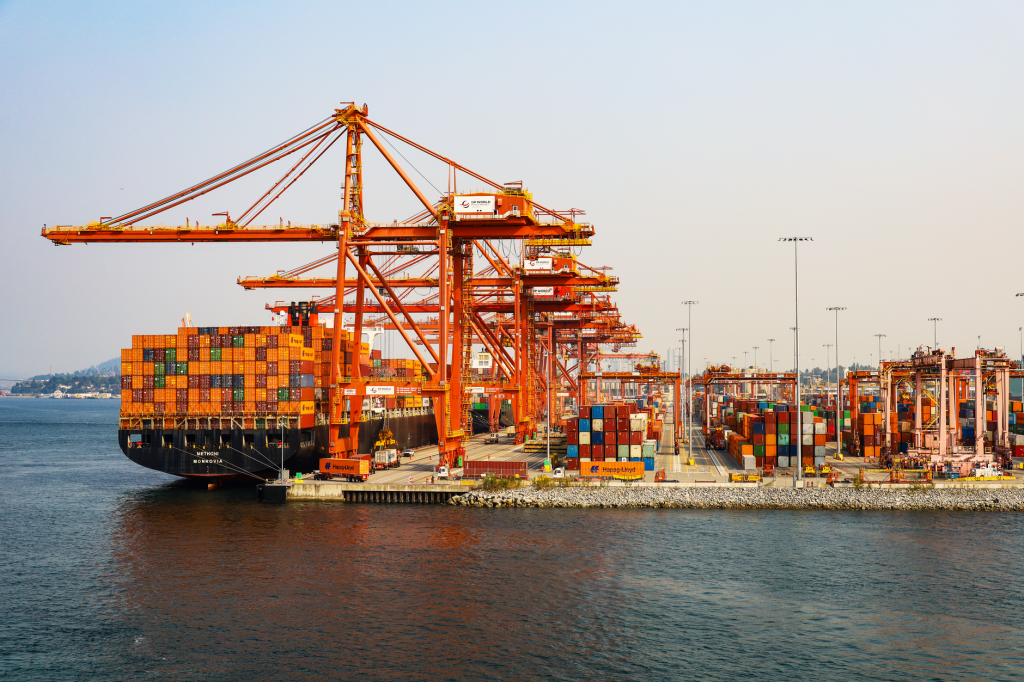
Imagine your favourite chaiwala suddenly deciding to charge double for your morning cuppa, and then your neighbour’s roadside stall starts selling it even cheaper! That’s a bit like what’s been happening between the US and Canada, two of the world’s biggest trading buddies. The big shocker? The US, under President Trump, decided to slap hefty taxes, called tariffs, on Canadian goods like steel and aluminium. This wasn’t just a small disagreement; it was a full-blown trade fight that could affect millions of people, even here in India.
Why the Big Fight?
So, what caused this neighbourly spat? The US government argued that Canada wasn’t playing fair. They claimed that Canada was sending too much of its steel and aluminium into the US market, making it tough for American companies to compete. Think of it like this: if too many cars from one factory flood the market, the prices might drop, hurting other car makers. The US felt their own industries were being harmed and decided to put a brake on Canadian imports by adding these extra taxes. Canada, naturally, wasn’t happy and hit back by imposing its own taxes on American products, like whiskey and ketchup – things many of us might enjoy!
The Negotiation Maze
This whole tariff drama wasn’t a simple case of ‘you tax me, I tax you’. It became a long, complicated negotiation. Both countries sat down at the table, trying to figure out a way to sort things out. They talked about quotas, which are like limits on how much of a product can be imported, and different trade rules. The goal was to find a middle ground that would satisfy both sides and prevent their economies from suffering further. It was a bit like a tug-of-war, with each side pulling hard to get what they wanted, but also knowing that a complete breakdown would hurt everyone.
What’s in it for India?
Now, you might be wondering, how does this US-Canada trade war affect us here in India? Well, when two major economies like the US and Canada get into a trade fight, it can send ripples across the globe. For Indian businesses that export goods to the US or Canada, there could be changes. If Canadian goods become more expensive in the US, Indian companies might find it easier to sell their similar products there. On the flip side, if the US economy slows down due to these trade disputes, it could mean less demand for goods from all over the world, including India. Plus, global trade deals are like a house of cards; if one part is shaken, the whole structure can become unstable, impacting our own trade relationships and economic growth.